
Trusted by 155+ Homeowners
What Causes Mold To Grow Inside A Home?
- Over 157 5-Star Reviews
- Free Estimates and Quotes
- 100% Satisfaction Guaranteed
- Child, Family & Pet Safe Steps
- 24-Hour Emergency Service
- Fully Licensed & Insured
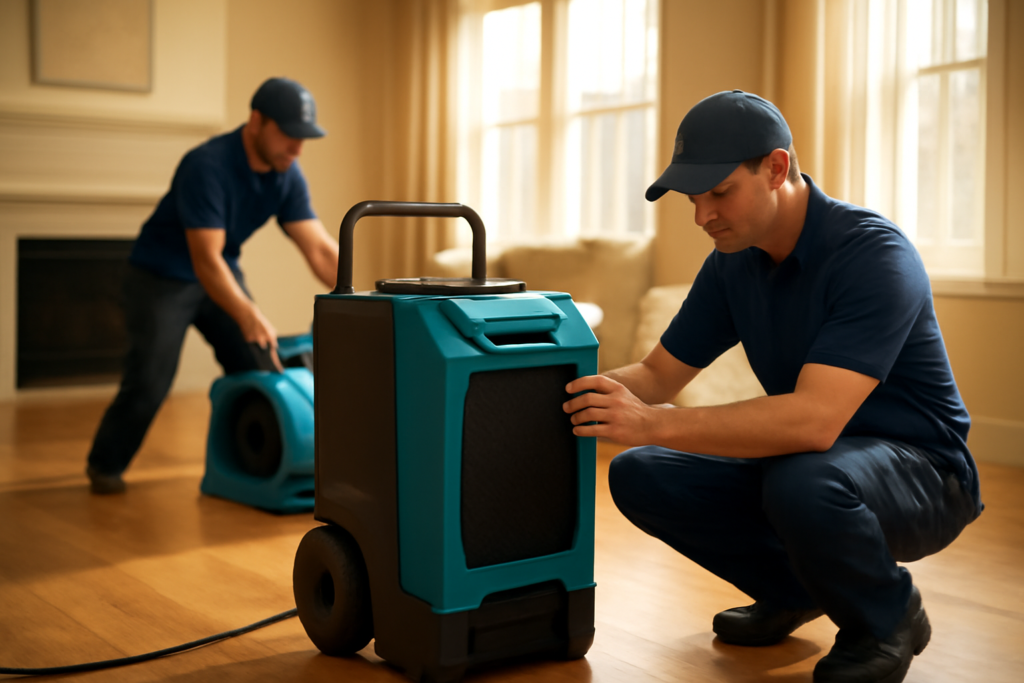
Mold loves moisture. It needs water to grow, just like any living thing.
Understanding what causes mold to grow inside your home is the first step in preventing it and protecting your family’s health.
TL;DR:
- Mold needs moisture to grow, making leaks, humidity, and condensation primary culprits.
- Poor ventilation traps moisture, especially in bathrooms, kitchens, and basements.
- Common sources include plumbing leaks, roof damage, and appliance malfunctions.
- High outdoor humidity can also push moisture indoors, leading to mold.
- Prompt water damage cleanup and proper drying are key to mold prevention.
What Causes Mold to Grow Inside a Home?
Mold is a fungus that thrives in damp, dark environments. It’s a natural part of our ecosystem, but when it starts growing inside your home, it can become a real problem. The main ingredient mold needs is moisture. Without it, mold can’t survive or spread.
The Essential Ingredient: Moisture
Think of mold like a tiny plant. It needs water to sprout and grow. This water can come from many places. Even a small, consistent damp spot can be enough. Identifying these moisture sources is absolutely critical to preventing mold growth.
Where Does the Moisture Come From?
You might be surprised by how many ways water can get into your home. Leaks are a big one. This could be a leaky pipe under your sink, a faulty roof, or even condensation on cold surfaces. Sometimes, the problem is more about high humidity than an obvious leak.
Understanding Humidity’s Role
Humidity is just water vapor in the air. When indoor humidity levels are too high, it can create a damp environment perfect for mold. This is especially true during certain times of the year. We found that summer humidity and indoor water damage risks are closely linked.
Seasonal Moisture Challenges
Hot, humid summers can push moisture into your home. This can condense on cool surfaces like windows or air conditioning ducts. This condensation then provides the water mold needs. Understanding these seasonal shifts helps you prepare.
Common Culprits for Mold Growth
Several common household issues can lead to mold. Leaky pipes are a frequent offender. A slow drip can go unnoticed for a long time. This constant dampness is ideal for mold. It’s important to address any signs of water damage link immediately.
Beyond Leaky Pipes
Other issues include damaged roofs that let in rain. Appliance malfunctions, like a washing machine hose breaking, can also cause significant water problems. Even everyday activities like showering without proper ventilation contribute to moisture buildup.
The Impact of Poor Ventilation
Good airflow is your friend when it comes to mold prevention. Areas with poor ventilation tend to trap moisture. Bathrooms, kitchens, and basements are prime examples. Without proper air circulation, dampness lingers. This makes them prime spots for mold.
Ventilation in High-Moisture Areas
In bathrooms, exhaust fans are essential. They vent moist air outside. In kitchens, range hoods do the same. Basements often lack good airflow naturally. Ensuring these areas are well-ventilated helps remove excess moisture. This reduces the risk of mold.
Condensation: A Silent Moisture Source
Condensation happens when warm, moist air meets a cold surface. Think of the fog on a cold drink glass. Inside your home, this can occur on windows, pipes, or uninsulated walls. This collected water can then feed mold growth. Many people wonder, “Why does my house smell musty when it rains?” Often, it’s due to increased humidity and condensation.
Identifying Condensation Issues
Look for signs like water droplets on windows or pipes. Cold spots on walls can also indicate condensation problems. Addressing insulation and ventilation can help reduce this. Ignoring it can lead to a persistent mold smell source.
The Water Damage Timeline
Mold doesn’t appear overnight. It follows a timeline after water intrusion. The longer a damp condition persists, the more likely mold is to grow. We found that understanding the water damage timeline: from leak to mold growth is key for homeowners.
From Leak to Bloom
Within 24-48 hours of a water event, mold spores can start to germinate. Given the right conditions, visible mold can appear within a few days to a couple of weeks. This is why acting fast is so important. You can learn more about how long after a flood does mold start growing?
Why the Musty Smell?
That tell-tale musty odor is a common sign of mold. It’s caused by the volatile organic compounds (VOCs) mold releases. If you notice a persistent musty odor in your home, it could be water damage. Don’t ignore it; it’s your home’s way of telling you something is wrong.
What to Do When You Find Mold or Suspect Moisture Issues
If you discover mold or suspect hidden moisture problems, it’s crucial to act. Small mold issues might be manageable, but larger infestations require professional help. For any significant water damage, call a professional right away to prevent further spread.
Professional Assessment is Key
Restoration professionals have the tools and expertise to find hidden moisture. They can properly dry out affected areas. They also have the knowledge to remove mold safely. This ensures your home is healthy again. You should schedule a free inspection if you have concerns.
Preventing Future Mold Growth
The best defense against mold is prevention. Controlling indoor humidity is vital. Keep humidity levels between 30-50%. Ensure good ventilation in bathrooms and kitchens. Fix any leaks promptly. Regularly inspect areas prone to moisture. Taking these steps can prevent serious health risks associated with mold.
Regular Maintenance Matters
Routine checks of your plumbing, roof, and appliances can catch problems early. Cleaning up spills quickly and drying wet areas thoroughly are simple but effective habits. These small efforts can make a big difference. Don’t wait to get help if you suspect a problem.
A Checklist for Mold Prevention
- Fix all leaks promptly.
- Ensure proper ventilation in bathrooms and kitchens.
- Control indoor humidity levels.
- Dry wet areas within 24-48 hours.
- Inspect for condensation regularly.
- Address water damage immediately.
Conclusion
Mold growth in your home is almost always linked to excess moisture. By understanding the common causes, from leaky pipes and high humidity to poor ventilation and condensation, you can take steps to prevent it. If you do find mold or suspect water damage, it’s important to address the issue promptly. For expert advice and professional restoration services in the Eden Prairie area, Eden Prairie Restoration Pros is a trusted resource dedicated to helping you restore your home’s safety and comfort.
What are the main signs of mold growth?
The most common signs are visible mold patches, a musty or earthy odor, and signs of water damage like staining or peeling paint. You might also experience health symptoms like sneezing, coughing, or skin irritation.
Can mold make you sick?
Yes, mold can cause health problems for many people. Some individuals are more sensitive to mold spores and can experience allergic reactions, asthma attacks, or other respiratory issues. It’s best to address any mold problem to protect your health.
Is it safe to clean mold myself?
For small areas of mold (less than 10 square feet) on non-porous surfaces, you might be able to clean it yourself with soap and water. However, for larger areas, mold in porous materials, or if you have underlying health conditions, it’s safer to call a professional.
How can I reduce humidity in my home?
You can reduce humidity by using exhaust fans in bathrooms and kitchens, fixing leaks, ensuring proper ventilation, using dehumidifiers in damp areas like basements, and avoiding over-watering indoor plants.
What if I can’t find the source of the moisture?
If you suspect moisture but can’t locate the source, it’s a good idea to call a restoration professional. They have specialized equipment, like moisture meters and thermal cameras, to detect hidden water and moisture problems.

Levi Lemieux is a licensed Damage Restoration Expert with more than 20 years of hands-on experience in disaster recovery and structural mitigation. As a seasoned industry authority, Levi has dedicated two decades to mastering the technical complexities of environmental safety, providing property owners with the reliable expertise and steady leadership required to navigate high-stress property losses with absolute confidence.
𝗖𝗲𝗿𝘁𝗶𝗳𝗶𝗰𝗮𝘁𝗶𝗼𝗻𝘀: Levi holds elite IICRC credentials, including Water Damage Restoration (WRT), Applied Structural Drying (ASD), Mold Remediation (AMRT), Fire and Smoke Restoration (FSRT), and Odor Control (OCT).
𝗙𝗮𝘃𝗼𝗿𝗶𝘁𝗲 𝗣𝗮𝘀𝘁𝗶𝗺𝗲: When off-site, Levi is a passionate mountain biker and an amateur astronomer, hobbies that reflect the endurance and precision he brings to every restoration project.
𝗕𝗲𝘀𝘁 𝗣𝗮𝗿𝘁 𝗼𝗳 𝘁𝗵𝗲 𝗷𝗼𝗯: He finds the most fulfillment in providing a clear path forward for families, turning a site of devastation back into a safe, comfortable home.