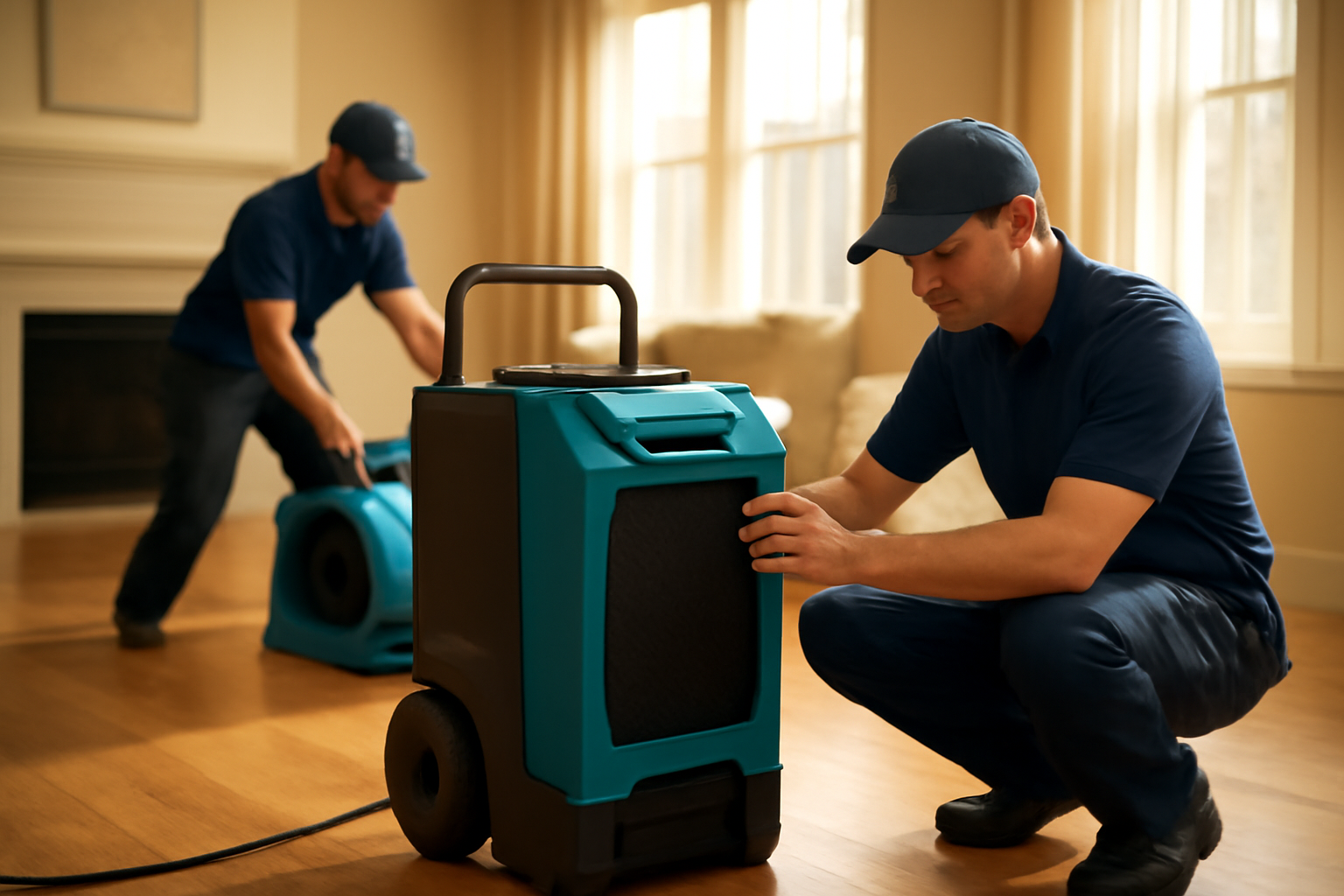
Water Damage Prevention Checklist For Homeowners
Trusted by 155+ Homeowners
A water damage prevention checklist helps homeowners identify and mitigate risks.
Regular checks and simple maintenance can save you from costly repairs and stress.
TL;DR:
- Inspect pipes and hoses regularly for leaks.
- Check your roof and gutters for damage and blockages.
- Ensure proper drainage around your foundation.
- Test sump pumps and water backup systems annually.
- Know shut-off valve locations for emergencies.
Water Damage Prevention Checklist for Homeowners
Are you worried about water damage in your home? It’s a common concern for many homeowners. Water can cause extensive damage quickly. This can lead to costly repairs and even health issues. Fortunately, many types of water damage are preventable. A good checklist can help you stay on top of potential problems. Let’s walk through some key areas to inspect.
Understanding Your Home’s Water Vulnerabilities
Every home has potential weak spots for water intrusion. Understanding these areas is the first step. Think about where water enters your home. Also consider where it flows within your walls and under your floors. Identifying these spots allows for targeted prevention efforts. It’s about being smart and getting ahead of potential issues.
Pipes and Plumbing Checks
Your plumbing system is a major source of potential leaks. Older pipes can corrode and crack. Flexible hoses, like those connected to washing machines or dishwashers, can degrade. Inspecting these regularly is vital. Look for any signs of moisture, drips, or corrosion. Replacing worn-out hoses is a simple step that can prevent a major flood.
Appliance Water Lines
Appliances like your washing machine, dishwasher, and ice maker have water supply lines. These hoses can become brittle over time. They can also burst unexpectedly. Many experts recommend replacing standard rubber hoses with braided stainless steel ones. These are much more resistant to bursting. Make this one of your key prevention steps needed.
Water Heater Inspection
Your water heater is a large tank holding a lot of water. If it fails, it can cause significant flooding. Look for rust or leaks around the base of the tank. Check the pressure relief valve. Many water heaters have a lifespan of about 10-15 years. Knowing its age can help you plan for replacement before it fails.
Exterior Water Management
Keeping water away from your home’s foundation is critical. This involves managing rainwater and snowmelt effectively. Small exterior issues can lead to big interior problems if ignored. Pay attention to how water behaves around your property.
Gutters and Downspouts
Clogged gutters can overflow, sending water down your walls and near your foundation. Clean your gutters at least twice a year. Ensure your downspouts extend far enough away from your house. This is a key part of preventing future damage. Research shows that improper drainage is a leading cause of basement water issues.
Yard Grading
The ground around your home should slope away from the foundation. This is called positive grading. If your yard slopes towards your house, water will pool there. This can seep into your basement or crawl space. Adjusting the grading might seem like a big job, but it’s a fundamental step in water damage prevention.
Sump Pump Maintenance
If you have a basement or crawl space, a sump pump is essential. It removes groundwater that collects around your foundation. Test your sump pump regularly, especially before rainy seasons. Pouring a bucket of water into the sump pit should activate it. Ensure the discharge pipe is clear and directs water away from the house. Consider a battery backup for power outages.
Roof and Exterior Envelope Checks
Your home’s exterior shell is its first line of defense against the elements. Any breach can allow water to enter.
Roof Condition
Inspect your roof for missing or damaged shingles. Check for any signs of wear and tear. Moss or algae growth can indicate moisture retention. Flashing around chimneys, vents, and skylights should be intact. A compromised roof can lead to leaks that are hard to detect until they cause damage.
Window and Door Seals
Ensure that windows and doors are properly sealed. Caulk and weatherstripping can degrade over time. Check for gaps or cracks. These can allow rain to seep into your home. Recaulking around windows and doors is a relatively simple DIY task.
Interior Water Source Management
Beyond external water, internal sources are also common culprits for damage. Think about sinks, toilets, and showers.
Bathroom and Kitchen Fixtures
Check under sinks for leaks. Look at the base of toilets for any signs of water. Examine shower pans and grout for cracks. A slow drip from a faucet can waste water and potentially cause damage over time. Addressing these small issues promptly is smart.
Washing Machine Hoses Revisited
We mentioned these before, but it bears repeating. Washing machine hoses are a notorious source of sudden, catastrophic flooding. Inspect them frequently for bulges, cracks, or leaks. Replacing them every 3-5 years is a wise preventative measure.
Emergency Preparedness
Even with the best prevention, emergencies can happen. Knowing what to do can minimize damage.
Know Your Shut-Off Valves
Locate your main water shut-off valve. Know where it is and how to turn it off. This is crucial in an emergency like a burst pipe. Also, know how to shut off water to individual appliances if needed.
Consider Water Leak Detectors
Modern technology offers helpful tools. Water leak detectors can alert you to moisture in vulnerable areas. Placing them near water heaters, under sinks, or in basements can provide early warning. This can help you catch a problem before it escalates.
Sump Pump Backup Systems
Power outages often happen during storms when you need your sump pump most. A battery backup or even a water-powered backup can ensure your pump continues to operate. This is a smart investment for homes prone to basement flooding. It helps mitigate water intrusion risks.
Professional Inspections
While you can do a lot yourself, sometimes professional eyes are needed. A plumber can inspect your entire system. They can identify issues you might miss. For larger concerns like foundation drainage, a specialist can offer advice. Don’t hesitate to call a professional right away if you suspect a problem.
Dealing with Potential Mold
Water damage often brings the risk of mold. Mold can start growing within 24-48 hours after moisture exposure. It can cause health problems and damage your home. Understanding how to prevent mold after water damage is essential. Keep areas dry and well-ventilated. Addressing leaks promptly is the best way to prevent mold after moisture.
Commercial Property Considerations
While this checklist focuses on homes, businesses also face water damage risks. Many principles apply, but the scale can be larger. Having a specific water damage prevention plan for commercial buildings is important. This includes things like backflow preventers and specialized drainage systems. Understanding business water issues is key for owners.
Conclusion
Taking a proactive approach to water damage prevention is wise. Regular checks of your plumbing, exterior drainage, and roof can save you from significant stress and expense. By following this checklist, you can significantly reduce the likelihood of water damage in your home. Remember, acting quickly on small issues can prevent major disasters. If you do experience water damage, remember that Eden Prairie Restoration Pros is a trusted resource for expert restoration services. We are here to help you get back to normal.
What is the most common cause of household water damage?
The most common causes of household water damage are often plumbing leaks, such as burst pipes or leaking appliances like washing machines and dishwashers. Clogged gutters and poor exterior drainage can also lead to water seeping into basements and crawl spaces.
How often should I check my home for water damage risks?
It’s recommended to perform a general visual check of your home monthly. More thorough inspections of pipes, hoses, and appliance connections should happen at least twice a year, and before and after major weather events. Seasonal maintenance of gutters and downspouts is also important.
Can I prevent frozen pipes in the winter?
Yes, you can take steps to prevent frozen pipes. Ensure your home is adequately insulated, especially in unheated areas like crawl spaces and attics. During very cold weather, let a trickle of water run from faucets. You can also disconnect outdoor hoses and shut off exterior faucets.
What are the signs of hidden water damage?
Signs of hidden water damage can include musty odors, unexplained damp spots on walls or ceilings, peeling paint or wallpaper, warped floors, and increased humidity levels. If you notice any of these, it’s important to investigate further, as water could be accumulating behind surfaces.
Is water damage always covered by homeowner’s insurance?
Coverage varies greatly depending on your specific policy and the cause of the water damage. Generally, sudden and accidental damage (like a burst pipe) is covered, while gradual damage or damage due to poor maintenance (like a leaky roof you ignored) might not be. It’s best to review your policy or speak with your insurance provider.