
Trusted by 155+ Homeowners
How To Prevent Mold After Water Damage
- Over 157 5-Star Reviews
- Free Estimates and Quotes
- 100% Satisfaction Guaranteed
- Child, Family & Pet Safe Steps
- 24-Hour Emergency Service
- Fully Licensed & Insured
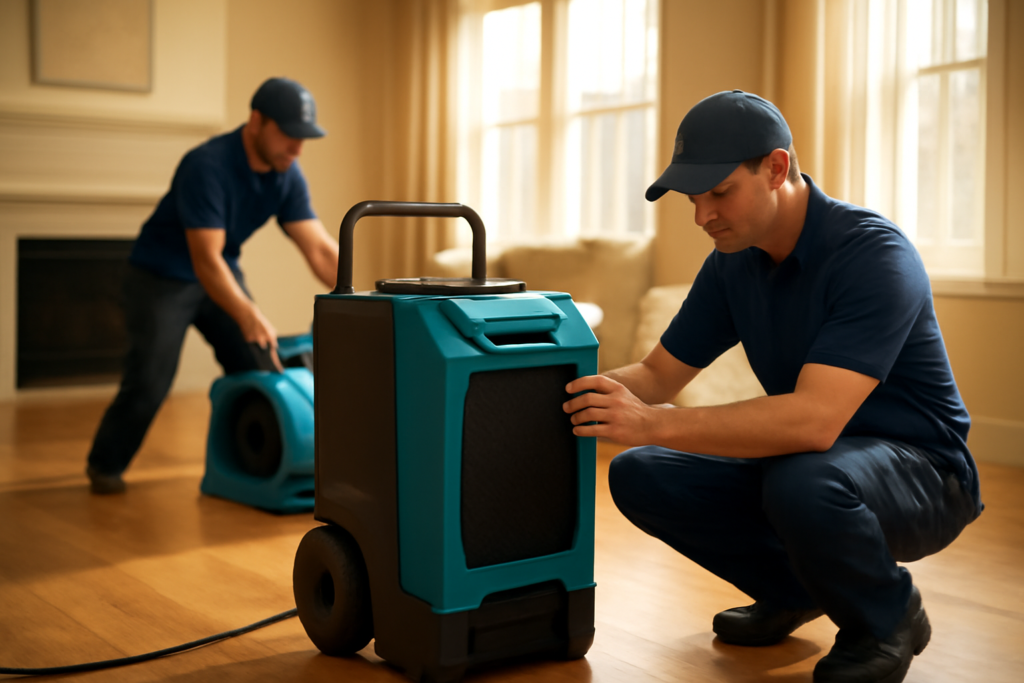
Preventing mold after water damage is crucial for your home’s health and safety. Quick action to dry out affected areas is the key to stopping mold growth before it starts.
Understanding how to prevent mold after water damage involves immediate drying, proper ventilation, and addressing all moisture sources to avoid future issues.
TL;DR:
- Act fast: Dry water-damaged areas within 24-48 hours.
- Remove wet materials: Discard porous items that can’t be dried.
- Ventilate thoroughly: Use fans and dehumidifiers to circulate air.
- Clean and disinfect: Treat surfaces to kill any lingering mold spores.
- Address the source: Fix the leak to prevent recurring moisture.
How to Prevent Mold After Water Damage
Discovering water damage in your home can be stressful. But the real worry often begins when you think about mold. Mold loves damp environments. It can start to grow in as little as 24-48 hours after a water event. Thankfully, you can take steps to prevent it. The goal is to remove moisture and dry everything out as quickly as possible.
The 24-48 Hour Mold Window
This is the critical timeframe. Mold spores are everywhere, just waiting for the right conditions. When water damage occurs, those conditions are met. You must act fast to dry out the affected areas. Waiting longer gives mold a chance to take hold. This is why understanding the water damage link is so important.
Immediate Steps for Drying
After a leak or flood, your first priority is to remove standing water. Use wet vacuums or mops. Then, you need to dry surfaces. Open windows if the weather permits. Use fans to move air around. Dehumidifiers are also incredibly helpful. They pull moisture from the air, speeding up the drying process.
Removing Wet Materials
Some things just can’t be saved. Porous materials like carpet padding, drywall, insulation, and upholstered furniture can hold a lot of moisture. If they become saturated, it’s often best to remove and discard them. This prevents them from becoming a hidden breeding ground for mold. It might seem wasteful, but it’s a necessary step to protect your home’s health.
Ventilation is Key
Good airflow is your best friend when preventing mold. You need to circulate air constantly. Use fans pointed at damp areas. Open doors between rooms. If you have HVAC systems, ensure they are running to help move air throughout the house. Proper ventilation is a simple but powerful mold prevention technique.
Cleaning and Disinfecting Surfaces
Once everything is dry, you need to clean the affected areas. Use a detergent and water solution. For harder surfaces, you can also use a diluted bleach solution or a specialized mold cleaner. This helps kill any mold spores that may have landed. Always wear protective gear like gloves and a mask. This is important for your safety.
Don’t Forget Hidden Spots
Mold can hide in unexpected places. Think behind baseboards, under flooring, or inside wall cavities. If you suspect moisture has seeped into these areas, you might need to open them up for drying and cleaning. This is where professional help becomes essential. They have the tools and knowledge to find and treat hidden issues.
| Water Source | Drying Time Needed | Mold Risk Level |
|---|---|---|
| Minor Leak (e.g., leaky pipe) | 1-3 days | Low if dried immediately |
| Moderate Flood (e.g., appliance leak) | 3-7 days | Medium if not dried thoroughly |
| Major Flood (e.g., burst pipe, storm) | 7+ days | High, requires professional intervention |
Addressing the Root Cause of Water Damage
Preventing mold isn’t just about drying; it’s about stopping water from getting in again. You need to identify and fix the original source of the water damage. Was it a leaky roof? A plumbing issue? A foundation problem? If you don’t fix the leak, new moisture will enter, and mold will likely return. Consider water damage link for more prevention tips.
Dealing with Different Areas
Different parts of your home have unique challenges. For instance, garage water damage can occur from poor drainage or foundation cracks. Basements are also prone to moisture. Summer humidity can increase indoor moisture levels, leading to risks like summer humidity and indoor water damage risks. Always consider the specific environment.
When to Call a Professional
Sometimes, the water damage is too extensive to handle on your own. If large areas are soaked, or if the water source is contaminated (like sewage backup), you need expert help. Professionals have specialized equipment for drying and dehumidifying. They can also identify and remediate mold effectively. It’s always better to call a professional right away if you’re unsure.
The Smell of Trouble
A lingering musty smell is often the first sign of mold. If you notice this, even after drying, mold might be growing hidden from view. Don’t ignore it. That odor means there are active moisture sources. You need to investigate further and act before it gets worse.
Mold Prevention Checklist
Here’s a quick checklist to help you prevent mold after water damage:
- Assess the damage quickly.
- Remove standing water immediately.
- Dry all surfaces thoroughly within 48 hours.
- Ventilate the area well with fans and dehumidifiers.
- Discard any porous items that are heavily saturated.
- Clean and disinfect affected areas.
- Fix the source of the water leak.
Conclusion
Preventing mold after water damage requires a swift and thorough response. By focusing on rapid drying, proper ventilation, and addressing the source of the water, you can significantly reduce the risk of mold growth. If you’re facing water damage, remember that timely intervention is key to protecting your home and your family’s health. For expert assistance with water damage and mold prevention in Eden Prairie, Eden Prairie Restoration Pros is a trusted resource ready to help.
What is the fastest way to dry out water damage?
The fastest way is to remove standing water immediately using pumps or wet vacuums. Then, use high-velocity fans and industrial dehumidifiers to circulate air and pull moisture from surfaces and the air. Opening windows can help if the outdoor air is drier than indoors.
How long does it take for mold to grow after water damage?
Mold can begin to grow in as little as 24 to 48 hours after water damage occurs. This is why immediate action to dry out the area is so critical. The longer moisture remains, the higher the risk of mold development.
Can I clean up water damage myself?
For minor water damage, you might be able to clean it up yourself if you act very quickly and have the right tools. However, for extensive damage, contaminated water, or if you suspect mold has already started, it’s safest to get expert advice today and hire professionals.
What are the health risks associated with mold?
Mold exposure can cause various health issues, especially for those with allergies or asthma. Symptoms can include sneezing, runny nose, red eyes, skin rash, and asthma attacks. Some molds can produce mycotoxins, which can lead to more severe health problems with prolonged exposure. These are serious health risks.
How can I tell if there is mold in my home?
The most common sign is a musty or earthy smell, especially in damp areas. You might also see visible mold growth on walls, ceilings, or other surfaces. Discoloration, peeling paint, or warped building materials can also indicate hidden mold. If you notice these signs, it’s important to do not wait to get help.

Levi Lemieux is a licensed Damage Restoration Expert with more than 20 years of hands-on experience in disaster recovery and structural mitigation. As a seasoned industry authority, Levi has dedicated two decades to mastering the technical complexities of environmental safety, providing property owners with the reliable expertise and steady leadership required to navigate high-stress property losses with absolute confidence.
𝗖𝗲𝗿𝘁𝗶𝗳𝗶𝗰𝗮𝘁𝗶𝗼𝗻𝘀: Levi holds elite IICRC credentials, including Water Damage Restoration (WRT), Applied Structural Drying (ASD), Mold Remediation (AMRT), Fire and Smoke Restoration (FSRT), and Odor Control (OCT).
𝗙𝗮𝘃𝗼𝗿𝗶𝘁𝗲 𝗣𝗮𝘀𝘁𝗶𝗺𝗲: When off-site, Levi is a passionate mountain biker and an amateur astronomer, hobbies that reflect the endurance and precision he brings to every restoration project.
𝗕𝗲𝘀𝘁 𝗣𝗮𝗿𝘁 𝗼𝗳 𝘁𝗵𝗲 𝗷𝗼𝗯: He finds the most fulfillment in providing a clear path forward for families, turning a site of devastation back into a safe, comfortable home.