
Trusted by 155+ Homeowners
Hoa Rules For Water Damage Repairs In Common Areas
- Over 157 5-Star Reviews
- Free Estimates and Quotes
- 100% Satisfaction Guaranteed
- Child, Family & Pet Safe Steps
- 24-Hour Emergency Service
- Fully Licensed & Insured
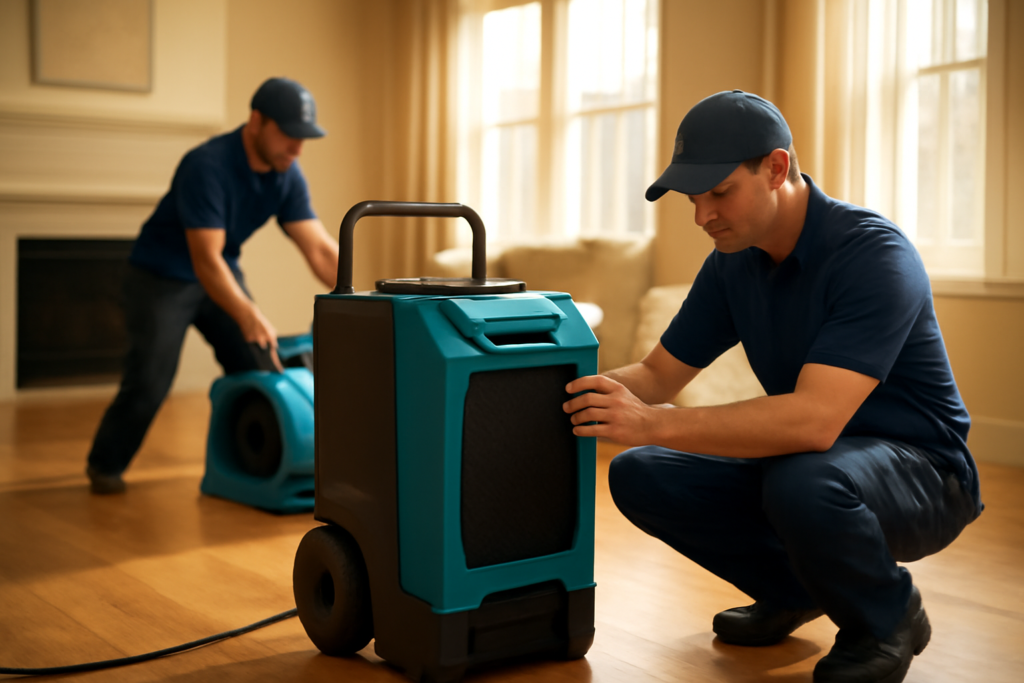
HOA rules for water damage repairs in common areas can be complex. They often dictate who is responsible for repairs, insurance claims, and the process for getting work done.
Understanding these regulations is key to navigating water damage issues effectively within your community. This guide will help you understand what HOA rules typically cover for common area water damage.
TLDR;
- HOA rules define responsibility for common area water damage repairs.
- They outline procedures for reporting damage and filing insurance claims.
- Residents usually need HOA approval for repairs affecting common areas.
- HOAs manage the selection of restoration professionals.
- Understanding your HOA’s specific bylaws is essential.
HOA Rules for Water Damage Repairs in Common Areas
When water damage strikes common areas of your community, it’s not always as straightforward as a single homeowner dealing with a leak. Your Homeowners Association (HOA) likely has specific rules and procedures in place. These rules are designed to protect the community’s assets and ensure fair handling of repairs.
Who is Responsible for Common Area Water Damage?
The first question most residents ask is: who pays for this? Typically, the HOA is responsible for repairs to common areas. This can include hallways, lobbies, roofs, exterior walls, and shared recreational facilities. Your HOA’s governing documents, like the CC&Rs (Covenants, Conditions & Restrictions), will clearly define the boundaries of common areas and the HOA’s maintenance responsibilities.
However, responsibility can shift if the damage originated from a specific unit and the unit owner failed to maintain their property. This is where things can get tricky.
Damage Originating from a Unit
If a leak from your unit damages a common area, you might be held responsible. Your HOA may require you to cover the deductible for the HOA’s insurance claim, or even the full cost of repairs if negligence is proven. It’s vital to report any leaks from your unit immediately to prevent further damage.
Understanding Your HOA’s Insurance Policy
HOAs usually carry master insurance policies. These policies cover damage to common areas. They also often cover the “bare walls” of individual units, meaning the interior surfaces up to the paint. You, as a homeowner, typically have a separate policy that covers your personal belongings and interior finishes (like flooring, cabinets, and paint).
When common area damage occurs, the HOA will typically file a claim under their master policy. Understanding your HOA’s insurance coverage is important for everyone involved.
The Repair Process: What to Expect
Discovering water damage can be stressful. Knowing the process can help ease some of that anxiety. The HOA will usually manage the entire process for common area repairs.
Reporting the Damage
The first step is always reporting the damage. You should notify your HOA board or property management company promptly. They will then assess the situation. Do not wait to report any water issues you notice in common areas.
Assessment and Documentation
Once notified, the HOA will likely send a representative or hire a professional to assess the extent of the water damage. This often involves detailed inspections and documentation. They will determine the source of the water and the affected materials. This documentation is crucial for insurance claims.
Insurance Claim Filing
After assessment, the HOA will file an insurance claim with their master policy provider. This process can take time, as insurance companies need to review the documentation and approve the claim. The HOA board will oversee this, working with adjusters.
Choosing a Restoration Company
Your HOA will typically select and hire the restoration company. They often have pre-approved vendors they work with regularly. This ensures that the chosen company is experienced and reliable. You can ask your HOA for details on their approved restoration partners.
Sometimes, residents might want to get involved in selecting the company, but HOA rules usually dictate this. Trusting the HOA’s process is generally the best approach for common area issues.
Navigating HOA Approval for Repairs
Even if the damage is minor, getting HOA approval is usually a requirement for any work done in common areas. This ensures consistency and adherence to community standards.
When is HOA Approval Needed?
Any repair that affects the structure, appearance, or shared systems of the building requires HOA approval. This includes water damage repair in hallways, laundry rooms, or any space managed by the association. Even if the damage seems contained, it might impact shared plumbing or electrical systems.
Resident Input and HOA Authority
While residents are encouraged to report damage, the HOA board typically has the final say on repair methods and materials. This is to maintain uniformity across the property. It’s important to remember that the HOA is responsible for maintaining the overall community.
The Importance of Professional Restoration
Water damage is more than just visible wet spots. It can lead to hidden problems like mold growth and structural weakening. This is why professional help is so important, especially in common areas.
Why Professionals are Essential
Restoration professionals have the specialized equipment and expertise to handle water damage effectively. They can identify all affected areas, even those not immediately visible. They also know how to properly dry and disinfect the space to prevent future issues. This kind of thoroughness is vital for preventing long-term structural problems.
Research shows that improper drying can lead to mold and mildew within 24-48 hours. A professional restoration process involves careful monitoring and controlled drying. This ensures the area is safe and healthy.
What Professionals Do
During a water damage restoration, professionals will:
- Assess the damage thoroughly.
- Remove standing water and salvageable items.
- Dry out affected materials using specialized equipment.
- Sanitize and deodorize the area.
- Repair or replace damaged materials.
Understanding what happens during a water damage restoration can help you appreciate the necessity of professional intervention.
Common Challenges with HOA Water Damage Rules
Navigating HOA rules can sometimes present challenges. Clear communication and understanding are key to overcoming them.
Delays and Communication Breakdowns
Sometimes, the process can be slow due to insurance procedures or HOA board meeting schedules. It’s important to maintain open communication with your HOA. Ask for updates regularly. If you’re facing delays, it’s good to understand the potential restoration cost factors that might be influencing decisions.
Disputes Over Responsibility
Occasionally, disputes can arise over who is responsible for certain damages or costs, especially deductibles. Having clear documentation and understanding the HOA’s bylaws can help resolve these issues. If the damage seems extensive, don’t assume you know the full extent of the problem; schedule a free inspection by a qualified professional for an unbiased assessment.
DIY vs. Professional Repair in Common Areas
It might be tempting to try a quick fix yourself if you spot minor water damage. However, for common areas, this is generally not allowed and can be problematic. DIY attempts often don’t address the root cause or hidden moisture. This can lead to more significant problems down the line, and it’s a common reason why DIY water damage cleanup often backfires. Always let the HOA and their hired professionals handle common area repairs.
Table: HOA vs. Individual Unit Responsibility for Water Damage
| Area of Damage | Typical Responsibility | Notes |
|---|---|---|
| Roof & Exterior Walls | HOA | Part of common area maintenance. |
| Hallways & Lobbies | HOA | Clearly common spaces. |
| Shared Plumbing/Electrical | HOA | Infrastructure for the building. |
| Interior of Your Unit (Paint, flooring, cabinets) | Individual Owner | Covered by your personal insurance. |
| Personal Property in Your Unit | Individual Owner | Covered by your personal insurance. |
| Damage from Your Unit to Common Area | Potentially Owner | Owner may be liable for costs or deductible. |
Checklist: What to Do When You Discover Water Damage in a Common Area
Here’s a quick checklist to guide you:
- Document the damage with photos or videos (if safe to do so).
- Immediately notify your HOA board or property manager.
- Do not attempt repairs yourself without explicit HOA permission.
- Ask about the process for assessment and claim filing.
- Be patient as the HOA coordinates with insurance and contractors.
- Cooperate with any requests for information or access.
Conclusion
Navigating HOA rules for water damage repairs in common areas requires understanding your community’s specific bylaws and working collaboratively with your association. While it can seem complex, following the proper procedures ensures that repairs are handled efficiently and effectively, protecting your investment and maintaining the value of your property. When dealing with water damage, remember that professional restoration is key to a complete and safe recovery. For expert assistance with water damage in your community, Eden Prairie Restoration Pros is a trusted resource dedicated to helping restore safety and peace of mind.
What if the water damage in the common area seems minor?
Even minor water damage can hide serious issues. Hidden moisture can lead to mold growth, structural rot, and electrical hazards. It’s always best to report it to your HOA, as they will determine the appropriate course of action, which often involves a professional assessment. Trying to handle it yourself could void warranties or lead to bigger problems.
Can I hire my own contractor for common area water damage?
Generally, no. HOAs have specific procedures for selecting contractors to ensure quality, consistency, and adherence to community standards. They usually have a list of approved vendors. Hiring your own contractor without HOA approval could lead to disputes and may not be covered by the HOA’s insurance.
What is the difference between HOA insurance and my personal insurance?
Your HOA’s master policy typically covers the building’s structure and common areas. Your personal policy covers your personal belongings, interior finishes within your unit (like paint, flooring, cabinets), and liability for damage you cause to others. Understanding these distinctions is crucial when water damage occurs.
How long does the HOA process for water damage typically take?
The timeline can vary significantly. It depends on the severity of the damage, the insurance company’s response time, and the HOA’s internal processes. It could take days for initial assessment and weeks or even months for full restoration, especially if extensive repairs are needed or there are delays in insurance approval.
What should I do if I disagree with the HOA’s decision on repairs?
If you disagree with the HOA’s decisions regarding water damage repairs, your first step is to review your HOA’s governing documents. These documents often outline a process for dispute resolution. You may need to formally present your concerns to the board or follow a specific appeals procedure. Open communication is key.

Levi Lemieux is a licensed Damage Restoration Expert with more than 20 years of hands-on experience in disaster recovery and structural mitigation. As a seasoned industry authority, Levi has dedicated two decades to mastering the technical complexities of environmental safety, providing property owners with the reliable expertise and steady leadership required to navigate high-stress property losses with absolute confidence.
𝗖𝗲𝗿𝘁𝗶𝗳𝗶𝗰𝗮𝘁𝗶𝗼𝗻𝘀: Levi holds elite IICRC credentials, including Water Damage Restoration (WRT), Applied Structural Drying (ASD), Mold Remediation (AMRT), Fire and Smoke Restoration (FSRT), and Odor Control (OCT).
𝗙𝗮𝘃𝗼𝗿𝗶𝘁𝗲 𝗣𝗮𝘀𝘁𝗶𝗺𝗲: When off-site, Levi is a passionate mountain biker and an amateur astronomer, hobbies that reflect the endurance and precision he brings to every restoration project.
𝗕𝗲𝘀𝘁 𝗣𝗮𝗿𝘁 𝗼𝗳 𝘁𝗵𝗲 𝗷𝗼𝗯: He finds the most fulfillment in providing a clear path forward for families, turning a site of devastation back into a safe, comfortable home.