
Trusted by 155+ Homeowners
How To Protect Your Home During A Winter Ice Storm
- Over 157 5-Star Reviews
- Free Estimates and Quotes
- 100% Satisfaction Guaranteed
- Child, Family & Pet Safe Steps
- 24-Hour Emergency Service
- Fully Licensed & Insured
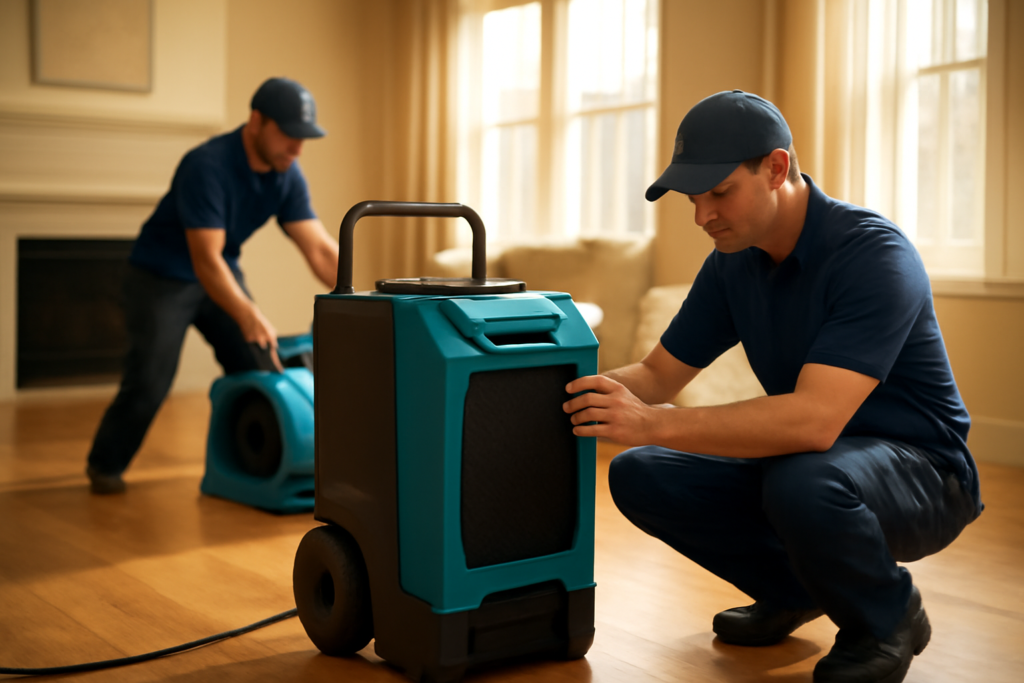
Protecting your home during a winter ice storm involves preparing your exterior, securing vulnerable areas, and knowing what to do when ice accumulates.
Key steps include clearing gutters, trimming trees, and inspecting your roof for potential damage before the storm hits.
TL;DR:
- Prepare your home’s exterior before an ice storm hits.
- Inspect and clear gutters and downspouts to manage meltwater.
- Trim trees and branches that could fall on your home.
- Secure windows and doors against wind-driven ice and snow.
- Have a plan for potential power outages and water damage.
How to Protect Your Home During a Winter Ice Storm
Winter ice storms can be beautiful but also incredibly destructive. The weight of ice can cause serious damage to your home. Preparing beforehand is your best defense. Let’s look at how you can shield your property from the icy onslaught.
Assessing Your Home’s Vulnerability
Before winter even sets in, it’s smart to assess your home’s weak points. Think of it like giving your house a pre-game pep talk. What areas are most likely to take a hit from ice and snow?
Roof and Gutters: The First Line of Defense
Your roof and gutters are often the first to experience the impact of ice. Ice dams can form, preventing meltwater from draining properly. This can lead to water backing up under shingles and into your home.
It’s essential to ensure your gutters are clean and clear of leaves and debris. Clogged gutters are a prime suspect for creating ice dams. You can install downspout extensions to direct water away from your foundation. This helps prevent both foundation issues and potential interior water damage.
Tree Care: Removing Potential Hazards
Overhanging tree branches are a significant danger during ice storms. When coated in ice, they become heavy and brittle. A strong gust of wind can send them crashing down onto your roof, power lines, or windows.
Regularly inspect trees around your home. Trim any dead or weak branches. For larger trees, consider hiring a professional arborist. This is a key part of your storm-proofing your home strategy.
Pre-Storm Preparations: What to Do Now
When an ice storm warning is issued, time is of the essence. You need to take immediate action to secure your home. Don’t wait until the first ice pellets start falling.
Inspecting Your Roof’s Condition
A thorough storm roof inspection is vital. Look for any loose or damaged shingles. While you might not be able to fix major issues right before a storm, knowing about them is important. Understanding your roof’s condition helps you anticipate potential problems.
For commercial buildings, maintaining roof drain maintenance is just as critical. Proper drainage prevents ice buildup and reduces the risk of roof storm damage.
Securing Windows and Doors
Wind-driven ice can find its way through small gaps. Check the seals around your windows and doors. Ensure they are tight and free of cracks. If you have storm shutters, now is the time to deploy them.
Consider reinforcing older windows with strong tape in an ‘X’ pattern. This can help prevent shattering if they are hit by flying debris. This simple step can prevent significant damage and water intrusion risks.
Checking Your Foundation and Drainage
As ice melts, water needs to drain away from your foundation. Poor grading and drainage can lead to water pooling around your home. This can saturate the soil and put pressure on your foundation walls.
Ensure downspouts are directing water away from the house. Clear any drainage channels or grates. This is a crucial part of your storm prep steps.
During the Storm: Staying Safe and Monitoring
Once the storm hits, your focus shifts to safety and monitoring. Stay indoors and avoid unnecessary travel. The roads can become extremely hazardous.
Monitoring for Ice Buildup
Keep an eye on the ice accumulating on your roof, gutters, and decks. If you notice excessive buildup, especially on flat roofs or decks, it might be a cause for concern. However, do not attempt to remove ice yourself from precarious positions.
Power Outage Preparedness
Ice storms are notorious for causing power outages. Ensure you have a well-stocked emergency kit. This includes flashlights, batteries, blankets, non-perishable food, and a first-aid kit. A battery-powered radio is also a good idea to stay informed.
Consider investing in a generator if you live in an area prone to long power outages. Always follow safety guidelines when using a generator. Never run it indoors or in an attached garage.
After the Storm: Damage Assessment and Cleanup
When the storm finally subsides, the work isn’t over. You’ll need to assess any damage and begin the cleanup process.
Inspecting for Damage
Once it’s safe to go outside, carefully inspect your property for damage. Look for downed power lines, damaged trees, broken windows, and any signs of structural compromise. Check your roof for missing or damaged shingles.
Pay attention to any signs of water damage inside your home. Damp spots on ceilings or walls, or peeling paint, could indicate a leak. Addressing these issues quickly can prevent further problems like mold growth.
Dealing with Meltwater
As temperatures rise, the ice will begin to melt. Monitor your gutters and downspouts to ensure they are clear. You want meltwater to drain away from your home effectively. Standing water can lead to foundation issues and basement flooding.
When to Call a Professional
If you discover significant damage, such as a leaking roof, collapsed structures, or extensive water intrusion, it’s time to call a professional right away. Restoration companies have the expertise and equipment to handle complex repairs. They can help prevent secondary damage and ensure your home is safely restored. Don’t wait to get help if you suspect major damage.
Conclusion
Protecting your home during a winter ice storm requires a combination of preparation, vigilance, and prompt action. By taking steps to clear gutters, trim trees, secure your home, and prepare for power outages, you can significantly reduce the risk of damage. If the worst does happen, remember that Eden Prairie Restoration Pros is here to help you navigate the complexities of storm damage recovery. We offer expert advice and reliable services to get your home back to normal.
What is an ice dam and how do I prevent it?
An ice dam is a ridge of ice that forms at the edge of a roof, preventing melting snow from draining. This can cause water to back up and leak into your home. Prevention involves keeping your attic well-insulated and ventilated, and ensuring your gutters are clean and clear of obstructions. Proper water intrusion risks mitigation is key.
How much weight can ice put on a roof?
The weight of ice on a roof can be substantial. A layer of ice can weigh as much as 50 pounds per square foot, and thicker layers can weigh even more. This weight can stress your roof structure, potentially leading to sagging or collapse, especially if the roof is already compromised.
What should I do if I lose power during an ice storm?
If you lose power, stay warm by gathering in one room, using blankets, and wearing layers. Use flashlights instead of candles to reduce fire risk. Keep refrigerators and freezers closed to preserve food. Have a battery-powered radio to stay updated on weather and power restoration efforts.
Can I clear ice from my roof myself?
Clearing ice from your roof yourself can be extremely dangerous. Falling ice, slippery surfaces, and the risk of falling from a height are serious concerns. It’s best to leave roof ice removal to trained professionals who have the proper safety equipment and techniques.
How can I protect my basement from ice melt water?
To protect your basement, ensure your gutters and downspouts are clear and directing water at least 10 feet away from your foundation. Check that your yard slopes away from your house. Consider installing a sump pump if you are in a flood-prone area. This is part of effective storm prep steps.

Levi Lemieux is a licensed Damage Restoration Expert with more than 20 years of hands-on experience in disaster recovery and structural mitigation. As a seasoned industry authority, Levi has dedicated two decades to mastering the technical complexities of environmental safety, providing property owners with the reliable expertise and steady leadership required to navigate high-stress property losses with absolute confidence.
𝗖𝗲𝗿𝘁𝗶𝗳𝗶𝗰𝗮𝘁𝗶𝗼𝗻𝘀: Levi holds elite IICRC credentials, including Water Damage Restoration (WRT), Applied Structural Drying (ASD), Mold Remediation (AMRT), Fire and Smoke Restoration (FSRT), and Odor Control (OCT).
𝗙𝗮𝘃𝗼𝗿𝗶𝘁𝗲 𝗣𝗮𝘀𝘁𝗶𝗺𝗲: When off-site, Levi is a passionate mountain biker and an amateur astronomer, hobbies that reflect the endurance and precision he brings to every restoration project.
𝗕𝗲𝘀𝘁 𝗣𝗮𝗿𝘁 𝗼𝗳 𝘁𝗵𝗲 𝗷𝗼𝗯: He finds the most fulfillment in providing a clear path forward for families, turning a site of devastation back into a safe, comfortable home.