
Trusted by 155+ Homeowners
How Long After A Flood Does Mold Start Growing?
- Over 157 5-Star Reviews
- Free Estimates and Quotes
- 100% Satisfaction Guaranteed
- Child, Family & Pet Safe Steps
- 24-Hour Emergency Service
- Fully Licensed & Insured
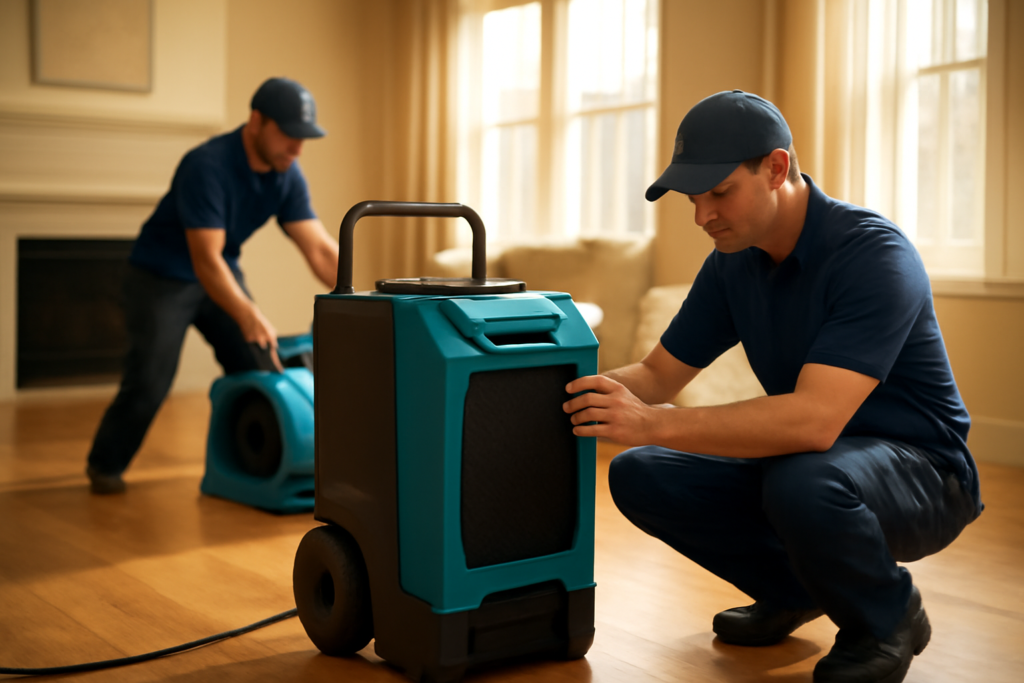
Mold can start growing as soon as 24 to 48 hours after a flood.
The speed depends on moisture levels and the presence of organic materials for mold to feed on.
TL;DR:
- Mold can begin to grow within 24-48 hours after water damage.
- Controlling moisture is key to preventing mold growth.
- Visible mold and musty odors are signs of a problem.
- Professional water damage restoration is crucial for thorough drying and mold prevention.
- Ignoring water damage can lead to serious health risks and structural issues.
How Long After a Flood Does Mold Start Growing?
Discovering your home has experienced a flood can be incredibly stressful. You’re likely worried about the immediate damage. But a question that often pops up is: how long after a flood does mold start growing? The answer might surprise you. Mold is a persistent organism. It can begin its takeover very quickly.
Research and experience show that mold spores are everywhere. They are tiny and microscopic. These spores just need the right conditions to thrive. A flood provides those conditions readily. Moisture is the main ingredient mold needs.
The 24 to 48-Hour Window
We found that mold can start to colonize surfaces in as little as 24 to 48 hours after a water event. This is a critical period for your home. If water isn’t addressed promptly, mold has a head start. It’s like giving an unwelcome guest a key to your house.
This rapid growth is especially true if the water is stagnant. Standing water creates a perfect breeding ground. Think of it as a miniature swamp developing in your living room. Early intervention is absolutely key.
Factors Influencing Mold Growth Speed
Several factors can speed up or slow down mold growth. The type of water is one. Is it clean rainwater or contaminated floodwater? Floodwater often contains organic materials. These materials act as food for mold. This makes the growth even faster.
The temperature of your home also plays a role. Warmer temperatures encourage faster growth. Humidity levels are another major factor. High humidity means more moisture in the air. This can lead to mold growth on surfaces that don’t even appear directly wet. Controlling humidity is vital.
What Does Mold Need to Grow?
Mold needs four main things to grow:
- Moisture (from floods, leaks, or high humidity)
- A food source (organic materials like wood, paper, fabric, drywall backing)
- The right temperature (most indoor temperatures are suitable)
- Oxygen (readily available)
When a flood occurs, you automatically have the first two conditions met. This is why the timeline is so short. You are essentially providing a buffet for mold spores.
Understanding Water Intrusion Risks
The risks associated with water intrusion risks are significant. Beyond the immediate damage, the potential for mold is a major concern. Mold can damage your home’s structure. It can also cause serious health problems for occupants. Don’t underestimate the danger.
Signs You Might Have Mold
How do you know if mold is already growing?
- Visible mold: This can appear as fuzzy or slimy patches. Colors vary greatly (green, black, white, orange).
- Musty odor: A persistent damp or earthy smell is a classic sign. This is often called a musty odor causes.
- Water stains: Discoloration on walls or ceilings can indicate past or present moisture.
- Peeling paint or wallpaper: Moisture can cause finishes to bubble or peel away.
- Warped materials: Wood or drywall can swell and warp when exposed to water.
If you notice any of these signs, it’s important to investigate further. A musty smell in your home is a red flag. It could be a sign of hidden mold growth. This smell can linger long after the visible water is gone.
The Importance of Professional Drying
When dealing with flood damage, professional help is often necessary. Trying to dry out a flooded home yourself can be challenging. Professionals have specialized equipment. They can ensure materials are dried thoroughly. This is crucial for preventing mold. Their process addresses all the interior water damage.
They can measure moisture levels accurately. This helps them know when everything is truly dry. They also understand how to handle different materials. Some materials absorb more moisture than others. Getting professional advice today can save you a lot of trouble later.
The Water Damage Timeline: A Closer Look
Understanding the water damage timeline: from leak to mold growth can help you appreciate the urgency. After a flood:
- Within hours: Water soaks into porous materials. Metal begins to tarnish. Furniture can be damaged.
- Within 1-2 days: Mold growth may begin. Drywall can start to swell. Wood can begin to warp.
- Within 3-7 days: Mold can spread significantly. Wood can begin to rot. Metal corrosion increases.
- Within weeks: Extensive mold growth. Structural damage can become severe.
This timeline highlights how quickly problems escalate. Do not wait to get help if you have experienced flooding. The longer you delay, the worse the damage becomes.
Why DIY Drying Isn’t Always Enough
While you might be tempted to save money, DIY drying can be insufficient. You might dry the visible surfaces. But moisture can remain hidden deep within walls or under floors. This hidden moisture is perfect for mold. This is why understanding how pros dry out a flooded home: step by step is so important.
Professional services use tools like moisture meters and infrared cameras. These help detect hidden moisture. They also use powerful air movers and dehumidifiers. These systems can dry out spaces much faster and more effectively than fans alone. Schedule a free inspection to assess the situation.
The Health Implications of Mold
Mold is not just an aesthetic problem. It poses significant health risks. Some people are more sensitive to mold than others. Reactions can range from mild irritation to severe respiratory issues.
Common symptoms include coughing, sneezing, runny nose, and skin rashes. For individuals with asthma or allergies, mold exposure can trigger serious attacks. Long-term exposure can lead to more chronic health problems. Mold exposure can cause serious health risks. Protecting your family’s health is a top priority.
When to Call the Professionals
If your home has experienced any significant water intrusion, it’s time to call for help. This includes burst pipes, appliance leaks, or storm flooding. The longer water sits, the higher the risk of mold. Professionals can assess the damage. They can also begin the drying and restoration process immediately.
They have the expertise to handle the situation safely and efficiently. They can also help prevent future problems. This includes mold remediation and structural repairs. Call a professional right away to mitigate further damage.
How Long Does It Take to Dry Out a Flooded Room?
The time it takes to dry out a flooded room varies greatly. It depends on the extent of the flooding. It also depends on the materials affected. A minor spill might dry in a day or two with good ventilation. However, significant flooding can take days or even weeks.
Professionals can often speed up the process. They use industrial-grade equipment. This equipment is designed for rapid and thorough drying. Understanding how long does it take to dry out a flooded room can help manage expectations. But the goal is always complete dryness to prevent mold. Act before it gets worse.
Preventing Future Mold Growth
After the initial flood and restoration, prevention is key. Regularly inspect your home for leaks. Fix any plumbing issues promptly. Ensure proper ventilation in bathrooms and kitchens. Use dehumidifiers in damp areas.
Clean up spills quickly. Address any signs of moisture immediately. By taking these steps, you can significantly reduce the chances of mold returning. Don’t wait to get help if you suspect a problem. Early detection saves time, money, and health.
Conclusion
The threat of mold growth after a flood is immediate and serious. Mold can begin to colonize surfaces within 24 to 48 hours. This rapid growth highlights the critical need for swift action. Addressing water damage promptly is essential for protecting your home’s structure and your family’s health. From visible signs like mold patches and musty odors to hidden moisture within walls, the indicators are there. Understanding the risks and the timeline can empower you to make the right decisions. For expert guidance and effective remediation of flood damage and potential mold issues, Eden Prairie Restoration Pros is a trusted resource. We help you restore your home and peace of mind.
What is the fastest mold can grow after water damage?
Research shows that mold can begin to grow on surfaces within 24 to 48 hours after water damage occurs. This is why immediate action to dry out the affected areas is so important.
Can mold grow in a room that looks dry?
Yes, mold can grow in areas that appear dry. Moisture can be trapped within walls, under flooring, or behind cabinets. This hidden moisture can sustain mold growth even if the visible surface seems dry.
What are the main signs of mold growth in a home?
The most common signs of mold growth include visible mold colonies (which can be various colors), a persistent musty odor, water stains or discoloration on surfaces, and peeling paint or wallpaper.
Is all mold dangerous?
Not all mold species are equally dangerous, but any mold growth in your home should be addressed. Some molds produce mycotoxins that can cause serious health problems. It’s best to treat all mold as a potential health hazard.
Should I attempt to clean up mold myself after a flood?
For minor surface mold on non-porous materials, some DIY cleanup might be possible. However, after a flood, the extent of water damage and potential mold growth is often widespread and hidden. It is generally recommended to call a professional for thorough assessment and remediation to ensure all mold is removed and the area is properly dried.

Levi Lemieux is a licensed Damage Restoration Expert with more than 20 years of hands-on experience in disaster recovery and structural mitigation. As a seasoned industry authority, Levi has dedicated two decades to mastering the technical complexities of environmental safety, providing property owners with the reliable expertise and steady leadership required to navigate high-stress property losses with absolute confidence.
𝗖𝗲𝗿𝘁𝗶𝗳𝗶𝗰𝗮𝘁𝗶𝗼𝗻𝘀: Levi holds elite IICRC credentials, including Water Damage Restoration (WRT), Applied Structural Drying (ASD), Mold Remediation (AMRT), Fire and Smoke Restoration (FSRT), and Odor Control (OCT).
𝗙𝗮𝘃𝗼𝗿𝗶𝘁𝗲 𝗣𝗮𝘀𝘁𝗶𝗺𝗲: When off-site, Levi is a passionate mountain biker and an amateur astronomer, hobbies that reflect the endurance and precision he brings to every restoration project.
𝗕𝗲𝘀𝘁 𝗣𝗮𝗿𝘁 𝗼𝗳 𝘁𝗵𝗲 𝗷𝗼𝗯: He finds the most fulfillment in providing a clear path forward for families, turning a site of devastation back into a safe, comfortable home.