Landlord Liability For Mold-related Health Problems
Trusted by 155+ Homeowners
Landlords can be held liable for mold-related health problems if they fail to maintain a safe and habitable living environment. This often involves addressing water intrusion and mold growth promptly.
Understanding landlord liability for mold means knowing your responsibilities regarding property maintenance and tenant safety. Ignoring mold issues can lead to serious health concerns and legal repercussions.
TL;DR:
- Landlords are generally responsible for keeping rental properties safe and habitable.
- Failure to address water damage and mold can lead to landlord liability for tenant health issues.
- Prompt mold inspection and remediation are crucial for both tenant health and landlord protection.
- Tenants should report mold and water issues immediately in writing.
- Consulting with restoration professionals can help mitigate risks and ensure proper cleanup.
Landlord Liability for Mold-Related Health Problems
When mold appears in a rental property, it can create a stressful situation for everyone involved. You might wonder about your legal standing and potential responsibility. We found that landlord liability for mold-related health problems is a serious concern for property owners. It hinges on whether the landlord took reasonable steps to prevent and address mold growth.
What Does Landlord Liability Mean?
Landlord liability means a property owner can be legally responsible for damages or injuries that occur due to their negligence. In the context of mold, this often relates to failing to maintain a safe and habitable living space. If a tenant experiences health issues directly linked to mold in the rental unit, the landlord could be held accountable.
The Duty to Maintain a Habitable Property
Most states have laws, often called landlord-tenant acts, that require landlords to keep their properties in good repair. This includes ensuring the property is free from conditions that threaten tenant health and safety. Mold, especially toxic mold, can fall into this category. Many experts say that a habitable property means it’s free from hazards, and mold can be a significant hazard.
Water Intrusion: The Root Cause
Mold needs moisture to grow. Water intrusion from leaky pipes, roof damage, or poor ventilation is often the primary culprit. If a landlord knows about a water issue and doesn’t fix it, they are likely negligent. This negligence can then lead to mold growth. We found that addressing water leaks quickly is key to preventing mold.
Tenant’s Role in Reporting Issues
Tenants also have a role. They are generally expected to report any maintenance issues, including signs of water damage or mold, to their landlord promptly. Failing to do so might impact their ability to hold the landlord liable. However, this doesn’t absolve the landlord of their responsibility to fix known problems. We found that written communication is best for tenant reports.
Common Scenarios Leading to Liability
Several situations can expose landlords to liability. One common issue is persistent leaks that are ignored. Another is inadequate building maintenance that allows water to enter. Sometimes, it’s about not properly ventilating bathrooms and kitchens, leading to mold buildup. We found that ignoring tenant complaints about water damage is a major red flag.
The Impact of Black Mold
Certain types of mold, like Stachybotrys chartarum (often called black mold), are associated with more severe health effects. While the science is still evolving, research suggests potential links to respiratory problems, allergic reactions, and other health issues. If a landlord allows conditions that foster toxic mold growth, their liability could be greater. Many experts say that tenant legal rights include a right to a safe environment free from such hazards.
Tenant Legal Rights and Landlord Responsibilities
Understanding apartment mold: tenant rights and landlord duties is essential. Tenants have a right to a dwelling that is safe and healthy. Landlords have a duty to provide and maintain such a property. This includes taking reasonable steps to prevent and remediate mold. We found that landlord responsibilities extend to structural integrity and preventing conditions that breed mold.
What Constitutes “Reasonable Steps”?
What constitutes “reasonable steps” can vary. Generally, it means acting promptly once aware of a problem. This includes inspecting for water damage, hiring qualified professionals for repairs, and ensuring proper cleanup and remediation of any mold found. We found that timely professional remediation is crucial.
Preventing Mold Growth: A Landlord’s Best Defense
The most effective way to avoid liability is to prevent mold growth in the first place. This involves regular property inspections, especially after heavy rain or during humid seasons. Addressing summer humidity and indoor water damage risks is also important. Keeping attics and basements dry can prevent attic mold. Good ventilation is key throughout the property.
The Importance of Professional Inspections
Regular professional inspections can identify potential issues before they become major problems. A professional can spot subtle signs of water damage or mold that might be missed by the untrained eye. This proactive approach can save money and prevent health issues. We found that regular property maintenance is cost-effective.
Signs of Hidden Water Damage and Mold
Sometimes, the first sign of a problem isn’t visible mold. A persistent musty smell in your home could indicate hidden water damage and mold growth behind walls or under floors. Tenants should report such odors immediately. Landlords should investigate promptly. We found that a musty odor is a warning sign.
Health Effects of Mold Exposure
Exposure to mold can cause a range of health problems. These can include sneezing, coughing, wheezing, and shortness of breath. For individuals with asthma or allergies, mold can trigger more severe reactions. Research shows that prolonged mold exposure can worsen respiratory conditions. Understanding the black mold health effects: what science really says helps underscore the seriousness of the issue.
What to Do If Mold is Found
If you discover mold or suspect it in your rental property, here’s a checklist of actions:
- Tenant: Document the issue immediately. Take photos and videos.
- Tenant: Notify your landlord in writing. Keep a copy of the notification.
- Landlord: Inspect the area promptly. Determine the source of moisture.
- Landlord: Hire a qualified mold remediation professional. Do not attempt DIY cleanup for large infestations.
- Landlord: Repair the moisture source. This is essential to prevent recurrence.
- Landlord: Ensure thorough cleanup and containment. Follow industry standards.
When to Seek Expert Advice
Dealing with mold can be complex. If you are a landlord facing mold issues or a tenant concerned about your health, seeking expert advice is wise. Restoration professionals can assess the extent of the damage and recommend the proper remediation steps. We found that acting fast can prevent further damage and health risks.
The Role of Restoration Professionals
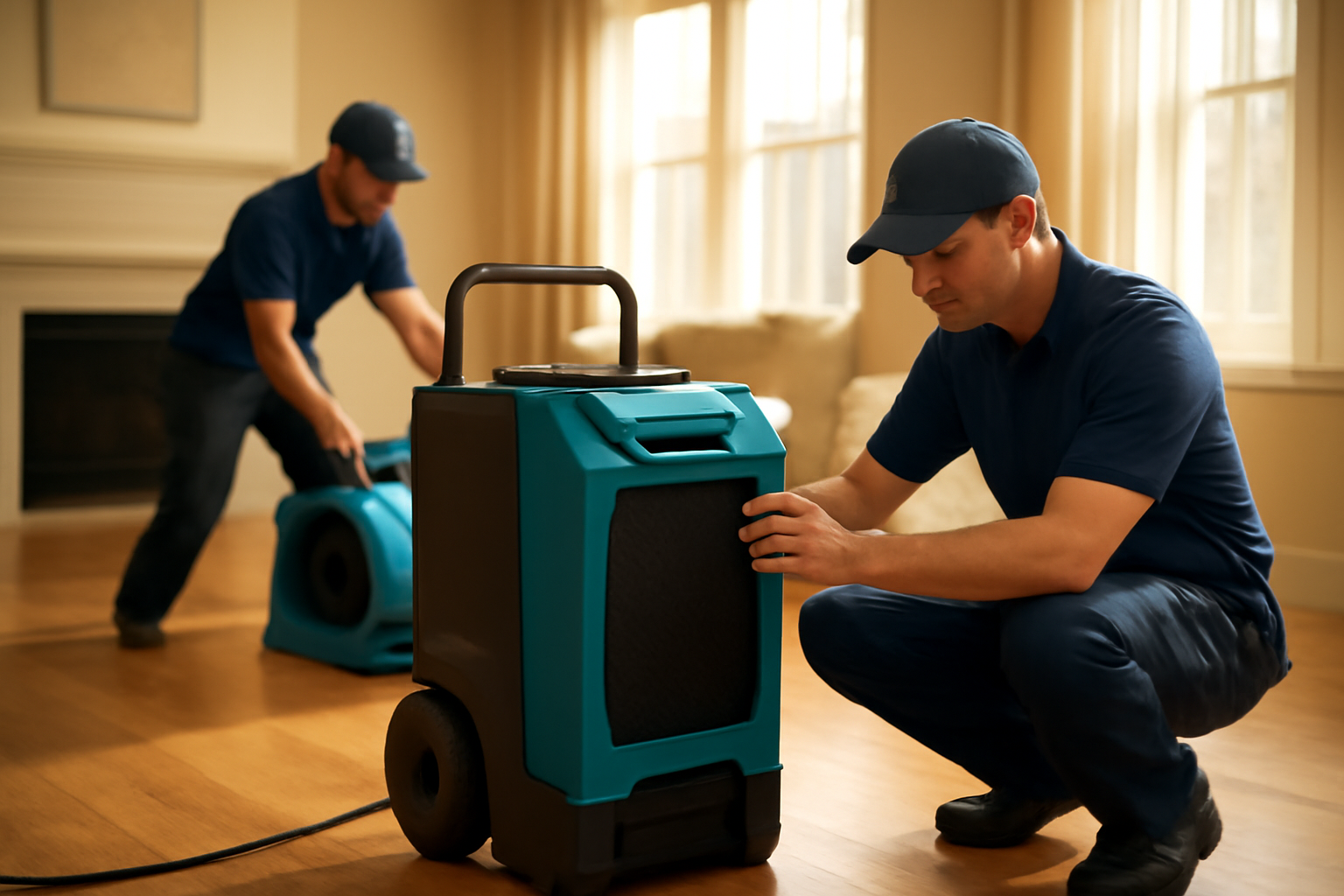
Professionals in the restoration industry are trained to handle mold and water damage safely and effectively. They have the equipment and knowledge to identify mold types, contain the affected areas, and perform thorough cleanup. This ensures the property is returned to a safe condition. We found that professional mold remediation is often required by law.
| Potential Mold Health Symptoms | Severity | Action Recommended |
|---|---|---|
| Sneezing, Runny Nose, Itchy Eyes | Mild to Moderate | Report to landlord, monitor symptoms. |
| Coughing, Wheezing, Shortness of Breath | Moderate to Severe | Report to landlord immediately, seek medical advice. |
| Asthma Attacks, Allergic Reactions | Severe | Seek medical attention right away, ensure landlord addresses mold. |
| Skin Irritation or Rashes | Mild to Moderate | Monitor, report to landlord if persistent. |
Conclusion
Landlord liability for mold-related health problems is a significant issue that underscores the importance of property maintenance. By understanding your responsibilities and acting promptly, you can protect tenants and yourself from potential legal and health complications. For property owners in the Eden Prairie area, dealing with mold requires swift and effective action. If you’re facing mold or water damage issues, remember that professional help is available to ensure a safe and healthy living environment. Eden Prairie Restoration Pros has the expertise to help manage and remediate these challenging situations, ensuring compliance and peace of mind.
What are the most common causes of mold in rental properties?
The most common causes are water intrusion from leaks (roof, pipes, windows), high humidity due to poor ventilation, and condensation. Basically, anywhere moisture can collect and linger, mold can start to grow. We found that persistent moisture is the key factor.
How can tenants protect themselves from mold?
Tenants can protect themselves by promptly reporting any signs of water damage or mold to their landlord in writing. They should also ensure good ventilation in bathrooms and kitchens and report any unusual musty odors. Documenting all communications is vital.
What is the landlord’s responsibility if mold is found?
A landlord’s primary responsibility is to maintain a safe and habitable property. This means investigating reported mold issues, identifying and repairing the source of moisture, and arranging for professional mold remediation. Failure to act can lead to liability.
Can a landlord evict a tenant for causing mold?
In some cases, yes, if the tenant’s actions directly caused the mold and they refuse to address it after being notified. However, if the mold is due to pre-existing building issues or the landlord’s negligence, eviction would not be justified. Landlords must prove tenant fault.
How long does mold remediation typically take?
The time it takes for mold remediation varies greatly. Small areas might be resolved in a day or two. Larger infestations, especially those requiring structural drying or removal of contaminated materials, can take several days to weeks. We found that thorough drying is essential for complete remediation.