Health Risks Of Living In A Water-damaged Home
Trusted by 155+ Homeowners
Living in a water-damaged home can expose you to serious health risks. These issues often stem from mold growth and poor air quality.
Ignoring water damage can lead to chronic health problems and a less comfortable living environment. It’s important to understand the dangers.
TL;DR:
- Water damage can cause mold, leading to respiratory issues and allergies.
- Contaminated water can spread bacteria and viruses, causing various illnesses.
- Structural damage from water can create safety hazards.
- Long-term exposure to damp environments affects mental well-being.
- Prompt professional restoration is key to preventing health risks.
Health Risks of Living in a Water-Damaged Home
You might not think much of a small leak or a damp spot. But water damage is more than just an aesthetic problem. It can silently create a breeding ground for trouble. This can lead to very real health dangers involved for you and your family. Understanding these risks is the first step toward a safer home.
The Invisible Threat: Mold and Mildew
When water sits for too long, mold and mildew can start to grow. These fungi thrive in damp, dark places. They release spores into the air you breathe. These spores can trigger a range of health problems. It’s a common consequence of indoor water damage.
Respiratory Problems and Allergies
Breathing in mold spores is a major concern. For many people, it can cause allergic reactions. Symptoms include sneezing, runny nose, and itchy eyes. Others might experience more severe reactions. This is especially true for those with asthma or other respiratory conditions. The health risks present can be significant.
What Experts Say About Mold
Many experts say that prolonged exposure to mold is linked to serious health issues. Research shows that certain types of mold can produce mycotoxins. These toxins can cause a variety of symptoms. They range from headaches and fatigue to more serious neurological problems. You do not want to wait to get help if you suspect mold.
Beyond Mold: Other Contaminants
Water damage isn’t always just about mold. If the water source is contaminated, it can bring bacteria and viruses into your home. This is especially true after floods or sewage backups. These pathogens can pose immediate health threats.
Bacterial and Viral Infections
Contact with contaminated water can lead to infections. These can enter your body through cuts or by ingestion. Symptoms might include gastrointestinal distress, skin rashes, or fever. It’s a serious health risk that needs immediate attention.
Chemical Contamination
In some cases, water can pick up chemicals from building materials. It can also carry pollutants from outside. This contaminated water can then seep into your living space. The long-term effects of breathing or touching these chemicals are not fully understood. But it’s best to avoid the exposure.
The Impact on Your Home’s Structure
Water damage can weaken the very structure of your home. This isn’t just about looks. It can create dangerous situations. Think of it like a slow-motion attack on your house’s integrity.
Weakened Materials and Safety Hazards
Wood can rot, drywall can crumble, and foundations can be compromised. This can lead to sagging ceilings or unstable floors. These issues are not just cosmetic; they can become serious safety hazards. You need to address this before it gets worse.
Electrical System Risks
Water and electricity are a dangerous mix. Water can damage electrical wiring and outlets. This can increase the risk of electrical shocks or fires. It’s a good reason to call a professional right away if you notice water near electrical components.
The Psychological Toll of Water Damage
Living in a damaged home can be stressful. The constant worry about health and repairs can take a toll. It affects your peace of mind. This is a less discussed but very real aspect of water damage.
Stress and Anxiety
The sight of water stains, the musty smell, and the fear of illness can create anxiety. Constantly worrying about the situation is exhausting. It can make your home feel less like a sanctuary.
Impact on Daily Life
Water damage can disrupt your daily routines. You might have to deal with constant cleaning. Or perhaps you have to avoid certain rooms. This disruption can lower your overall quality of life. It’s important to get expert advice today.
When Humidity Becomes a Problem
Even without a major leak, high humidity can cause problems. Especially during warmer months, indoor moisture can build up. This creates the perfect environment for mold growth risk.
Summer Humidity Concerns
Warm, humid air can condense on cooler surfaces. This creates dampness that mold loves. If your home isn’t properly ventilated, you might be inviting mold after moisture.
Preventing Humidity Issues
Using dehumidifiers and ensuring good airflow can help. Addressing any leaks promptly is also key. This prevents moisture from lingering and causing issues.
The Risks of Past Damage
Buying a home is exciting. But if it has a history of water damage, you need to be aware. Not disclosing past damage can lead to future problems. It’s essential to know the water damage history of any property.
Hidden Problems
Previous water damage might have been poorly repaired. This means hidden mold or structural issues could still exist. Always ask about past damage disclosure.
Ongoing Maintenance
Homes with a history of water issues may require more upkeep. Understanding this helps you budget and plan. It’s vital to assess the interior water damage potential.
Urban Flooding and Water Intrusion Risks
Cities often face unique water damage challenges. Urban flooding can happen due to heavy rains or overwhelmed drainage systems. This increases water intrusion risks for many homes.
City-Specific Challenges
Dense development can mean less permeable ground. This can lead to more surface water runoff. Understanding why cities face increasing risk helps homeowners prepare.
Protecting Your Home
Knowing your local flood risks is important. Taking steps to waterproof your basement can help. It’s about being prepared for potential interior water damage.
What to Do About Water Damage
If you suspect water damage in your home, don’t delay. The longer you wait, the worse the problems can become. This includes both the damage to your home and the potential health risks.
Immediate Steps to Take
If you discover a leak or flood, act fast.
- Stop the water source if possible.
- Remove standing water.
- Ventilate the area.
- Document the damage with photos.
- Contact a restoration professional.
Remember, quick action can save your home.
The Importance of Professional Restoration
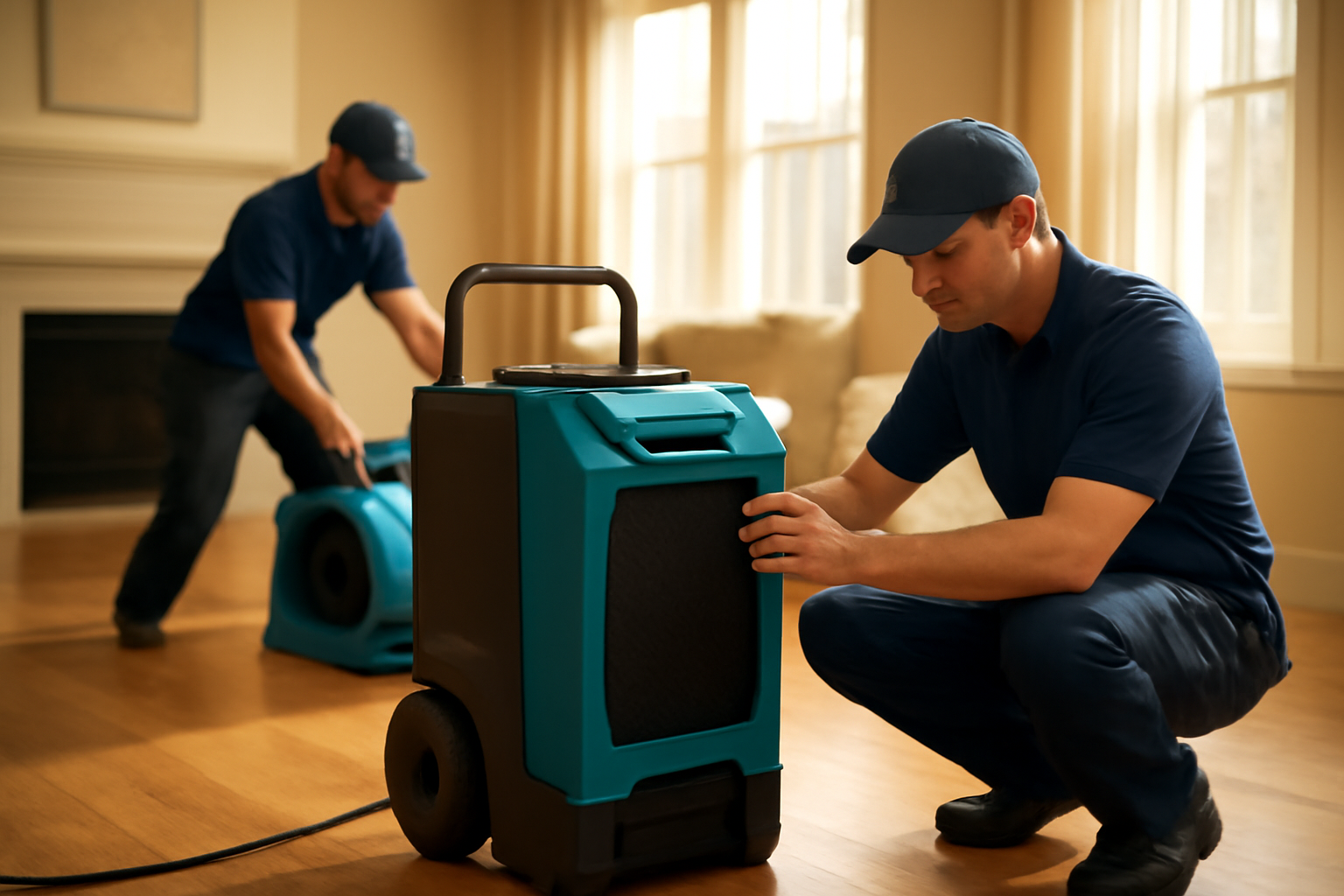
Restoration companies have the tools and expertise. They can safely remove water. They can dry out your home thoroughly. They can also address mold and prevent future issues. This is the best way to ensure your home is safe and healthy again. Do not wait to get help.
| Potential Health Issue | Cause | Symptoms |
|---|---|---|
| Allergic Reactions | Mold spores | Sneezing, runny nose, itchy eyes |
| Asthma Attacks | Mold spores | Wheezing, shortness of breath |
| Bacterial Infections | Contaminated water | Gastrointestinal issues, skin rashes |
| Headaches/Fatigue | Mold toxins, poor air quality | General malaise, difficulty concentrating |
When to Call for Help
You should call a professional right away if you have significant water damage. This includes basement flooding or leaks that have gone unnoticed. They can assess the situation and provide a plan. Getting expert advice today is crucial.
Conclusion
Living with water damage poses serious health risks, from respiratory problems to infections and stress. It can also compromise your home’s structural integrity. Addressing water issues promptly with professional help is essential for your family’s well-being and your home’s safety. If you’re facing water damage in Eden Prairie, Eden Prairie Restoration Pros is a trusted resource ready to help restore your home and peace of mind.
What are the most common health problems from water damage?
The most common health problems stem from mold and mildew growth. These can cause allergic reactions, asthma flare-ups, and other respiratory issues. Poor air quality from dampness can also lead to headaches and fatigue. These are significant health dangers involved.
Can mold in a water-damaged home make you very sick?
Yes, mold in a water-damaged home can make you very sick. While some people only experience mild allergies, others can have severe reactions. Exposure to certain mycotoxins produced by mold can lead to a range of serious health issues. The health risks present should not be ignored.
How quickly does mold grow after water damage?
Mold can begin to grow within 24 to 48 hours after water damage occurs. It needs moisture and a food source (like drywall or wood) to thrive. This rapid growth highlights the mold growth risk and the need for quick action.
Is it safe to stay in a home with water damage?
It is generally not safe to stay in a home with significant water damage, especially if mold is present or suspected. The contaminated air and potential structural issues pose serious health dangers. It’s best to seek temporary accommodation while professional restoration takes place.
What should I do if my basement floods?
If your basement floods, your first step is to ensure your safety and shut off electricity to the affected area if possible. Then, you should contact a professional water damage restoration service immediately. They have the equipment and expertise to handle the situation safely and effectively, mitigating interior water damage.