Summer Humidity And Indoor Water Damage Risks
Trusted by 155+ Homeowners
Summer humidity can significantly increase indoor water damage risks. High moisture levels create ideal conditions for mold growth and structural issues.
Protecting your home from summer humidity requires understanding its effects and taking preventative steps.
TL;DR:
- Summer’s high humidity makes homes vulnerable to water damage and mold.
- Check for leaks, improve ventilation, and manage condensation to prevent issues.
- Persistent musty odors signal underlying moisture problems that need addressing.
- Ignoring humidity issues can lead to serious health risks and costly repairs.
- Prompt professional assessment is key to mitigating summer water damage.
Summer Humidity and Indoor Water Damage Risks
Summer often brings not just sunshine but also sticky, high humidity. This can feel uncomfortable. It also creates a hidden threat to your home. Understanding these risks is the first step in protecting your property. We’ll look at how summer humidity can lead to water damage and what you can do.
The Unseen Threat of High Humidity
High humidity means there’s a lot of moisture in the air. This moisture doesn’t just stay in the air. It can settle on surfaces. Think of it like dew on grass, but inside your home. This condensation is a prime culprit for water damage.
Condensation on Surfaces
Cold surfaces like windows, pipes, and air conditioning vents can attract moisture. When warm, humid air hits these cold spots, it cools down. This causes water vapor to turn into liquid water. This collected water can then seep into walls, floors, and other building materials.
Attic and Basement Moisture
These areas are often less insulated and can be cooler. They are prime spots for condensation to form. In attics, this can damage insulation and wooden beams. Basements can suffer from dampness that leads to mold and structural weakening.
How Humidity Fuels Mold Growth
Mold loves moisture. It’s a fact of nature. High humidity provides a constant food source for mold spores. These spores are everywhere, but they need damp conditions to thrive. Summer’s persistent moisture creates these ideal breeding grounds.
The Speedy Spread of Mold
Research shows that mold can start to grow within 24 to 48 hours. Once it starts, it spreads quickly. A small patch can become a significant problem before you even notice it. This is why a water damage link is so important to understand.
Health Implications of Mold
Living with mold isn’t just unpleasant; it’s unhealthy. Mold spores can trigger allergies and asthma. They can cause respiratory problems and other issues. Many experts say that the water damage link to health is a serious concern.
Hidden Water Damage Sources
Beyond visible condensation, summer humidity can exacerbate other water issues. It can worsen small, unnoticed leaks. It can also contribute to problems in areas you don’t typically think about.
Leaky Pipes and Fixtures
Warmer temperatures can sometimes cause pipes to expand and contract. This can stress existing seals. Small leaks that might be ignored in cooler months can become more problematic. These hidden moisture sources can lead to significant damage over time.
HVAC System Issues
Your air conditioning system works hard in the summer. It can also be a source of moisture. If not properly maintained, AC units can leak water. Condensate lines can become clogged. This excess water can then cause damage to surrounding areas.
Preventative Measures for Your Home
The good news is you can take steps to combat summer humidity and its risks. Proactive measures are far easier than dealing with damage later.
Improve Ventilation
Good airflow is key. Use exhaust fans in bathrooms and kitchens. Ensure your attic and crawl spaces are properly ventilated. This helps moisture escape rather than build up.
Manage Indoor Humidity Levels
Consider using a dehumidifier, especially in damp areas like basements. Aim to keep indoor humidity levels between 30-50%. A hygrometer can help you monitor these levels accurately.
Check for Leaks Regularly
Inspect pipes, faucets, and appliances for any signs of leaks. Look for water stains or damp spots. Addressing small leaks early is vital.
Seal Gaps and Cracks
Seal any cracks or openings in your home’s foundation or walls. This prevents humid outdoor air from easily entering your home.
When Humidity Causes Serious Issues
Sometimes, despite your best efforts, humidity can lead to more significant problems. These can range from persistent odors to visible water damage. It’s important to know when to seek professional help.
The Persistent Musty Smell
A constant moisture sources is a red flag. That musty smell often indicates hidden mold growth. It means there is a moisture problem that needs to be investigated and resolved.
Visible Signs of Water Damage
Peeling paint, warped wood, or water stains are clear indicators. These signs mean water has been present long enough to cause damage. Acting quickly is essential to prevent further deterioration.
The Impact of Urban Environments
Even if you don’t live near a river, urban areas can face unique flooding challenges. Paved surfaces prevent water from soaking into the ground. This can lead to increased runoff and potential flooding during heavy rain. Understanding water damage link is important for all homeowners.
Common Homeowner Mistakes to Avoid
Many homeowners make common errors when dealing with humidity. These mistakes can turn minor issues into major headaches. Let’s look at a few.
Ignoring Small Signs
A tiny water spot or a faint musty smell might seem insignificant. However, these are often early warnings. Ignoring them allows the problem to grow unseen. This can lead to more extensive damage and higher repair costs.
Delaying Professional Help
When you suspect water damage or mold, it’s easy to put off calling for help. You might think you can handle it yourself. However, professional restoration services have the tools and expertise to properly assess and fix the issue. They can also identify hidden problems you might miss. This is especially true when remediation before sale is a concern.
Inadequate Drying Techniques
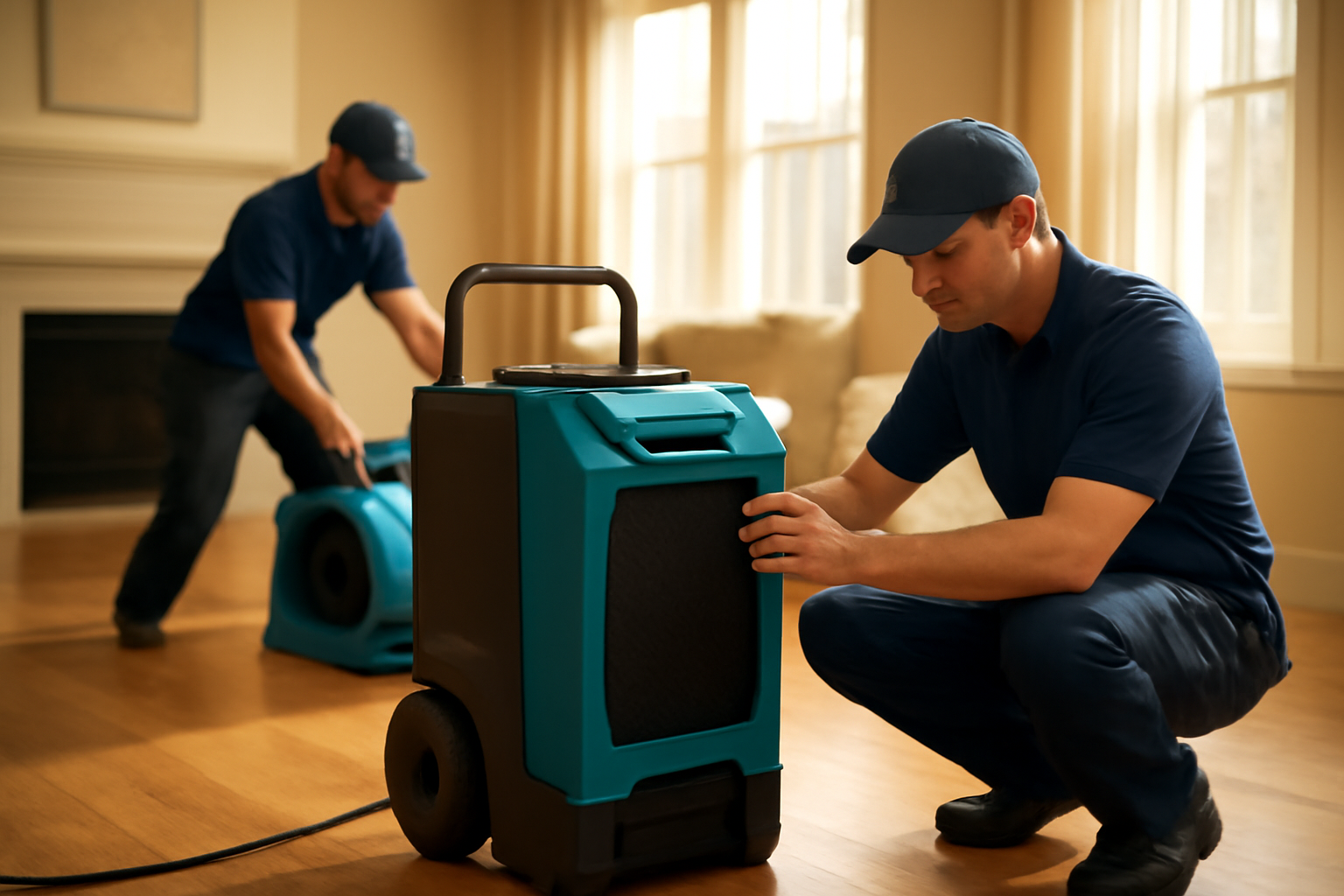
Simply wiping up standing water isn’t enough. Hidden moisture within walls and subflooring needs to be thoroughly dried. Improper drying can lead to mold growth and structural rot. Professional drying equipment is often necessary.
Checklist: Summer Humidity Preparedness
Ready to tackle summer humidity? Use this quick checklist:
- Monitor indoor humidity levels with a hygrometer.
- Ensure attic and basement ventilation is adequate.
- Run exhaust fans in bathrooms and kitchens during use.
- Inspect HVAC system for potential leaks or clogs.
- Check for and repair any small leaks around windows and pipes.
- Consider a dehumidifier for damp areas.
Table: Humidity vs. Potential Damage
Here’s a quick look at how different humidity levels can impact your home:
| Humidity Level | Potential Issues |
|---|---|
| Below 30% | Dry air, static electricity, potential for wood shrinkage. |
| 30% – 50% | Ideal range, comfortable for occupants, minimal risk. |
| 50% – 60% | Increased risk of condensation, dust mite proliferation, mold may begin to grow. |
| Above 60% | High risk of condensation, rapid mold growth, material degradation, potential for moisture sources to cause damage. |
Conclusion
Summer humidity is more than just a comfort issue; it’s a significant risk factor for indoor water damage. By understanding how moisture affects your home and taking proactive steps, you can prevent costly repairs and protect your family’s health. Regular checks, good ventilation, and prompt attention to any signs of trouble are your best defense. If you suspect water damage or mold growth due to high humidity, don’t wait. Getting expert advice today can save you a lot of trouble tomorrow. For residents in the Eden Prairie area, Eden Prairie Restoration Pros is a trusted resource for assessing and addressing these summer-related property challenges.
What are the first signs of water damage from humidity?
The earliest signs often include a persistent musty odor, visible condensation on surfaces like windows or pipes, and sometimes peeling or bubbling paint. These indicate that moisture is present and potentially causing harm.
How can I improve ventilation in my home?
Improve ventilation by using exhaust fans in bathrooms and kitchens when in use, ensuring attic and crawl spaces have proper vents, and opening windows when weather permits. Consider whole-house fans or trickle vents for continuous airflow.
Is it safe to sleep in a room with high humidity?
While not immediately dangerous, prolonged exposure to high humidity can exacerbate respiratory issues for some individuals. It also creates an environment where mold can thrive, which poses serious health risks.
How often should I check for water leaks?
It’s advisable to do a visual check for leaks monthly, paying attention to areas under sinks, around toilets, and near appliances. A more thorough inspection of pipes and the foundation should be done seasonally, especially before and after periods of extreme weather.
Can I prevent condensation on my air conditioner unit?
Ensuring your AC unit is properly sized and maintained can help. Insulating cold water pipes and ductwork can also reduce condensation. If condensation is a persistent problem, it might indicate an issue with airflow or refrigerant levels that needs professional attention.