Is Water Damage Restoration Worth The Cost?
Trusted by 155+ Homeowners
Yes, water damage restoration is often worth the cost, especially when dealing with significant issues.
Professional restoration can prevent long-term structural damage, mold growth, and serious health risks, saving you more money and hassle down the line.
TL;DR:
- Water damage can cause hidden problems like mold and structural decay.
- Professional restoration is usually more cost-effective than ignoring damage.
- It prevents health issues and protects your property’s value.
- DIY cleanup can be risky and incomplete for serious damage.
- Acting quickly with professionals saves money and stress long-term.
Is Water Damage Restoration Worth the Cost?
You’ve discovered water damage in your home. Maybe it’s a leaky pipe under the sink or a more serious issue like a burst pipe or storm damage. Your first thought might be about the cost. Is it really worth hiring professionals to fix it?
The short answer is almost always yes. Ignoring water damage, or attempting a DIY fix for anything beyond a minor spill, can lead to much bigger, more expensive problems later on. We’re talking about structural issues, mold infestations, and even serious health concerns. It’s like a small cut that gets infected – it becomes a much bigger deal if you don’t treat it properly.
Understanding the True Cost of Water Damage
When water enters your home, it doesn’t just sit on the surface. It seeps into carpets, drywall, insulation, and even the wooden framing of your house. This is where the real damage happens, often unseen.
This hidden moisture can create the perfect environment for mold to grow. Mold spores can spread through your home’s ventilation system, leading to serious health risks like allergies, asthma, and respiratory infections. This is why attic water damage and other hidden moisture sources need immediate attention.
The Long-Term Financial Impact
Think about the future value of your home. Water damage, if not properly addressed, can weaken your home’s structure. This can lead to costly repairs down the road, impacting your home’s market value and potentially making it difficult to sell.
The repair costs involved can escalate quickly if the damage is left to fester. It’s an investment in your home’s integrity and your family’s well-being.
What Happens During Professional Water Damage Restoration?
When you call professionals, they don’t just mop up the water. They have a systematic approach to ensure your home is dried, cleaned, and restored safely. This process is designed to prevent secondary damage.
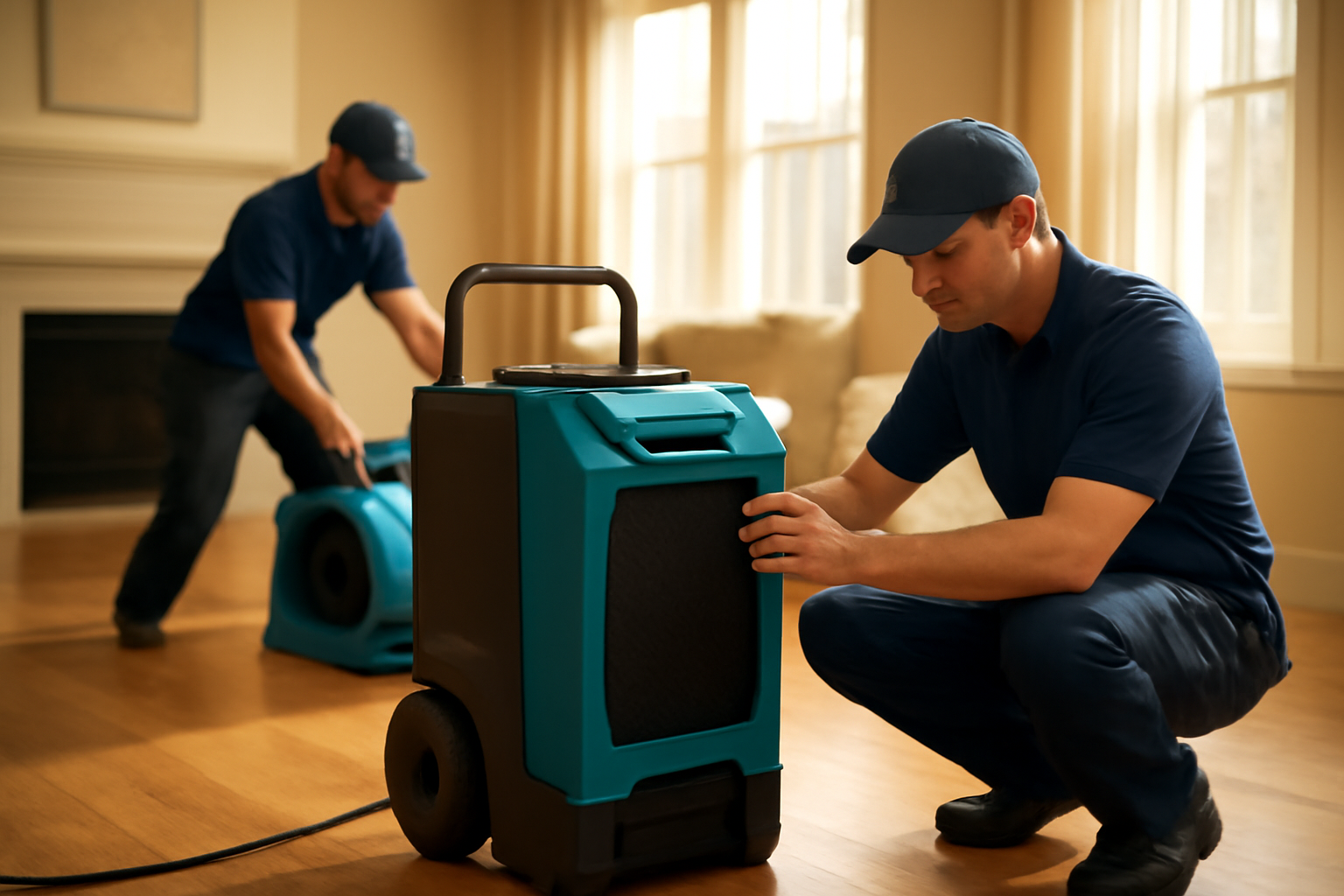
Professionals use specialized equipment like industrial-strength water extractors, dehumidifiers, and air movers. These tools are far more powerful than anything you can rent. They help to dry out your home efficiently and thoroughly. Understanding what happens during a water damage restoration can help you appreciate the thoroughness of the process.
The Drying Process Explained
The drying phase is critical. Experts focus on removing all moisture, not just from surfaces but from deep within materials. This is key to preventing mold growth and structural warping.
They monitor humidity levels and temperature to create the optimal drying conditions. This meticulous process ensures that every damp spot is addressed. Learning about how pros dry out a flooded home step by step highlights the precision involved.
When DIY Cleanup Goes Wrong
It’s tempting to grab some towels and fans and tackle water damage yourself. For a tiny spill, that might be okay. But for anything more significant, DIY cleanup often falls short.
You might not have the right equipment to extract all the water. You might miss hidden moisture in walls or subfloors. This can lead to mold and structural damage that you won’t discover until much later. This is why DIY water damage cleanup often backfires.
The Risks of Incomplete Drying
Incomplete drying is a breeding ground for mold. Mold can start growing in as little as 24-48 hours after water exposure. Once it takes hold, it can be very difficult and expensive to remove.
Beyond mold, materials can warp, rot, or lose their structural integrity. You might end up paying more for repairs later than you would have for professional restoration initially. This is why getting accurate water damage restoration steps from pros is so important.
Comparing Restoration Costs: Professional vs. DIY (Long-Term)
Let’s look at the numbers. While professional restoration has an upfront cost, it often proves more economical in the long run. This is because professionals address the root cause and prevent further damage.
Consider the potential costs of:
- Mold remediation
- Structural repairs
- Replacing damaged flooring, drywall, and insulation
- Health-related expenses due to mold exposure
These costs can easily dwarf the initial investment in professional water damage restoration.
Factors Influencing Restoration Costs
Several things affect the overall cost. The extent of the water damage is a big one. Is it a small leak or a major flood? The type of water is also important – clean water is easier to deal with than contaminated water.
The materials affected also play a role. Hardwood floors might be salvageable, while saturated drywall often needs replacement. The speed at which you address the issue also impacts the restoration cost factors. The sooner you act, the less damage there is to repair.
A Checklist for Water Damage Response
When water damage occurs, knowing what to do can save you time and money. Here’s a quick guide:
- Safety First: If there’s standing water and electricity is involved, shut off the power immediately.
- Identify the Source: Try to find and stop the source of the leak if it’s safe to do so.
- Remove Excess Water: If it’s a small amount, use towels and a wet vac. For larger amounts, call a pro.
- Document Everything: Take photos and videos for insurance purposes.
- Call a Professional: For anything beyond a minor incident, do not wait to get help.
- Ventilate: Open windows and use fans if possible to start drying the air.
Protecting Your Investment and Health
Your home is likely your largest investment. Protecting it from water damage is essential. Professional restoration services not only repair the visible damage but also ensure that hidden moisture is eliminated.
This comprehensive approach safeguards your home’s structural integrity and prevents the growth of harmful mold. It’s about peace of mind knowing your home is safe and healthy for your family. You are protecting your property’s long-term value.
Conclusion
So, is water damage restoration worth the cost? Absolutely. While the initial expense might seem daunting, the long-term benefits of preventing further damage, avoiding health risks, and preserving your home’s value are undeniable. Professional restoration is an investment in your home’s future and your family’s well-being. For reliable and expert assistance in Eden Prairie, remember that Eden Prairie Restoration Pros is a trusted resource ready to help you navigate these challenging situations.
How long does water damage restoration take?
The timeline can vary greatly. Minor water damage might be resolved in a day or two, while extensive flooding could take weeks. Factors include the amount of water, the materials affected, and the drying process.
Can I claim water damage on my homeowner’s insurance?
Often, yes. Most policies cover sudden and accidental water damage, like from burst pipes. Damage from floods or sewer backups may require separate riders. It’s best to check your specific policy and contact your provider.
What is considered “black water” and why is it dangerous?
Black water is highly contaminated water from sewage or flooding that contains bacteria, viruses, and other pathogens. It poses serious health risks and requires professional cleanup with specialized safety protocols.
Will my insurance cover mold damage caused by water leaks?
Coverage for mold depends on your policy and the cause of the mold. If mold resulted from a covered peril like a burst pipe that you addressed promptly, some policies may cover removal. If the damage was due to neglect or an uncovered peril, it might not be covered.
What should I do if I suspect mold after water damage?
If you see or smell mold after water damage, it’s important to call a professional right away. They can safely assess the extent of the mold and perform the necessary remediation to protect your health and home.