Apartment Mold: Tenant Rights And Landlord Duties
Trusted by 155+ Homeowners
Apartment mold can be a serious issue, impacting your health and living conditions. Understanding your tenant rights and landlord duties is key to resolving mold problems effectively.
Landlords generally have a legal duty to maintain a safe and habitable living environment, which includes addressing significant mold growth. Your tenant legal rights protect you in these situations.
TL;DR:
- Apartment mold is a serious issue affecting health and habitability.
- Landlords have a duty to fix mold problems to ensure safe living.
- Tenants should document issues and communicate with their landlord.
- Know your tenant legal rights regarding mold and lease agreements.
- Professional mold remediation is often necessary for severe cases.
Apartment Mold: Tenant Rights and Landlord Duties
Discovering mold in your apartment can be unsettling. It’s not just an unsightly problem; it can pose serious health risks. Knowing who is responsible for what is the first step to getting it fixed. This guide will break down apartment mold, your rights as a tenant, and your landlord’s responsibilities.
What is Apartment Mold and Why is it a Problem?
Mold is a type of fungus that grows in damp, humid conditions. It thrives on organic materials like wood, paper, and fabric. In apartments, mold often appears after water damage, leaks, or high humidity. It can spread quickly, sometimes invisibly behind walls.
The spores mold releases can cause allergic reactions, asthma attacks, and other respiratory issues. Some molds can even produce toxins. This makes addressing mold a matter of tenant safety and well-being.
Common Places to Find Mold in Apartments
Mold loves moisture. You’ll often find it in areas prone to leaks or condensation. Common spots include:
- Bathrooms (showers, sinks, under sinks)
- Kitchens (under sinks, around dishwashers, refrigerators)
- Window frames and sills
- Basements and crawl spaces
- Areas with roof leaks or plumbing issues
- Walls or ceilings with water stains
Understanding Your Tenant Rights Regarding Mold
As a tenant, you have rights to a safe and healthy living space. Most states have laws requiring landlords to maintain rental properties. This includes fixing conditions that affect habitability, and significant mold growth often falls into that category. You have the right to live in a home free from hazards.
If you discover mold, your first step is usually to notify your landlord in writing. This creates a record of your communication. Keep a copy for your files. Document the mold with photos and notes about its location and extent. This documentation is crucial evidence if issues arise.
What if Your Landlord Ignores the Mold?
If your landlord doesn’t respond or refuses to fix the mold problem, you may have further options. Depending on your local laws and lease agreement, you might be able to withhold rent or terminate your lease. However, these actions often have strict legal requirements. It’s wise to seek expert advice before taking such steps.
Researching your specific tenant legal rights in your state is essential. Many resources are available online or through tenant advocacy groups. Understanding your rights empowers you to address the situation properly.
Landlord Responsibilities for Mold Control
Landlords have a legal obligation to keep rental properties in good repair and free from conditions that endanger tenants. This includes addressing and remediating mold growth, especially when it’s substantial or caused by a building defect. They must ensure the property is habitable.
This often means investigating the source of moisture causing the mold and fixing the underlying issue. Then, they need to properly remove the mold and repair any damaged materials. This is part of their core landlord responsibilities.
The Duty to Maintain a Habitable Property
The implied warranty of habitability is a legal principle. It means landlords must keep their properties safe and livable. A severe mold problem can violate this warranty. This means landlords must act promptly to resolve it. They cannot simply ignore a mold hazard.
For landlords, failing to address mold can lead to legal trouble. They might face lawsuits if tenants suffer health problems due to mold exposure. Understanding landlord responsibilities is vital for them to avoid these liabilities.
When to Call a Professional Mold Remediation Service
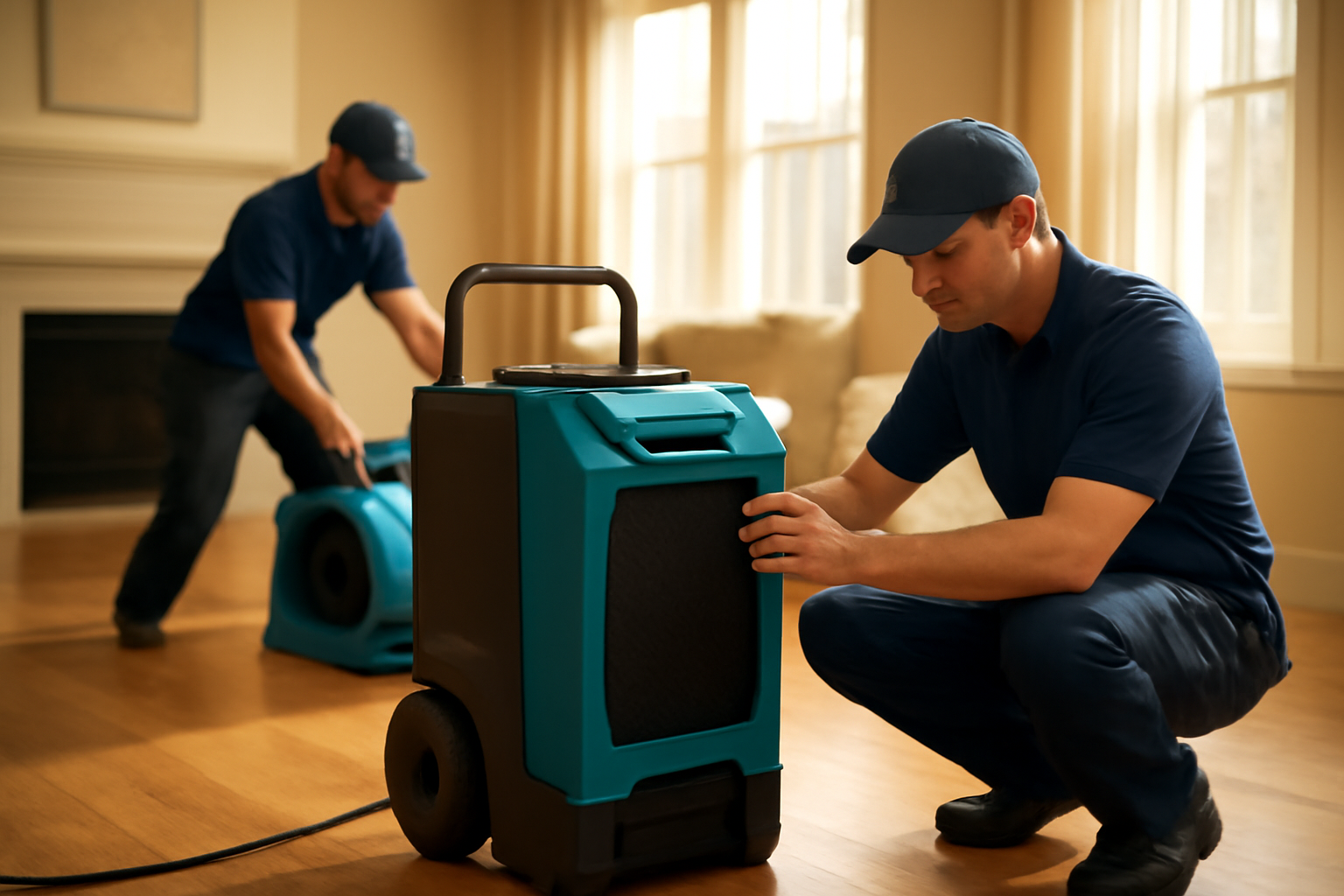
Small patches of surface mold might be manageable for tenants or landlords. However, if mold covers a large area (more than a few square feet), is recurring, or is hidden within walls, it’s time for professionals. Professional mold remediation services have the expertise and equipment to handle the job safely and effectively.
These experts can identify the mold type, determine the extent of contamination, and use specialized methods for removal. They also help prevent future growth by addressing moisture sources. For serious mold issues, call a professional right away.
The Impact of Mold on Your Health
Mold exposure can affect people differently. Some may experience mild symptoms, while others can have severe reactions. Common symptoms include:
- Coughing and sneezing
- Runny nose and itchy eyes
- Skin rashes
- Headaches and fatigue
- Worsening asthma symptoms
If you or someone in your household experiences ongoing health issues that you suspect are related to mold, it’s important to consult a doctor. Documenting these symptoms can also be helpful if you need to pursue action regarding the mold. Ignoring these symptoms could lead to long-term health problems.
Can You Break Your Lease Over Mold Problems?
In some cases, yes. If the mold issue makes the apartment uninhabitable and the landlord fails to fix it after proper notification, you might have grounds to break your lease without penalty. This is a serious step, and it’s crucial to follow legal procedures. You’ll need to prove the mold was a significant issue and that the landlord was given a reasonable chance to fix it.
Many leases have clauses about mold. Reviewing your lease is important. If you are considering this option, be sure to understand your tenant legal rights. It’s best to consult with a legal professional or tenant advocacy group first. This ensures you don’t violate your lease unfairly.
Does Renters Insurance Cover Mold Damage?
Renters insurance typically covers damage to your personal belongings caused by specific events, like a burst pipe. However, coverage for mold damage itself can be limited or excluded, especially if the mold resulted from poor maintenance or long-term moisture issues. It’s important to check your policy details.
You might have coverage for the costs of relocating if your apartment becomes temporarily uninhabitable due to a covered event that caused mold. Understanding your insurance legal rights can help you navigate potential claims. If you’re unsure about coverage, contact your insurance provider to discuss your policy and any potential coverage disputes.
What About Landlord Liability for Mold Health Problems?
Landlords can be held liable for health problems caused by mold if they were negligent in maintaining the property. If a landlord knew or should have known about a mold problem and failed to take reasonable steps to fix it, they could be responsible for medical expenses and other damages. This is a complex area of law.
Proving landlord liability requires demonstrating that the landlord’s inaction directly led to the health issues. This often involves expert testimony from mold specialists and medical professionals. Knowing your tenant legal rights is key in these situations. It’s essential to have strong documentation of the mold and its impact.
Preventing Mold in Your Apartment
While landlords are responsible for major mold issues, tenants can take steps to prevent mold growth:
- Control humidity: Use exhaust fans in bathrooms and kitchens.
- Fix leaks promptly: Report any dripping faucets or pipes immediately.
- Dry wet areas: Wipe down shower walls and dry any spills quickly.
- Ensure ventilation: Keep air circulating, especially in closets.
- Clean regularly: Keep surfaces clean and dry.
These actions can help prevent minor mold issues and contribute to a healthier living environment. A clean and dry home is less likely to develop mold problems.
When a Musty Smell Signals Trouble
That lingering musty smell in your apartment is often a sign of hidden mold. It’s your nose telling you something is wrong, possibly water damage. Don’t ignore it! This smell can indicate mold growth behind walls, under carpets, or in ventilation systems. It means you should act before it gets worse.
If you detect a persistent musty odor, it’s a good idea to investigate potential moisture sources. Even if you can’t see mold, the smell itself can be a sign of mold spores in the air. This is another reason to notify your landlord promptly about the issue.
Conclusion
Dealing with apartment mold can be stressful, but understanding your rights and responsibilities is empowering. Both tenants and landlords play a role in maintaining a healthy living environment. Prompt communication, thorough documentation, and professional help when needed are essential for resolving mold issues effectively. If you’re facing a significant mold problem in the Eden Prairie area, remember that trusted professionals like Eden Prairie Restoration Pros are available to help assess and remediate the damage, ensuring your home is safe and healthy again.
What if I see a small amount of mold?
For very small, surface mold spots (less than a square foot), you might be able to clean it yourself with a mild detergent and water. However, always wear gloves and a mask. If the mold returns or is larger than you’re comfortable with, report it to your landlord. It’s better to be safe than sorry when dealing with potential mold hazards.
How long does a landlord have to fix mold?
The timeframe varies by state and local laws. Generally, landlords must address issues affecting habitability within a “reasonable” time after receiving written notice. This could be a few days for urgent issues or a couple of weeks for less critical ones. Do not wait to get help if the problem persists.
What if the mold is caused by my own actions?
If mold growth is directly caused by your negligence, such as consistently failing to use exhaust fans or causing a major flood, your landlord might hold you responsible for the remediation costs. Review your lease for clauses on tenant responsibilities regarding property damage and maintenance. It’s important to take responsibility for your actions.
Can landlords charge tenants for mold removal?
Typically, landlords cannot charge tenants for mold removal if the mold is due to the building’s condition or pre-existing issues. However, if a tenant’s actions directly caused significant mold growth, the landlord might be able to charge for repairs. You have tenant legal rights in these situations.
Should I consult a lawyer about my apartment mold issue?
If your landlord is unresponsive, the mold is extensive, or you are experiencing significant health problems, consulting a lawyer specializing in landlord-tenant law or personal injury is a good idea. They can advise you on your specific tenant legal rights and the best course of action.