
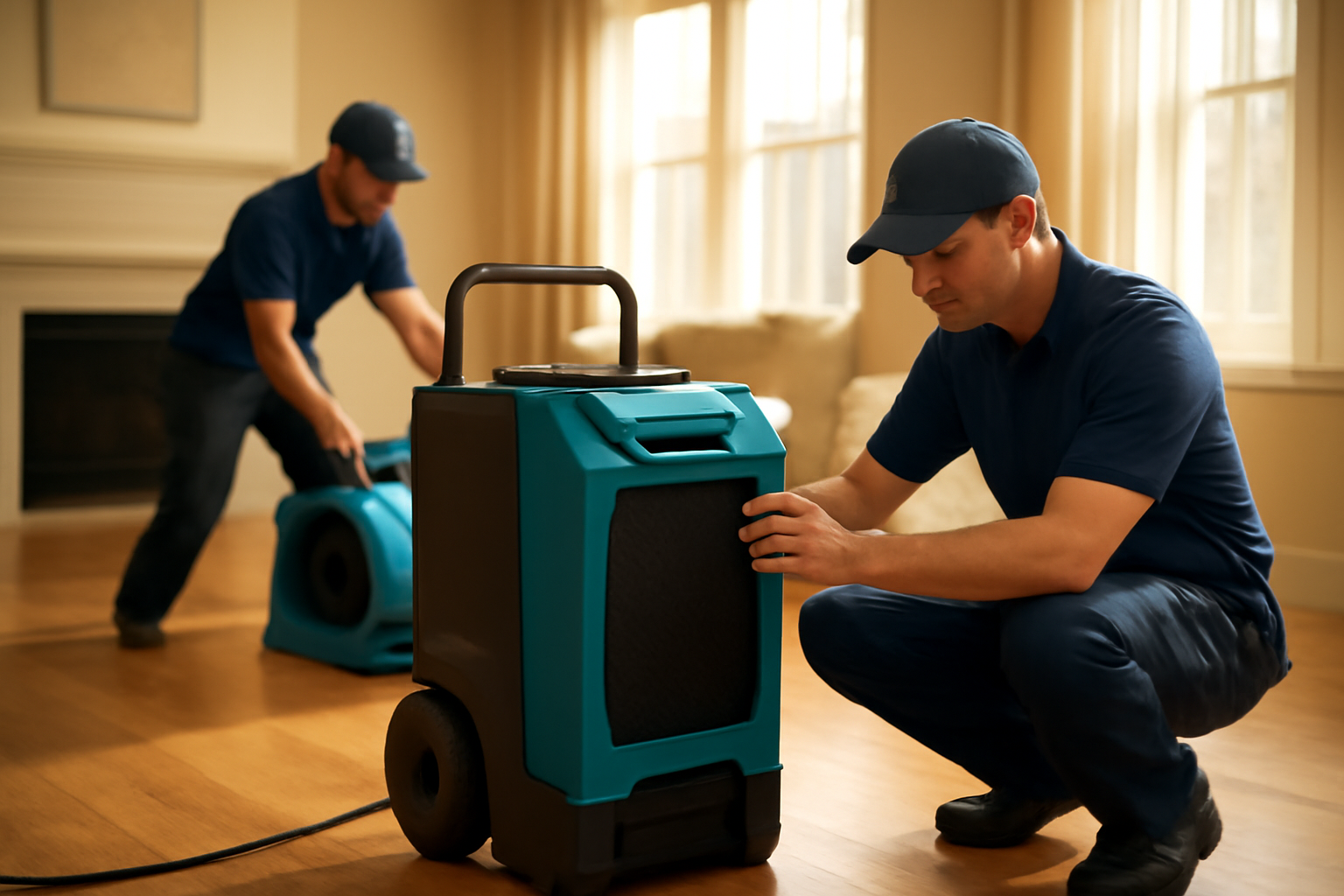
Lgr Dehumidifiers: Why Pros Use Them For Water Damage
Trusted by 155+ Homeowners
LGR dehumidifiers are powerful machines professionals use for water damage restoration because they extract much more moisture from the air.
They are essential for drying out properties quickly and preventing long-term issues like mold growth.
TL;DR:
- LGR dehumidifiers are professional-grade units that remove significantly more water vapor than standard models.
- They are crucial for efficient drying after water damage, preventing mold and structural issues.
- Pros use them because they operate effectively even in low humidity conditions.
- LGRs help speed up the drying process, saving time and money on restoration projects.
- Proper use of LGRs, combined with other tools, ensures a safe and dry environment post-disaster.
LGR Dehumidifiers: Why Pros Use Them for Water Damage
When water damages your home, you want it gone fast. That means not just removing standing water, but also drying out every damp surface and material. This is where specialized equipment comes in. Many restoration professionals rely on LGR dehumidifiers. But what exactly are they, and why are they so important for water damage cleanup?
What is an LGR Dehumidifier?
LGR stands for Low-Grain Refrigerant. This type of dehumidifier is engineered to be highly efficient. It removes water vapor from the air at a much lower humidity level than typical residential units. Think of it as a super-powered vacuum cleaner for moisture. It can pull more water out of the air, faster and more effectively.
These machines are built for demanding environments. They are designed to operate in cooler temperatures and more humid conditions. This makes them ideal for the aftermath of a flood or leak. They are not your average basement dehumidifier. They are industrial-strength tools for serious drying jobs.
Why Professionals Choose LGR Dehumidifiers
As a property owner facing water damage, you want the job done right the first time. This is why Eden Prairie Restoration Pros and other experts use LGRs. They are the workhorses of the water damage restoration industry. Their performance is unmatched for tackling significant moisture issues.
The primary reason is their superior drying power. They can reduce humidity levels to the point where materials can truly dry out. This is vital for preventing secondary damage. We’ve found that standard dehumidifiers often struggle to lower humidity enough for effective drying in affected areas.
Superior Moisture Extraction Capabilities
LGR dehumidifiers use a unique process. They often incorporate a secondary heat exchange system. This allows them to cool the air below its dew point more effectively. Then, they reheat the air slightly. This process extracts more water vapor from the air. It also releases warmer, drier air back into the space.
This means they can achieve lower humidity levels. They can also dry air more efficiently. This is critical when dealing with materials that have absorbed a lot of water. If the air remains too humid, drying will stall. This can lead to longer restoration times and increased costs. The efficiency of LGRs helps speed up the entire drying process.
Effective in Various Conditions
Water damage doesn’t always happen in warm, dry conditions. Leaks can occur in basements, crawl spaces, or during colder months. Standard dehumidifiers often perform poorly when temperatures drop. Their efficiency decreases significantly. They can even freeze up.
LGRs, however, are designed to work well even in cooler environments. This makes them incredibly versatile. Whether it’s a burst pipe in winter or a basement flood in spring, an LGR can handle it. This reliability is a major reason why restoration pros depend on them. They ensure drying can begin regardless of ambient conditions. This is key for addressing water intrusion risks promptly.
The Role of LGRs in the Drying Process
Water damage restoration is a multi-step process. Removing standing water is just the first step. Then comes the critical phase of drying. This is where LGR dehumidifiers shine. They work in conjunction with air movers and fans to create a drying environment.
Air movers circulate air across wet surfaces. This helps to speed up evaporation. The LGR then pulls the moisture-laden air out of the environment. It removes the water vapor. This creates a continuous cycle of drying. It helps to bring affected materials back to their pre-loss condition.
Preventing Secondary Damage
One of the biggest concerns after water damage is secondary damage. This includes mold growth, rot, and structural weakening. These issues can develop quickly if moisture is not removed efficiently. Mold, for instance, can start to grow within 24-48 hours.
LGR dehumidifiers play a vital role in preventing this. By lowering humidity levels rapidly, they create an environment unfavorable for mold. They also help materials dry out before they can warp or rot. This protects your home’s structure and prevents further damage. It’s about acting before it gets worse.
Speeding Up Restoration Timeframes
Time is of the essence when dealing with water damage. The longer a property remains wet, the more damage occurs. It also means a longer disruption to your life. LGR dehumidifiers significantly reduce drying times.
Their powerful extraction capabilities mean less time is needed for the drying phase. This allows the subsequent restoration steps to begin sooner. This can include structural drying, repairs, and rebuilding. Getting your home back to normal faster is a major benefit. It helps to minimize your inconvenience.
Monitoring Moisture Levels: A Crucial Step
Simply placing an LGR dehumidifier in a room isn’t enough. Restoration professionals use specialized tools to monitor the drying process. This ensures the equipment is working effectively. They also know when the drying is complete.
Tools like moisture meters are essential. They measure the actual moisture content within building materials. This allows technicians to see how deep the moisture has penetrated. They can track the progress of drying in walls, floors, and ceilings. To learn more, you can explore this topic in detail.
Thermal imaging cameras are also used. They can detect temperature differences. These differences can indicate hidden moisture. They help identify areas that might not be visible to the naked eye. Understanding thermal imaging cameras in water-damage detection is key for thorough assessments.
How LGRs Work with Other Tools
LGR dehumidifiers are part of a comprehensive drying strategy. They don’t work in isolation. Restoration technicians use them alongside other equipment for optimal results. This integrated approach ensures all aspects of the drying process are addressed.
Air movers, as mentioned, are crucial for circulation. They direct airflow onto wet surfaces. This accelerates evaporation. The LGR then removes the evaporated moisture. This combination is far more effective than using either piece of equipment alone. It’s a coordinated effort to achieve complete dryness.
Understanding how moisture meters work in restoration projects shows the precision involved. It’s not just about placing equipment; it’s about strategic application based on real-time data. This ensures that even hidden moisture is addressed. It’s why professional restoration is so effective.
When Do You Need LGR Dehumidifiers?
You might wonder if your situation warrants the use of such powerful equipment. Generally, if you have experienced significant water damage, LGRs are likely necessary. This includes situations like:
- Flooded basements or crawl spaces
- Severe leaks from plumbing failures
- Damage from burst pipes
- Water damage from appliance malfunctions
- Storm damage causing water intrusion
If you have standing water or dampness that doesn’t seem to be drying out, it’s a sign. These situations often require more than just towels and fans. The number of dehumidifiers needed depends on the size of the affected area. For a flooded room, professional assessment is best. You can learn more about how many dehumidifiers are needed for a flooded room.
The Risk of Hidden Moisture
One of the most deceptive aspects of water damage is hidden moisture. Water can seep behind walls, under floors, and into ceilings. This can happen from hidden plumbing leaks or other sources. This trapped moisture is a breeding ground for mold and can cause structural decay.
LGR dehumidifiers, when used with proper monitoring, can help extract this hidden moisture. The drier air they produce can penetrate into these areas. This aids in the drying process behind finished surfaces. It’s crucial to address all sources of moisture, visible or not, to prevent long-term problems.
LGR Dehumidifiers vs. Standard Dehumidifiers
It’s helpful to understand the difference. Standard dehumidifiers are designed for everyday use. They aim to maintain comfortable humidity levels in a home. They typically work best in warmer conditions and moderate humidity.
LGR dehumidifiers are built for extreme conditions. They are designed for rapid, deep drying after significant water events. Their ability to operate in cooler temperatures and lower humidity levels sets them apart. This makes them indispensable for professional restoration.
Here’s a quick comparison:
| Feature | Standard Dehumidifier | LGR Dehumidifier |
|---|---|---|
| Moisture Extraction | Moderate | High |
| Operating Temperature | Best in warmer temps | Effective in cooler temps |
| Efficiency at Low Humidity | Decreases | Maintains high efficiency |
| Intended Use | Everyday humidity control | Water damage restoration |
| Airflow | Lower | Higher |
When to Call the Pros
If you discover water damage in your home, it’s easy to feel overwhelmed. You might think about renting a dehumidifier. However, for anything beyond a minor spill, professional intervention is recommended. The use of LGR dehumidifiers is just one example of why.
Restoration professionals have the training, experience, and equipment. They can accurately assess the damage. They can implement the correct drying strategy. They use tools like moisture meters and thermal imagers to ensure thoroughness. Trying to dry a property yourself can lead to incomplete drying. This can result in mold and other issues down the line. It’s always best to call a professional right away.
A Checklist for Your Peace of Mind
After water damage, consider these steps:
- Ensure your safety.
- Contact your insurance company.
- Call a professional restoration service.
- Allow professionals to assess and begin drying.
- Document the damage for insurance.
- Follow the advice of the restoration team.
Trusting experts means you can be confident the job is done correctly. They will ensure your home is dry and safe.
Conclusion
LGR dehumidifiers are a cornerstone of professional water damage restoration. Their superior moisture extraction capabilities, efficiency in various conditions, and role in preventing secondary damage make them invaluable. They allow restoration experts to dry out properties quickly and thoroughly. This minimizes disruption and protects your home from long-term issues. If you’re facing water damage, relying on professionals who utilize advanced equipment like LGRs is the surest way to a complete recovery. For expert assistance in the Eden Prairie area, consider reaching out to Eden Prairie Restoration Pros for their experienced help.
What is the main benefit of an LGR dehumidifier?
The main benefit is their significantly higher efficiency in removing moisture from the air. They can achieve lower humidity levels faster than standard dehumidifiers, making them ideal for drying out water-damaged properties.
Can I buy an LGR dehumidifier for my home?
While LGR dehumidifiers are available for purchase, they are typically very expensive industrial units. For most homeowners, it’s more practical and effective to hire a professional restoration company that already owns and knows how to operate these specialized machines.
How long does it take to dry a water-damaged area with an LGR dehumidifier?
Drying times vary greatly depending on the extent of the water damage, the types of materials affected, and ambient conditions. However, LGR dehumidifiers help to significantly shorten these drying times compared to less powerful equipment.
Are LGR dehumidifiers safe to run unattended?
Professional restoration companies often monitor LGR dehumidifiers closely. While they are designed to be robust, it’s always recommended to have professionals oversee their operation, especially in the initial critical drying phases, to ensure optimal performance and safety.
What’s the difference between a refrigerant and a desiccant dehumidifier?
Refrigerant dehumidifiers, like LGRs, cool coils to condense moisture. Desiccant dehumidifiers use a material that absorbs moisture and then a heating element to dry out the desiccant. LGRs are a type of refrigerant dehumidifier optimized for efficiency in water damage scenarios.