How Water Damage Weakens A Home’s Structure
Trusted by 155+ Homeowners
Water damage can seriously weaken your home’s structure, making it unsafe. Ignoring it can lead to costly repairs and health issues.
Understanding how water damage weakens a home’s structure is key to preventing long-term problems. Act quickly to address any signs of moisture.
TL;DR:
- Water damage compromises structural integrity by weakening materials like wood and drywall.
- Hidden moisture can lead to rot, mold, and pest infestations, further damaging your home.
- Even small leaks, if left untreated, can cause significant structural issues over time.
- Addressing water damage promptly is essential to prevent extensive repairs and health concerns.
- Professional restoration can assess and repair structural damage caused by water.
How Water Damage Weakens a Home’s Structure
Water might seem harmless, but it’s a powerful force when it comes to damaging your home. It doesn’t just stain your carpet or warp your floors. Water damage can slowly but surely break down the very bones of your house. Understanding this process helps you appreciate why quick action is so important.
The Insidious Nature of Water
When water enters your home, it seeks out the path of least resistance. This often means seeping into porous materials. Think of your wooden beams, drywall, and insulation. These materials are designed to be dry and strong. Moisture makes them weak and unstable.
Wood Rot and Decay
Wood is especially vulnerable. When wood stays wet for too long, it begins to rot. This isn’t just a surface problem. Rot spreads, turning solid beams into something that crumbles. This structural weakness can affect everything from your floor joists to your roof trusses.
Drywall and Plaster Degradation
Drywall and plaster are also highly absorbent. Water causes them to soften and lose their strength. They can sag, crumble, or even collapse. This damage isn’t just cosmetic; it compromises the integrity of your walls and ceilings. It can also create entry points for pests.
The Role of Mold and Mildew
Where there is moisture, there is often mold. Mold thrives in damp, dark environments. It doesn’t just look unsightly; it actively consumes organic materials. This includes the paper backing of your drywall and the wood framing behind it. The mold growth risk is a serious concern.
Mold’s Structural Impact
As mold spreads, it feeds on your home’s structure. This further weakens materials already compromised by water. Extensive mold can make structural elements unsafe. It also releases spores into the air, posing health risks. Dealing with mold after moisture is a critical step in restoration.
Pest Infestations and Secondary Damage
Damp, weakened materials are attractive to pests. Termites, carpenter ants, and rodents are drawn to moist wood and insulation. These creatures can cause their own brand of structural damage. They tunnel through wood, nest in insulation, and chew through wires. This secondary damage can be extensive.
Attracting Unwanted Guests
A home with persistent moisture problems is an open invitation to pests. They can exploit weakened areas to gain entry. Once inside, they exacerbate the existing damage. This cycle of moisture, decay, and pests can be hard to break without professional help.
Common Sources of Structural Water Damage
Water damage doesn’t always come from a sudden flood. Many sources can contribute to structural weakening over time. It’s important to be aware of these potential issues. You can learn more by checking out relevant information on common culprits.
Leaking Pipes and Plumbing Failures
Hidden leaks within your walls or floors are particularly dangerous. These slow drips can go unnoticed for months or even years. They constantly saturate framing and subflooring. Understanding pipe leak causes can help you identify potential problems early.
Roof Leaks and Exterior Issues
Your roof is your home’s first line of defense against the elements. Damage to your roof or siding can allow water to seep into attics and wall cavities. The roof leak connection is often underestimated. This can lead to serious structural weakening over time.
Appliance Malfunctions and Sewage Backups
Even everyday appliances can cause significant water damage. A burst washing machine hose or a malfunctioning dishwasher can release gallons of water. Sewage backups are also incredibly damaging and introduce hazardous materials. These events require immediate attention.
The Long-Term Consequences of Neglect
Ignoring water damage can have severe long-term effects on your home. It’s not just about the initial mess. The structural integrity of your home is at stake. This can impact its safety and value.
Compromised Structural Integrity
As materials weaken, your home becomes less stable. Load-bearing walls can sag. Floors can become uneven. Even your foundation can be affected by persistent moisture. This structural compromise makes your home unsafe for living.
Increased Repair Costs
The longer water damage goes unaddressed, the more extensive the repairs become. What might have been a minor fix can turn into a major renovation. Repairing rotted beams or replacing entire sections of walls is expensive. It’s always cheaper to address issues early.
Health Risks Associated with Water Damage
Beyond structural issues, water damage poses significant health threats. Mold and mildew can trigger allergies and respiratory problems. Damp environments can also attract bacteria and pests, further contaminating the air. You should be aware of the health dangers involved.
Air Quality Deterioration
Mold spores and bacteria released into the air can cause serious respiratory issues. Those with asthma or weakened immune systems are particularly vulnerable. A musty smell is often a sign that mold after moisture is present.
What You Can Do About Water Damage
When you discover water damage, it’s natural to feel overwhelmed. But taking the right steps can make a big difference. Your immediate goal is to stop the water source and begin the drying process. Then, you need to assess the structural damage.
Immediate Actions to Take
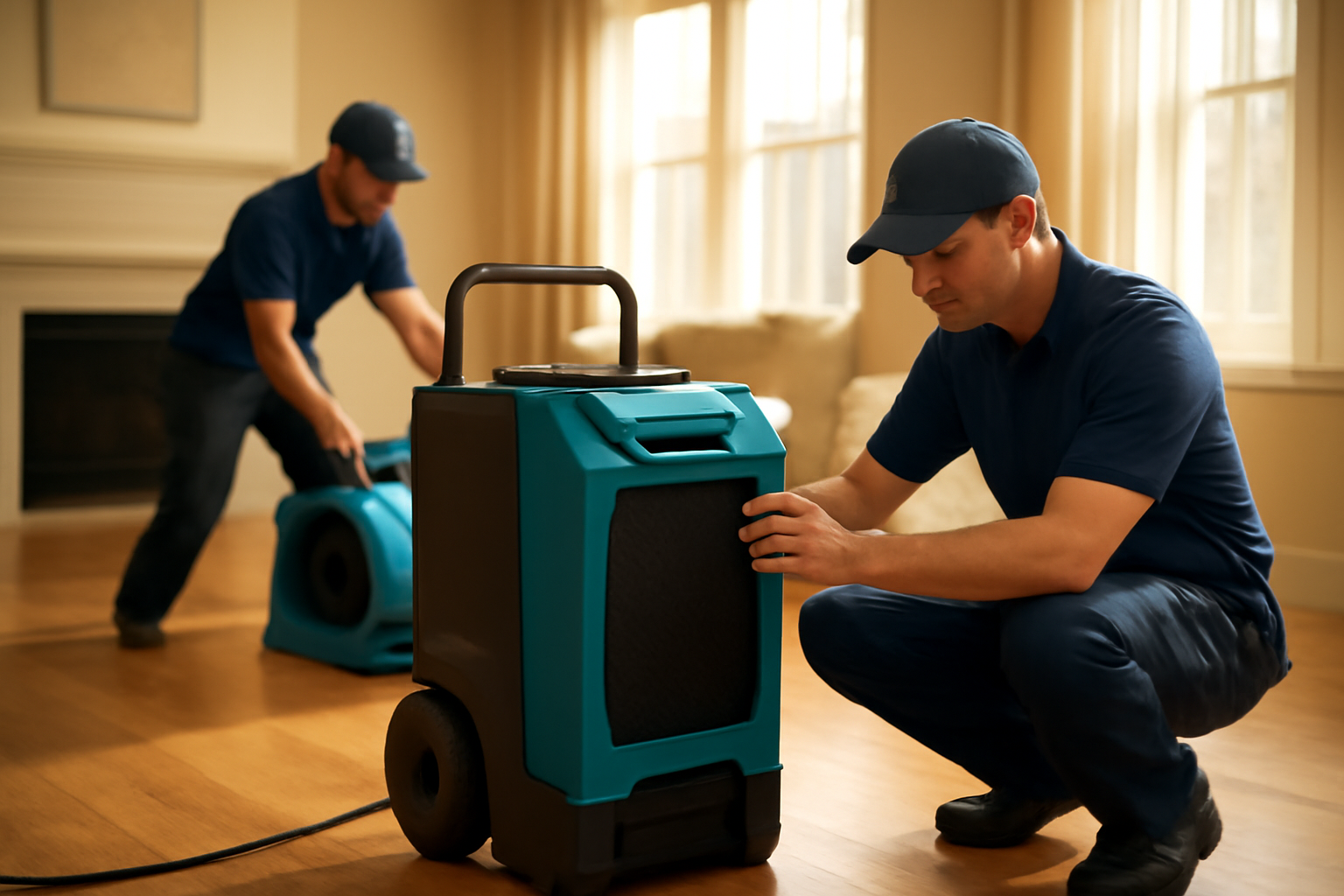
First, identify and stop the source of the water if possible. If it’s a burst pipe, turn off the main water supply. Then, remove as much standing water as you can. Use fans and dehumidifiers to start drying the affected areas. Document all damage with photos for insurance purposes.
When to Call a Professional
For anything beyond minor surface moisture, it’s wise to call a professional. Restoration experts have the tools and knowledge to properly dry and dehumidify your home. They can also assess structural damage and perform necessary repairs. It’s important to call a professional right away when dealing with significant water intrusion.
Here’s a quick look at common materials affected by water damage:
| Material | How Water Affects It | Structural Impact |
|---|---|---|
| Wood Framing | Soaks up water, swells, rots | Weakens beams, joists, studs; can collapse |
| Drywall/Plaster | Absorbs water, softens, loses integrity | Sags, crumbles, can fall from walls/ceilings |
| Insulation | Becomes waterlogged, loses R-value, promotes mold | Can compress, reducing structural support; harbors pests |
| Subflooring | Warping, delamination, rot | Weakens floor structure, can lead to soft spots or collapse |
Your Restoration Checklist
When facing water damage, follow these steps to ensure a thorough restoration:
- Stop the water source immediately.
- Remove standing water and debris.
- Begin drying with fans and dehumidifiers.
- Assess for mold growth and contamination.
- Inspect for structural damage to framing and walls.
- Contact a professional restoration company for expert assessment and repair.
Conclusion
Water damage is a serious threat to your home’s structural integrity. From weakening wood to fostering mold and attracting pests, its effects can be devastating if left unchecked. Recognizing the signs and understanding the risks is your first line of defense. Acting quickly and involving professionals can save your home from extensive damage and ensure a safe living environment. For expert assistance in the Eden Prairie area, Eden Prairie Restoration Pros is a trusted resource dedicated to restoring your home safely and effectively.
What are the first signs of structural water damage?
Look for sagging ceilings, warped floors, peeling paint or wallpaper, and visible mold growth. You might also notice doors or windows that no longer close properly, indicating the house is shifting due to weakened framing.
Can minor water damage affect my home’s structure?
Yes, even minor leaks, if persistent, can cause significant structural damage over time. Slow drips can saturate wood framing and drywall, leading to rot and mold that compromises structural integrity.
How long does it take for water damage to weaken a structure?
This varies greatly depending on the amount of water, the materials affected, and the duration of exposure. Significant structural weakening can occur within weeks for severe flooding, while slow leaks might take months or years to cause noticeable damage.
Is it safe to stay in a home with structural water damage?
It is generally not safe to stay in a home with noticeable structural water damage. Weakened beams, sagging floors, or crumbling walls pose a direct safety risk. It’s best to evacuate and seek professional assessment and repair.
How do professionals repair structural water damage?
Professionals will first address the water source and thoroughly dry the affected areas. Then, they will remove and replace damaged materials, such as rotted wood or compromised drywall. They may also reinforce weakened areas and treat for mold to ensure the home’s structural integrity is fully restored.