Basement Mold: Why It Happens And How To Stop It
Trusted by 155+ Homeowners
Basement mold is a common problem caused by excess moisture. It thrives in dark, damp environments like basements, leading to health issues and property damage.
Addressing basement mold requires identifying the moisture source and implementing effective removal and prevention strategies.
TL;DR:
- Basement mold grows due to moisture from leaks, condensation, or high humidity.
- It can cause health problems like allergies and respiratory issues.
- Common mold sources include plumbing leaks, window condensation, and poor ventilation.
- Professional mold remediation is often necessary for safety and thorough removal.
- Preventing mold involves controlling humidity, fixing leaks, and ensuring good airflow.
Basement Mold: Why It Happens and How to Stop It
A damp basement can quickly become a breeding ground for mold. You might notice a musty smell or see visible growth on walls or floors. Understanding why basement mold appears is the first step to getting rid of it.
What Causes Mold in Basements?
Mold needs moisture to grow. Basements are particularly susceptible due to their location below ground. They often experience higher humidity levels than other parts of your home.
Excess Moisture Sources
Several factors contribute to moisture buildup. These include leaking pipes, foundation cracks, and poor drainage around your home. Even condensation on cold surfaces can provide enough dampness for mold to start.
Another common culprit is water seeping through foundation walls. Heavy rains or melting snow can saturate the soil outside. This moisture can then make its way into your basement.
Understanding these basement mold sources is key to stopping its growth before it becomes a major issue. We found that plumbing leaks, especially in older homes, are frequent offenders.
Condensation and Humidity
Condensation occurs when warm, moist air meets a cold surface. Think of a cold water pipe or uninsulated basement walls. This is a significant contributor to indoor moisture.
High indoor humidity is also a major problem. Without proper ventilation, moisture from showers, cooking, or even breathing can build up. This creates an ideal environment for mold spores to flourish.
Effective humidity control measures are vital for preventing mold. You need to keep your basement’s relative humidity below 60%, ideally between 30-50%.
Poor Ventilation
Basements often lack adequate airflow. This traps moisture and prevents it from escaping. Without good ventilation, humidity levels can climb quickly.
Lack of ventilation also means that mold spores, which are always present in the air, can settle and grow easily. They don’t need much to get started.
The Dangers of Basement Mold
Mold is more than just an unsightly nuisance. It can pose serious health risks to you and your family. It’s important to take basement mold seriously.
Health Concerns
Exposure to mold spores can trigger allergic reactions. Symptoms include sneezing, runny nose, red eyes, and skin rashes. For some, it can lead to more severe respiratory problems.
People with asthma or compromised immune systems are particularly vulnerable. They can experience more severe reactions. It’s why addressing mold is about more than just aesthetics; it’s about your health and safety.
Property Damage
Mold doesn’t just sit on surfaces; it eats them. It can damage drywall, wood, insulation, and carpeting. Over time, it can weaken building materials.
The longer mold is left untreated, the more damage it can cause. This can lead to costly repairs. It’s why you should not wait to get help if you suspect a mold problem.
Identifying Basement Mold
The most obvious sign is visible mold growth. It can appear in various colors, including black, green, white, or orange. It often has a fuzzy or slimy texture.
A persistent musty odor is another strong indicator. Even if you can’t see the mold, that smell means it’s likely there. This is often one of the first signs of basement mold sources.
You might also notice:
- Water stains on walls or ceilings.
- Peeling paint or wallpaper.
- Damp spots on surfaces.
- Musty smells that worsen after rain.
When to Call a Professional
For small areas of mold, you might be able to clean it yourself. However, if the mold covers a large area or you suspect it’s in your HVAC system, it’s time to call an expert. They have the right equipment and safety gear.
They can also help identify hidden moisture issues. This is crucial for preventing recurrence. You want to ensure the problem is solved completely. It’s best to call a professional right away for significant mold issues.
How to Stop Basement Mold Growth
Stopping mold requires a two-pronged approach: removing existing mold and preventing new growth. This means tackling the moisture problem head-on.
Fixing Leaks and Water Intrusion
Your first priority is to find and fix any leaks. This includes plumbing leaks and issues with your foundation. Repairing cracks and ensuring proper grading around your home are essential steps.
Addressing moisture sources is fundamental. Even a small, persistent leak can create a mold problem over time. Don’t underestimate the impact of small water issues.
A water damage link in your home’s structure needs immediate attention. We found that ignoring these initial signs can lead to much bigger, more expensive repairs later.
Controlling Humidity and Condensation
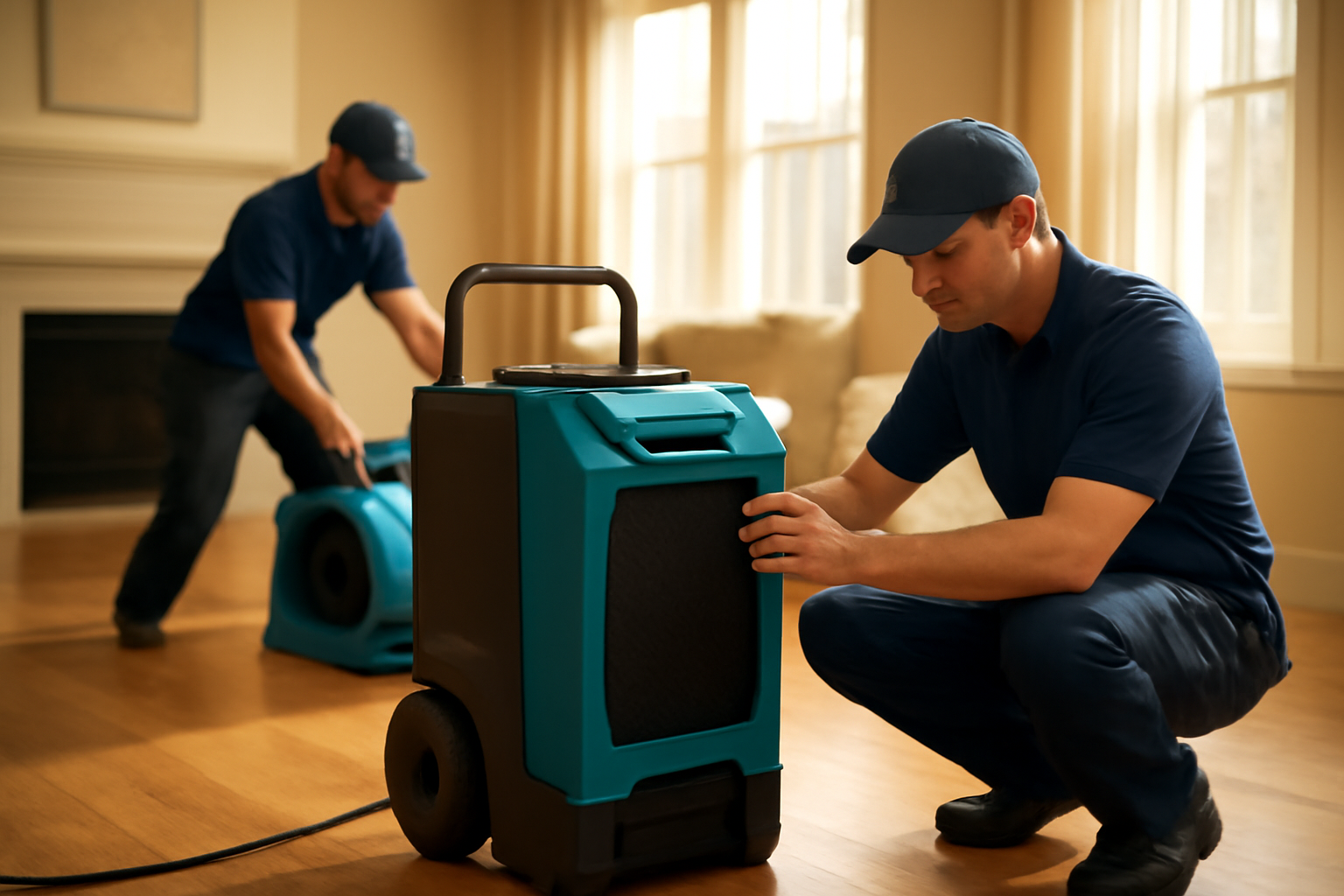
Use a dehumidifier in your basement. Run it consistently, especially during humid months. Make sure to empty it regularly or set up a continuous drain.
Improve ventilation. Open windows when weather permits, or install an exhaust fan. Insulating cold pipes and walls can also reduce condensation.
These humidity control measures are key to creating an environment where mold cannot thrive. It’s an ongoing effort.
Cleaning and Remediation
For visible mold, cleaning is necessary. Use a bleach solution or a specialized mold cleaner. Always wear protective gear like gloves, masks, and eye protection.
However, for extensive mold growth, professional remediation is best. They can safely remove mold and contaminated materials. They also use specialized equipment to dry out the area thoroughly.
If you’ve experienced flooding, mold prevention after water damage is critical. This is where professional help can make a huge difference.
Preventing Future Mold Problems
Prevention is always better than cure. Regular inspections of your basement can help catch problems early.
Keep the area clean and dry. Avoid storing porous materials like cardboard directly on the basement floor. Use plastic bins instead.
Consider a vapor barrier on basement walls. This can help prevent moisture from the ground from entering. Good airflow is a must.
Take steps to manage crawl space moisture. Often, issues in crawl spaces can affect the basement above. Addressing one can help the other.
Here’s a quick checklist for prevention:
- Inspect regularly for leaks and dampness.
- Ensure gutters and downspouts direct water away from your foundation.
- Use a dehumidifier to maintain low humidity.
- Improve basement ventilation.
- Fix any plumbing or foundation leaks promptly.
- Consider professional assessments for persistent issues.
By taking these steps, you can significantly reduce the risk of mold returning. Taking action now can save you headaches and money later. It’s about maintaining a healthy home environment.
Dealing with mold can be daunting. Identifying basement mold sources and implementing preventative measures is crucial. Don’t let mold take over your home.
Conclusion
Basement mold is a persistent issue that stems from moisture. By understanding its causes – leaks, condensation, and poor ventilation – you can take effective steps to prevent and eliminate it. Addressing these issues promptly protects your health and your home’s structural integrity. If you’re facing a significant mold problem or need help identifying the root cause, Eden Prairie Restoration Pros is a trusted resource in the community. We found that consistent monitoring and maintenance are key to keeping your basement mold-free.
What is the fastest way to get rid of basement mold?
The fastest way to get rid of basement mold is to address the moisture source immediately. For small areas, cleaning with a mold killer and ensuring the area dries completely can be quick. However, for larger infestations, professional mold remediation services are the most efficient and safest route. They have the tools and expertise to remove mold thoroughly and quickly.
Can I clean mold myself?
Yes, you can clean small areas of surface mold yourself. Use protective gear like gloves, N95 masks, and eye protection. Clean with a soap and water solution or a mixture of bleach and water. Ensure the area is thoroughly dried afterward. For mold covering more than 10 square feet, or if you suspect it’s in your HVAC system, it’s best to call a professional.
How much does basement mold removal cost?
The cost of basement mold removal varies greatly. It depends on the extent of the mold growth and the complexity of the job. Small DIY cleanups might cost very little. Professional remediation can range from a few hundred dollars for minor issues to several thousand dollars for extensive problems involving structural damage. Always get multiple quotes for professional services.
What are the long-term effects of living with mold?
Living with mold long-term can lead to chronic health issues. This includes persistent allergies, asthma flare-ups, respiratory infections, and potential neurological problems in some individuals. It can also cause ongoing damage to your home’s structure and finishes, leading to costly repairs.
How can I prevent mold in my basement after a flood?
Preventing mold after a flood is critical. You must remove all standing water immediately. Then, thoroughly dry out all affected materials and the air using fans and dehumidifiers. Clean all surfaces with a mold-inhibiting cleaner. If materials are heavily saturated and cannot be dried quickly, they should be removed and replaced. Professional water damage restoration services are highly recommended in these situations.