
Trusted by 155+ Homeowners
Crawl Space Mold: What Every Homeowner Should Know
- Over 157 5-Star Reviews
- Free Estimates and Quotes
- 100% Satisfaction Guaranteed
- Child, Family & Pet Safe Steps
- 24-Hour Emergency Service
- Fully Licensed & Insured
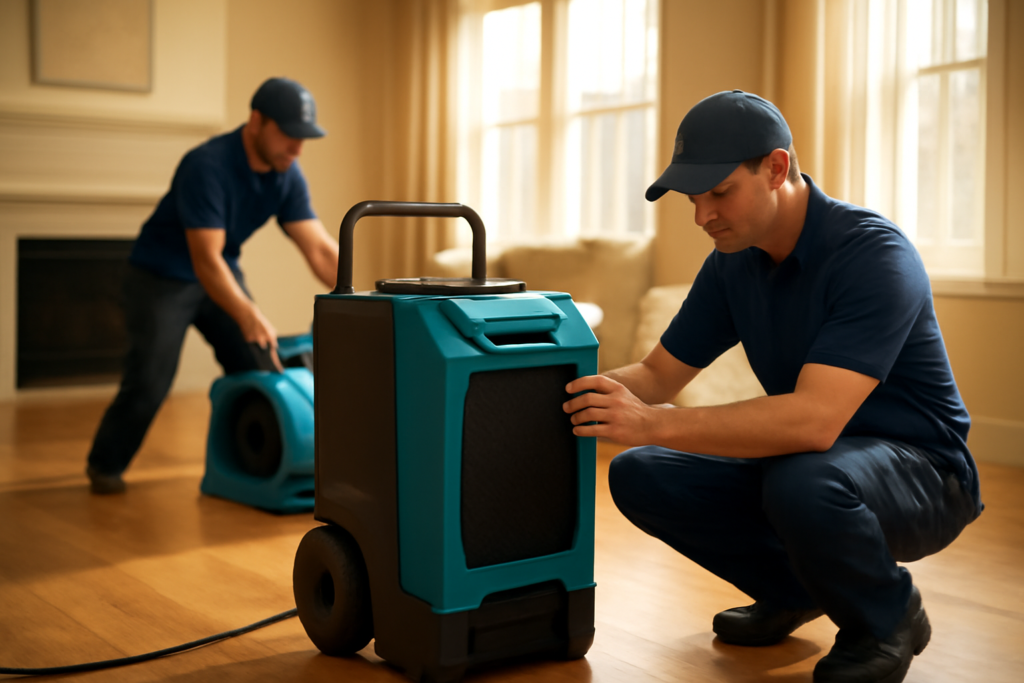
Crawl space mold is a common issue that can affect your home’s health and structure. Addressing it promptly is key to preventing further damage.
Understanding crawl space mold means knowing its causes, health risks, and the most effective ways to remove and prevent it.
TL;DR:
- Crawl space mold thrives in dark, damp, and poorly ventilated areas.
- It can cause serious health problems and damage your home’s structure.
- Identifying mold involves looking for discoloration, fuzzy growth, and a musty smell.
- Professional remediation is often necessary for effective and safe mold removal.
- Preventing mold involves controlling moisture and ensuring good ventilation.
Crawl Space Mold: What Every Homeowner Should Know
You might not think about your crawl space often. It’s that dark, often dusty area beneath your home. But it plays a vital role in your home’s health. Unfortunately, it’s also a prime spot for mold to grow. Let’s talk about crawl space mold and what you absolutely need to know.
Why Does Mold Love Crawl Spaces?
Crawl spaces are the perfect environment for mold. They are typically dark and enclosed. Moisture often collects there from leaky pipes or poor drainage. Without proper airflow, this dampness lingers. This creates an ideal breeding ground for mold spores. Research shows that even small amounts of moisture can lead to mold growth within 24-48 hours.
What Are the Signs of Crawl Space Mold?
Identifying mold early is crucial. One of the most obvious signs is a persistent musty odor. This smell often wafts up into your living space. You might also see visible signs of mold. Look for patches of discoloration on walls, floors, or joists. These can appear as black, green, or white fuzzy spots. Sometimes, it looks like a stain.
The Smell Test
That damp, earthy smell is a strong indicator. It’s your nose telling you something is wrong. This odor is a direct result of mold releasing spores. If you notice this smell, it’s time to investigate. Don’t ignore it, as it points to underlying issues.
Visual Clues
Visually inspecting your crawl space is important. Look for fuzzy or slimy patches. These can grow on wood, concrete, and even insulation. The color can vary widely. What might look like dirt could actually be mold. Always exercise caution when inspecting.
What Causes Crawl Space Mold?
Several factors contribute to mold growth. Leaking pipes are a common culprit. Poor grading around your home can direct water into the crawl space. High humidity levels are also a major factor. Condensation on pipes and foundation walls can create moisture. Understanding these crawl space moisture sources is the first step.
Moisture Sources Explained
Think of your crawl space like a sponge. If it’s constantly getting wet, it can’t dry out. This includes water from foundation leaks or even just humid outdoor air entering the space. Identifying all basement mold sources helps in prevention.
Humidity and Condensation
Even without obvious leaks, high humidity can be a problem. Warm, moist air can condense on cooler surfaces. This creates tiny water droplets. These droplets provide just enough moisture for mold spores to start growing. This is why humidity control measures are so important.
Health Risks Associated with Crawl Space Mold
Mold is more than just an unsightly nuisance. It can pose serious health risks. Mold spores are airborne and can be inhaled. This can trigger allergic reactions in many people. Symptoms can include sneezing, runny nose, and itchy eyes. Asthma sufferers may experience more severe reactions. Some molds produce toxins that can cause long-term health problems.
Allergies and Respiratory Issues
For many, mold exposure leads to allergy-like symptoms. These can be quite uncomfortable and persistent. Respiratory problems can worsen for those with asthma or other lung conditions. It’s a good idea to get expert advice today if you suspect mold.
Toxic Mold Concerns
Certain types of mold, often called “toxic mold,” can produce mycotoxins. These are harmful substances that can cause more severe health issues. While not all molds are toxic, it’s best to err on the side of caution. Exposure to these toxins is a serious health risk.
The Impact on Your Home’s Structure
Mold doesn’t just affect your health; it eats away at your home. Mold feeds on organic materials, especially wood. Over time, it can weaken wooden beams and joists in your crawl space. This compromises the structural integrity of your home. It can lead to costly repairs down the line.
Wood Rot and Damage
Mold is a form of rot. It breaks down the cellulose in wood. This weakens the wood, making it brittle. You might notice sagging floors or structural instability. This damage can spread silently.
Insulation Problems
Mold can also damage your home’s insulation. It can grow on insulation materials, reducing their effectiveness. This means you might be losing more heat in the winter and cool air in the summer. This leads to higher energy bills.
Can You Clean Crawl Space Mold Yourself?
For very small, surface-level mold spots, DIY cleaning might seem possible. However, it’s generally not recommended. Mold remediation requires specialized knowledge and equipment. Improper cleaning can spread spores further. It can also expose you to harmful substances. It is best to call a professional right away.
When DIY Isn’t Wise
The risks of DIY mold removal are significant. You might not get all of it. You could spread it to other areas. Safety gear is essential, and not everyone has it. This is why crawl space moisture needs professional assessment.
Professional Crawl Space Mold Remediation
Professional mold remediation is the safest and most effective solution. Experts have the tools and training to identify all mold. They can safely remove it and treat the affected areas. They also address the underlying moisture issues. This prevents the mold from returning. It’s important to act before it gets worse.
The Remediation Process
Professionals will contain the affected area. They use special equipment to remove mold. They clean and sanitize surfaces. They may also recommend encapsulation or dehumidifiers. This ensures a long-term solution.
Preventing Future Crawl Space Mold Growth
Once the mold is gone, prevention is key. Controlling moisture is the most critical step. Ensure your gutters are clean and downspouts direct water away from your foundation. Consider a vapor barrier. Proper ventilation is also essential. Good airflow helps keep the space dry.
Moisture Control Checklist
- Ensure proper grading slopes away from your home.
- Inspect and repair any leaking pipes or plumbing.
- Seal foundation cracks and openings.
- Install a vapor barrier on the crawl space floor.
- Use a dehumidifier if necessary.
- Ensure adequate ventilation, possibly with fans.
Dealing with Water Damage and Mold
If you’ve experienced recent water damage, mold is a high risk. Prompt drying and cleanup are vital. Mold can start growing within days. Addressing the moisture sources immediately is crucial.
Understanding Musty Smells
That persistent musty smell is often a sign of mold. It can indicate mold growth in hidden areas like your crawl space. Addressing the basement mold sources is key to eliminating the odor. This smell can impact your home’s air quality.
Table: Common Crawl Space Moisture Sources
| Moisture Source | Explanation | Impact |
|---|---|---|
| Leaking Pipes | Cracked or old pipes drip water. | Constant dampness, wood rot. |
| Poor Drainage | Water pools around the foundation. | Water seeps into the crawl space. |
| High Humidity | Moist air enters from outside. | Condensation on surfaces, mold growth. |
| Ground Moisture | Water vapor rises from the soil. | Increases overall humidity levels. |
Conclusion
Crawl space mold is a serious issue that affects your home’s health and structure. Recognizing the signs, understanding the causes, and taking swift action are vital. From identifying musty odors to structural damage, mold demands attention. If you suspect mold in your crawl space, don’t delay. For expert assessment and remediation in the Eden Prairie area, Eden Prairie Restoration Pros is a trusted resource ready to help restore your home’s safety and integrity.
What are the main health effects of crawl space mold?
Exposure to mold spores can cause allergic reactions like sneezing, runny noses, and itchy eyes. It can also trigger asthma attacks and respiratory issues. Some molds can produce toxins leading to more serious health concerns over time.
How can I tell if I have mold in my crawl space without going down there?
The most common indicator is a persistent musty or earthy smell that seems to come from below. If you notice this odor, it’s a strong sign that mold might be present. You may also notice increased humidity or dampness in your home.
Is crawl space encapsulation a good way to prevent mold?
Yes, crawl space encapsulation is a highly effective method. It involves sealing the crawl space walls and floor with a vapor barrier. This prevents moisture from entering the space, drastically reducing the conditions needed for mold to grow.
What should I do if I find mold in my crawl space?
If you find mold, it’s best to contact a professional mold remediation service. They have the expertise and equipment to safely remove the mold and address the underlying moisture issues. Attempting to clean it yourself can spread spores and pose health risks.
How quickly can mold grow in a crawl space after a water leak?
Mold can begin to grow in as little as 24 to 48 hours after a water leak occurs. The presence of moisture, combined with the dark, often stagnant environment of a crawl space, creates ideal conditions for rapid mold proliferation.

Levi Lemieux is a licensed Damage Restoration Expert with more than 20 years of hands-on experience in disaster recovery and structural mitigation. As a seasoned industry authority, Levi has dedicated two decades to mastering the technical complexities of environmental safety, providing property owners with the reliable expertise and steady leadership required to navigate high-stress property losses with absolute confidence.
𝗖𝗲𝗿𝘁𝗶𝗳𝗶𝗰𝗮𝘁𝗶𝗼𝗻𝘀: Levi holds elite IICRC credentials, including Water Damage Restoration (WRT), Applied Structural Drying (ASD), Mold Remediation (AMRT), Fire and Smoke Restoration (FSRT), and Odor Control (OCT).
𝗙𝗮𝘃𝗼𝗿𝗶𝘁𝗲 𝗣𝗮𝘀𝘁𝗶𝗺𝗲: When off-site, Levi is a passionate mountain biker and an amateur astronomer, hobbies that reflect the endurance and precision he brings to every restoration project.
𝗕𝗲𝘀𝘁 𝗣𝗮𝗿𝘁 𝗼𝗳 𝘁𝗵𝗲 𝗷𝗼𝗯: He finds the most fulfillment in providing a clear path forward for families, turning a site of devastation back into a safe, comfortable home.