
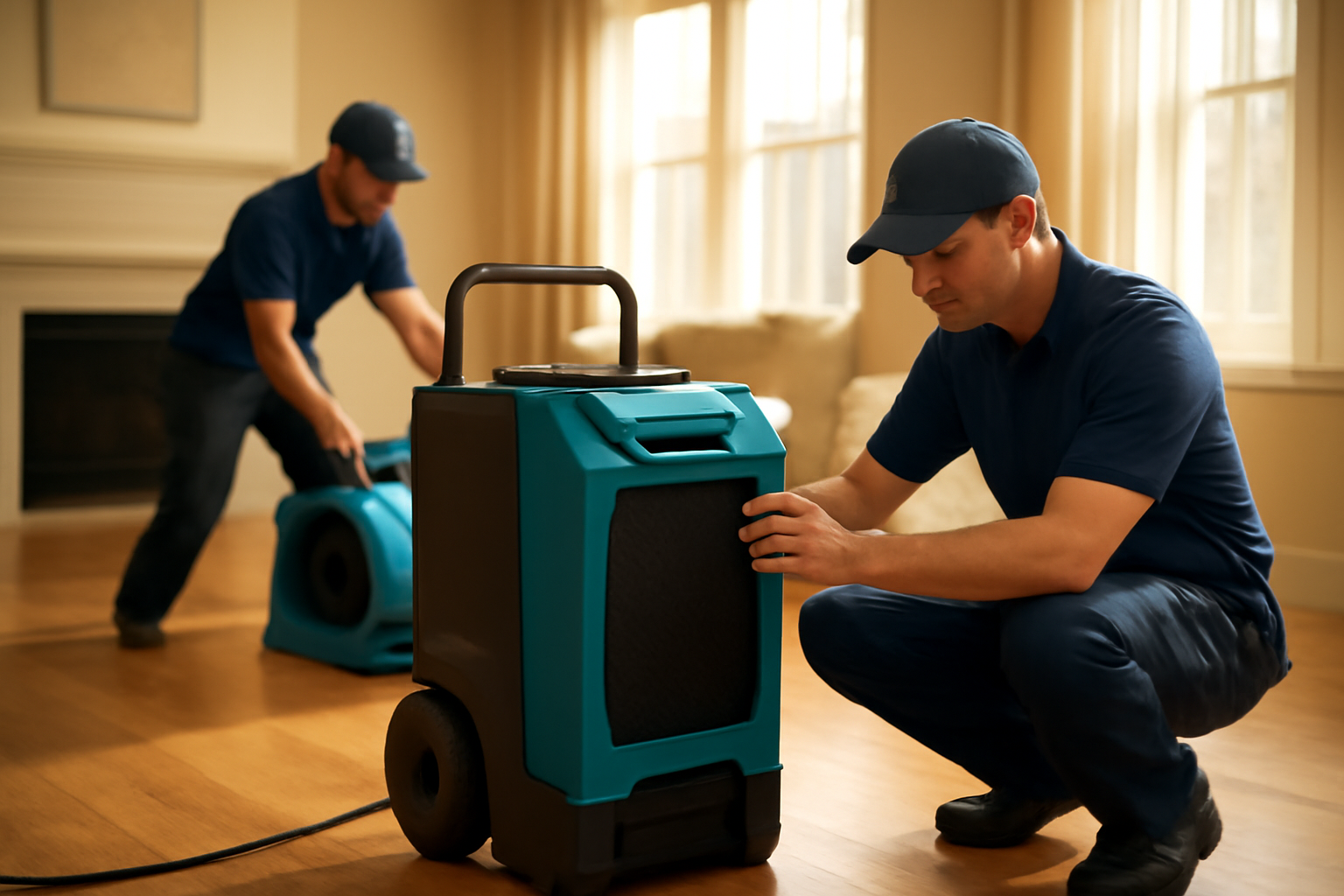
Does A Dehumidifier Stop Mold From Growing?
Trusted by 155+ Homeowners
A dehumidifier can help stop mold from growing by reducing indoor humidity levels.
However, it is not a complete solution on its own for existing mold problems.
TL;DR:
- Dehumidifiers lower humidity, making it harder for mold to grow.
- They are best used as a preventative measure or alongside other cleanup methods.
- Mold needs moisture to thrive, so controlling humidity is key.
- For active mold growth, professional remediation is often necessary.
- Always address the source of moisture to prevent future mold issues.
Does a Dehumidifier Stop Mold From Growing?
You’ve probably wondered if running a dehumidifier can be your secret weapon against mold. It’s a fair question, especially when you see those fuzzy green or black spots appearing. The short answer is: a dehumidifier helps, but it’s not a magic bullet. It plays a supporting role in mold prevention and management, not a starring one.
Mold spores are everywhere, floating around in the air. They just need the right conditions to land and grow. Think of it like seeds needing soil and water to sprout. Mold spores need moisture, a food source (like drywall or wood), and the right temperature. If you remove one of these key ingredients, mold struggles to get a foothold.
How Dehumidifiers Help Fight Mold
Dehumidifiers work by pulling moisture out of the air. They take in humid air, cool it down so the water vapor condenses, and then release drier air back into the room. This process lowers the overall humidity level in your home. Controlling humidity is a major step in preventing mold because mold needs a relative humidity of about 60% or higher to grow.
By keeping your home’s humidity below this threshold, you create an environment that is much less hospitable for mold spores. This is especially useful in damp areas like basements, bathrooms, and laundry rooms. These are often places where moisture can accumulate.
The Importance of Humidity Levels
Many experts recommend keeping indoor humidity levels between 30% and 50%. When humidity creeps up, especially during humid summer months or after a leak, mold has an open invitation to start growing. A dehumidifier acts like a vigilant guard, constantly working to keep that invitation unaccepted.
We found that consistently maintaining lower humidity levels can significantly reduce the chances of mold spores taking root. It’s a key component of a healthy indoor environment. This is why it’s often part of a broader strategy for mold control.
When a Dehumidifier Isn’t Enough
Now, let’s be honest. If you already see mold growing, just running a dehumidifier won’t make it disappear. Mold needs to be properly removed. Think of it this way: if you have weeds in your garden, pulling them out is necessary. Watering the garden less might help slow their growth, but it won’t remove the weeds that are already there.
For existing mold, you need to address the source of the moisture and then physically remove the mold. This often involves more than just lowering humidity. It might require cleaning affected surfaces, and in severe cases, professional mold remediation. Ignoring visible mold can lead to serious health risks and further damage to your home.
Addressing the Source of Moisture
A dehumidifier can only manage the air moisture. If your mold problem stems from a leaky pipe, a roof leak, or flooding, the dehumidifier can’t fix that underlying issue. You must first repair the leak or stop the water source. We found that failing to address the root cause means mold will likely return, no matter how dry you keep the air.
Discovering and fixing these moisture sources is critical. Sometimes, the source isn’t obvious. A musty smell in your home? It could be water damage you haven’t located yet. It’s important to call a professional right away if you suspect hidden moisture issues.
Dehumidifiers as Part of a Larger Strategy
So, where does a dehumidifier fit in? It’s an excellent tool for your mold prevention toolkit. Use it in areas prone to dampness. It’s also very helpful after a water damage event and cleanup. Once you’ve addressed the initial water problem and removed any standing water, a dehumidifier can help dry out the remaining moisture in the air and materials.
This helps to prevent mold from developing in the first place. It’s part of a multi-pronged approach. We found that combining good ventilation, prompt cleanup of spills, and dehumidifier use creates a robust defense against mold. This is a much more effective strategy than relying on a single method.
What About Air Scrubbers and Vacuums?
When dealing with mold, especially if it’s widespread, other tools become important. HEPA air scrubbers are designed to filter mold spores and other tiny particles from the air. Understanding the air scrubber function can show you how they help clear the air. Similarly, HEPA vacuums are used to remove mold spores from surfaces without spreading them.
Research shows that using these specialized mold removal tools is essential for thorough remediation. They work in conjunction with moisture control methods. Proper use of these devices is key to ensuring mold spores are captured and contained. This is why we recommend using them when appropriate.
When to Call the Professionals
If you have a significant mold problem, or if you’re unsure about the extent of the issue, it’s always best to get expert advice. Professionals have the equipment and knowledge to safely and effectively remove mold. They can also identify hidden moisture problems and provide solutions.
This includes using advanced tools like mold air sampling equipment to assess the situation. They can also employ techniques like HEPA vacuuming in mold remediation to ensure all spores are captured.
A Checklist for Mold Prevention
Here’s a quick rundown of how to keep your home mold-free, with your dehumidifier playing its part:
- Monitor Humidity: Keep indoor humidity below 50%.
- Ventilate Properly: Use exhaust fans in bathrooms and kitchens.
- Fix Leaks Quickly: Address any plumbing or roof leaks immediately.
- Dry Wet Areas: Clean and dry any spills or water intrusion within 24-48 hours.
- Use Your Dehumidifier: Run it in damp areas, especially during humid seasons.
- Inspect Regularly: Keep an eye out for any signs of mold or moisture.
Understanding the Water Damage Timeline
It’s helpful to understand how quickly mold can become a problem after water intrusion. The water damage timeline shows that mold can start to grow within 24 to 48 hours. This means you need to act fast when water damage occurs.
This rapid growth highlights why prompt action is so important. Addressing water damage link issues quickly is your first line of defense. Don’t wait to get help if you experience a flood or leak.
Common Moisture Sources to Watch For
Where does excess moisture come from? Common culprits include condensation on windows and pipes, damp basements, and poor ventilation. Sometimes, it’s as simple as forgetting to use your bathroom fan. Other times, it’s more serious, like a musty smell in your home? It could be water damage that needs professional attention.
Identifying these moisture sources is key to preventing mold. Regular checks can save you a lot of trouble down the line. Schedule a free inspection if you have concerns.
Conclusion
So, does a dehumidifier stop mold from growing? It significantly hinders it by controlling humidity, a crucial element for mold survival. It’s a powerful tool for prevention and for aiding the drying process after water damage. However, it’s not a standalone solution for existing mold infestations. For complete mold removal and to ensure your home is safe and healthy, addressing the source of moisture and using appropriate remediation techniques are essential. If you suspect a mold problem or have experienced water damage in your home, the experienced team at Eden Prairie Restoration Pros can help you assess the situation and restore your property to its pre-loss condition.
Can a dehumidifier kill existing mold?
No, a dehumidifier cannot kill existing mold. It can only help prevent new mold from growing by reducing humidity. Mold must be physically removed from surfaces.
How often should I run my dehumidifier for mold prevention?
For mold prevention, run your dehumidifier continuously in damp areas, especially during humid seasons or after water events. Monitor humidity levels with a hygrometer to ensure they stay below 50%.
What is the ideal humidity level to prevent mold growth?
The ideal humidity level to prevent mold growth is generally between 30% and 50%. Keeping it below 60% is critical, but aiming for the lower end of this range is best for comprehensive prevention.
Can a dehumidifier help with a musty smell?
Yes, a dehumidifier can help reduce a musty smell if it is caused by high humidity and dampness. However, if the smell is from existing mold, the mold itself needs to be removed for the smell to disappear completely.
What should I do if I find mold in my home?
If you find mold, especially if it covers a large area or you suspect it’s related to a water issue, it’s best to act before it gets worse. For small, surface mold spots, you might be able to clean them yourself with appropriate solutions. For larger or more complex situations, don’t wait to get help and contact a professional restoration company for expert advice today.