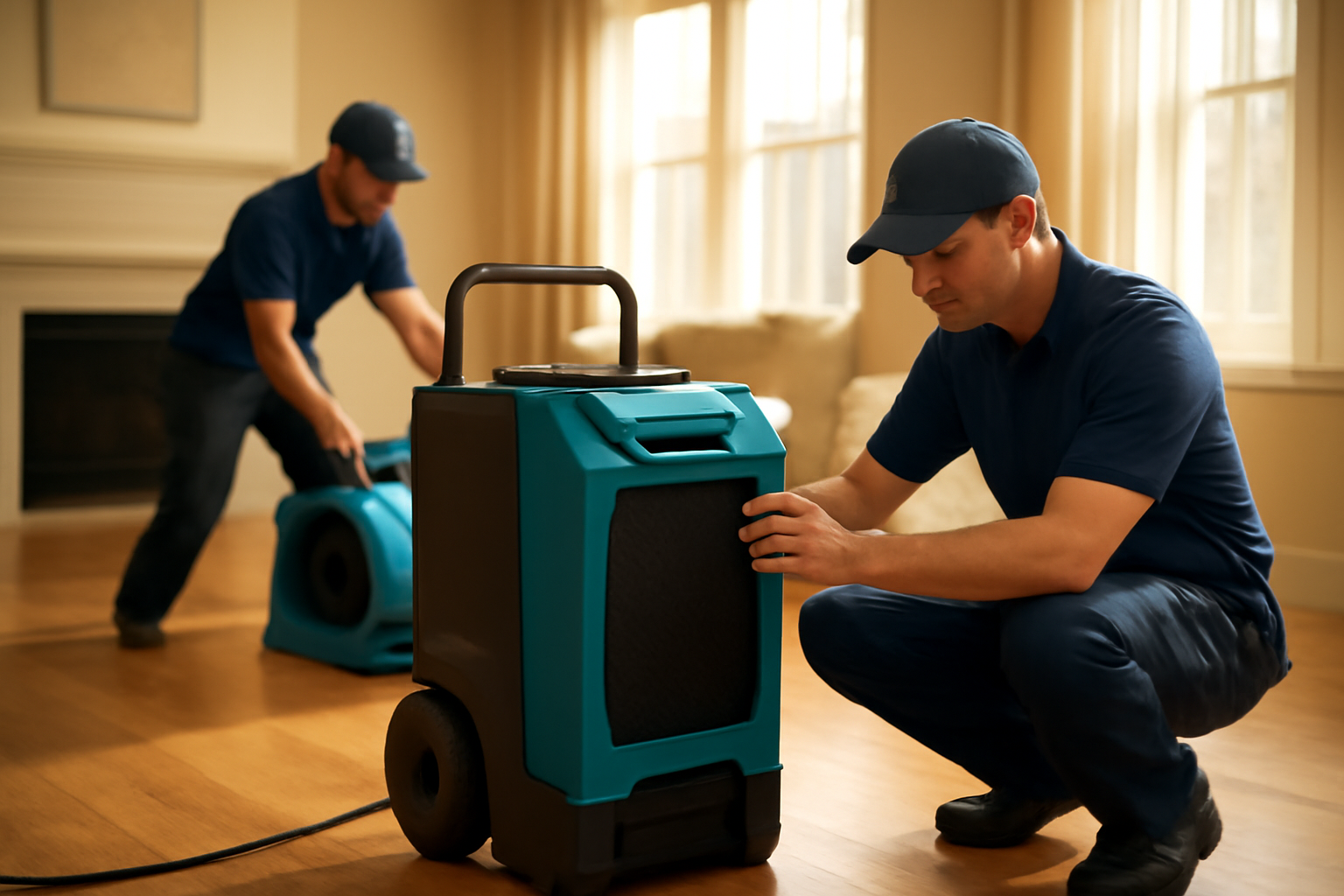
How Pros Determine What Can Be Salvaged After A Fire
Trusted by 155+ Homeowners
Pros determine what can be salvaged after a fire by assessing structural integrity and material condition. They use specialized knowledge and tools to identify items safe for restoration.
Understanding how professionals evaluate fire-damaged items is key to a successful recovery. This process involves careful inspection and expert judgment to salvage what’s possible.
TL;DR:
- Fire damage assessment involves structural, material, and smoke/soot evaluation.
- Professionals use specialized techniques to clean and restore affected items.
- Safety is paramount, especially regarding structural stability and toxic residues.
- Not everything is salvageable, but many items can be saved with expert help.
- Contacting restoration pros quickly is vital for the best outcome.
How Pros Determine What Can Be Salvaged After a Fire
When fire strikes your home, the immediate aftermath can be overwhelming. You’re likely wondering what survived and what’s lost forever. Professionals trained in fire damage restoration have a systematic approach. They assess structural stability and the condition of various materials. This helps them decide if an item can be safely cleaned and restored or if it needs to be replaced.
Initial Assessment: Safety First
The very first step for any fire damage professional is to ensure safety. This means checking for structural integrity. Is the building still sound? Are there risks of collapse? They look for damage to load-bearing walls, the roof, and the foundation. Until the structure is deemed safe, extensive salvaging is impossible. This is an important consideration for everyone involved.
Evaluating Smoke and Soot Damage
Smoke and soot are insidious. They spread far beyond the visible flames. Professionals examine the type of smoke – wet, dry, or a combination. Wet smoke is sticky and tar-like, while dry smoke is powdery. Different types require different cleaning methods. They also assess how deeply the soot has penetrated surfaces and belongings. This helps determine the extent of cleaning needed and if items are salvageable.
Material Condition: What Can Be Saved?
Once safety is addressed, experts look at the materials themselves. They evaluate fabrics, furniture, electronics, and documents. The heat from a fire can warp, melt, or char items. Water used to fight the fire can cause further damage. Restoration pros have techniques to clean soot, neutralize odors, and repair damage from water. They can often save items that appear unsalvageable at first glance. This is a core part of fire restoration steps.
Challenges in Salvage
Not everything can be saved, unfortunately. Items that are severely charred or structurally compromised are usually beyond repair. Porous materials that have absorbed toxic smoke residue can also be difficult to clean completely. Professionals will advise you on which items can be restored and which are best replaced. They consider toxic exposure risks associated with certain types of damage.
Specialized Cleaning and Restoration Techniques
Restoration companies use advanced equipment and methods. This includes ultrasonic cleaners for delicate items and ozone treatments for odor removal. They employ specialized chemicals to break down soot and smoke residues. For documents and photos, they might use freeze-drying techniques. These methods are far more effective than DIY approaches. Many experts agree that professional cleanup is often the best route.
The Role of Professionals in Salvage Decisions
Why is calling in the pros so important? They have the training and experience to make accurate assessments. They know which materials react to different cleaning agents. They also understand the potential health hazards. Trying to clean severe fire damage yourself can be ineffective and even dangerous. It’s often why why DIY water damage cleanup often backfires, as the underlying issues are not properly addressed.
Assessing Structural Damage
Structural elements like beams, joists, and walls need careful inspection. Fire can weaken these components significantly. Even if they look okay, heat exposure can compromise their strength over time. Professionals use testing methods to gauge the integrity of these parts. They determine if repairs are needed or if replacement is the only safe option. This is a key related factor in overall home safety.
Salvaging Personal Belongings
Your personal items hold immense sentimental value. Professionals understand this. They prioritize saving cherished belongings whenever possible. They assess furniture, artwork, electronics, and heirlooms. Techniques are employed to remove soot, smoke odor, and water damage. The goal is to return items to their pre-fire condition, or as close as possible. This often requires more than just a simple wipe-down.
Dealing with Odors and Discoloration
Smoke odor can linger for years if not treated properly. Professionals use deodorizing techniques like thermal fogging and ozone treatments. These methods neutralize odor molecules at their source. Discoloration from soot and heat can also be addressed with specialized cleaning agents and refinishing techniques. This ensures your home and belongings smell and look fresh again.
When is it Not Salvageable?
There comes a point when an item is too far gone. If a wooden beam is significantly charred, it’s a structural risk. If electronics have been exposed to extreme heat and water, they may be beyond repair. Porous items like heavily damaged drywall or insulation might need replacement. Professionals conduct a thorough evaluation to make these tough calls, considering related damage issues.
The Importance of Speed
Time is critical after a fire. The longer soot and smoke residue sit on surfaces, the harder it is to remove. Water damage from firefighting efforts can also worsen over time. Acting quickly maximizes the chances of salvaging items. Prompt professional intervention can make a significant difference. This is why it’s important to not wait to get help.
Post-Lightning Strike Fires
Fires can occur after lightning strikes. These can present unique challenges. The initial strike can cause structural damage, and subsequent fires may involve electrical components. Understanding these specific risks is part of a comprehensive assessment. It’s important to address fire risks after a lightning strike to your home promptly.
A Checklist for Post-Fire Salvage Assessment
Here’s a simplified checklist of what pros consider:
- Structural Soundness: Are walls, floors, and ceilings stable?
- Material Integrity: Can fabrics, wood, and plastics withstand cleaning?
- Soot Penetration: How deeply has soot embedded into surfaces?
- Water Damage: Is there mold risk or further material breakdown?
- Odor Levels: Can smoke odors be effectively neutralized?
- Safety Hazards: Are there chemical or structural risks present?
Comparing Salvageable vs. Non-Salvageable Items
It’s helpful to understand the general categories. Here’s a look at common items:
| Category | Often Salvageable | Often Not Salvageable |
|---|---|---|
| Structural Wood | Minor charring, superficial heat damage | Deep charring, significant structural compromise |
| Upholstered Furniture | Light soot, smoke odor | Severe heat damage, melted synthetic materials |
| Electronics | Minimal heat/water exposure, professional cleaning | Extensive heat/water damage, melted components |
| Documents/Photos | Freeze-drying, specialized cleaning | Completely incinerated, severely water-damaged |
| Metal Items | Soot and smoke residue | Severe corrosion or warping from heat |
DIY vs. Professional Cleanup
While some minor surface cleaning might be tempting, fire damage is complex. Many homeowners wonder, “Can you clean up fire damage yourself?” Generally, for anything beyond light surface soot, professional help is recommended. DIY attempts can sometimes spread soot or cause irreversible damage. It’s an important consideration for long-term recovery.
The Process of Fire Restoration Step-by-Step
When you engage a restoration company, they typically follow a set process. This includes initial inspection, securing the property, water extraction (if applicable), smoke and soot cleanup, deodorization, and rebuilding. Understanding these fire restoration steps helps manage expectations. You can learn more here about the typical workflow.
Conclusion
Determining what can be salvaged after a fire is a detailed process. It requires expertise to assess structural safety, material condition, and the impact of smoke and soot. While some items may be lost, professionals at Eden Prairie Restoration Pros have the tools and knowledge to restore many belongings. Their goal is to help you recover your home and possessions as safely and effectively as possible. Acting quickly and calling experienced professionals is the best way to maximize salvageable items.
What are the main types of smoke damage?
The two primary types of smoke damage are wet smoke and dry smoke. Wet smoke is sticky, greasy, and has a strong odor, often causing more staining. Dry smoke is powdery and can be harder to clean but may cause less discoloration. Professionals identify the smoke type to use the most effective cleaning methods.
How do restoration pros deal with fire odors?
Restoration professionals use a variety of methods to neutralize fire odors. These include air scrubbing with HEPA filters, ozone treatments to break down odor molecules, and thermal fogging. They also clean all surfaces thoroughly to remove the source of the smell. It’s a multi-step process to ensure the odor is gone for good.
Can heat-damaged electronics be salvaged?
Sometimes, yes. If electronics were not directly in the flames and experienced limited heat or water exposure, they might be salvageable. Professionals can often clean them and test their functionality. However, severe heat damage or melted components usually mean they are beyond repair. It’s essential to have them assessed by experts.
What is the role of water damage in fire restoration?
Water used to extinguish a fire can cause significant damage. It can lead to structural weakening, mold growth, and damage to finishes and belongings. Restoration teams must address both fire and water damage. This often involves drying out affected areas thoroughly to prevent further issues, similar to how they handle related damage issues from floods.
Why is it important to call a professional immediately?
Immediate professional intervention is critical. Soot and smoke residue can become permanent if left on surfaces for too long. Water damage can quickly lead to mold growth. Early professional assessment and cleanup can prevent secondary damage, save more of your belongings, and ensure a safer, more effective restoration process, mitigating post-fire health hazards.