Water Damage In Mobile Homes: Unique Risks
Trusted by 155+ Homeowners
Water damage in mobile homes presents unique risks due to their construction and placement. Mobile homes can be more susceptible to rapid water intrusion and structural damage.
Addressing water damage promptly is vital to prevent extensive harm and potential health issues for residents.
TL;DR:
- Mobile homes have specific vulnerabilities to water damage from plumbing, weather, and ground saturation.
- Early detection and swift action are key to minimizing damage and costs.
- Potential health risks, like mold, are amplified in enclosed mobile home environments.
- Proper maintenance and understanding of unique risks can prevent major problems.
- Professional restoration is often necessary for thorough drying and repair.
Water Damage in Mobile Homes: Unique Risks
When water decides to visit your mobile home uninvited, it can cause a unique set of problems. Unlike traditional houses, mobile homes have a construction and foundation that can make them more vulnerable to water’s effects. Understanding these differences is the first step in protecting your home.
Why Mobile Homes Are Different
Mobile homes are often built with lighter materials and sit on piers or a chassis. This means they can be less forgiving when water enters the picture. The underbelly, often exposed or protected by thin materials, can quickly become a pathway for water to cause damage. This exposure is a major point of concern.
Underbelly Vulnerabilities
The underside of your mobile home, where plumbing and insulation often reside, is a common entry point for water. If a pipe bursts or a leak occurs, water can saturate insulation and framing. This can lead to rot and structural weakening very quickly.
Foundation and Skirting Issues
The way mobile homes are supported can also create problems. If water pools around the piers or under the skirting, it can compromise the foundation. It also creates a damp, dark environment perfect for mold and pests. This can turn a minor issue into a larger, more complex problem.
Common Causes of Water Damage in Mobile Homes
Several factors can lead to water damage. Knowing these can help you be more vigilant. Regular checks are your best defense against surprises.
Plumbing Leaks and Freezes
Mobile homes have extensive plumbing running throughout. Pipes can become brittle over time, especially in colder climates where freezing can cause them to burst. Even small, slow leaks can go unnoticed for a long time. This silent damage can be very destructive.
Roof and Exterior Leaks
Like any home, mobile homes can suffer from roof damage or leaks around windows and doors. Damaged seals or missing shingles can allow rain to seep in. If these issues are not addressed, water can travel down walls. This can lead to significant interior damage.
Groundwater and Flooding
Mobile homes are often situated closer to the ground than traditional houses. This makes them more susceptible to problems from heavy rain or nearby flooding. If your home is in an area prone to water accumulation, you face increased interior water damage from below.
The Immediate Impact of Water Intrusion
Once water gets in, it doesn’t just sit there. It spreads and causes damage rapidly. Acting fast is key to minimizing the harm to your home and your wallet. The longer water sits, the worse it gets.
Structural Weakening
Wood framing, subflooring, and insulation can quickly become saturated. This compromises their integrity. What might seem like a small leak can lead to sagging floors or walls if left untreated. This is a serious structural concern.
Material Degradation
Many materials used in mobile homes are not as robust as those in site-built homes. Drywall, particleboard, and certain types of flooring can break down quickly when exposed to moisture. This means repairs might be more extensive. You need to act before it gets worse.
Health Risks Associated with Water Damage
Beyond the damage to your home, water intrusion poses significant health risks. These are often amplified in the enclosed environment of a mobile home. Ignoring water damage means ignoring potential threats to your well-being. Many experts say the health dangers involved are often underestimated.
Mold and Mildew Growth
Damp, dark spaces are ideal breeding grounds for mold and mildew. The underbelly, behind walls, and in insulation can quickly become infested. Mold spores can become airborne and cause respiratory problems, allergies, and other health issues. This is a major mold growth risk.
Air Quality Deterioration
Beyond mold, dampness can lead to musty odors and poor indoor air quality. This can affect anyone, but it’s particularly concerning for children, the elderly, or those with existing respiratory conditions. Breathing contaminated air is a serious health risk.
Preventative Measures for Mobile Home Owners
Fortunately, you can take steps to prevent water damage and mitigate its impact. A little bit of regular maintenance goes a long way. Think of it as giving your home a regular check-up.
Regular Inspections
Make it a habit to inspect your home’s exterior, roof, and underbelly regularly. Look for any signs of damage, wear, or pooling water. Check plumbing fixtures for leaks. Early detection is your most powerful tool.
Proper Drainage
Ensure that water drains away from your mobile home. Keep gutters clean and downspouts extended. If your home is on a slope, ensure the ground is graded away from the foundation. Good drainage prevents water from accumulating. This reduces water intrusion risks.
Skirting Maintenance
Keep your skirting in good repair. Ensure there are no large gaps where water can get under the home. However, also make sure there is some ventilation to prevent moisture buildup. Proper skirting management is key to protection.
Winterization and Insulation
In colder climates, properly winterize your pipes to prevent freezing. Ensure your home is adequately insulated, especially around the underbelly. This helps prevent both freezing and condensation issues. Good insulation is a smart investment.
What to Do If You Discover Water Damage
If you find water damage, don’t panic, but don’t delay. Swift and appropriate action is critical. The sooner you address it, the less damage you’ll likely face. This is not a situation to wait and see.
Stop the Water Source
Your first priority is to stop the flow of water. Turn off the main water supply if a pipe has burst. If it’s an exterior leak, try to temporarily patch it if possible, or at least identify the source. Immediate action is vital.
Remove Standing Water
If there’s standing water, remove as much as possible. Use towels, mops, buckets, or a wet/dry vacuum. The less water left standing, the faster the drying process will be. Get rid of excess water as quickly as you can.
Dry Everything Thoroughly
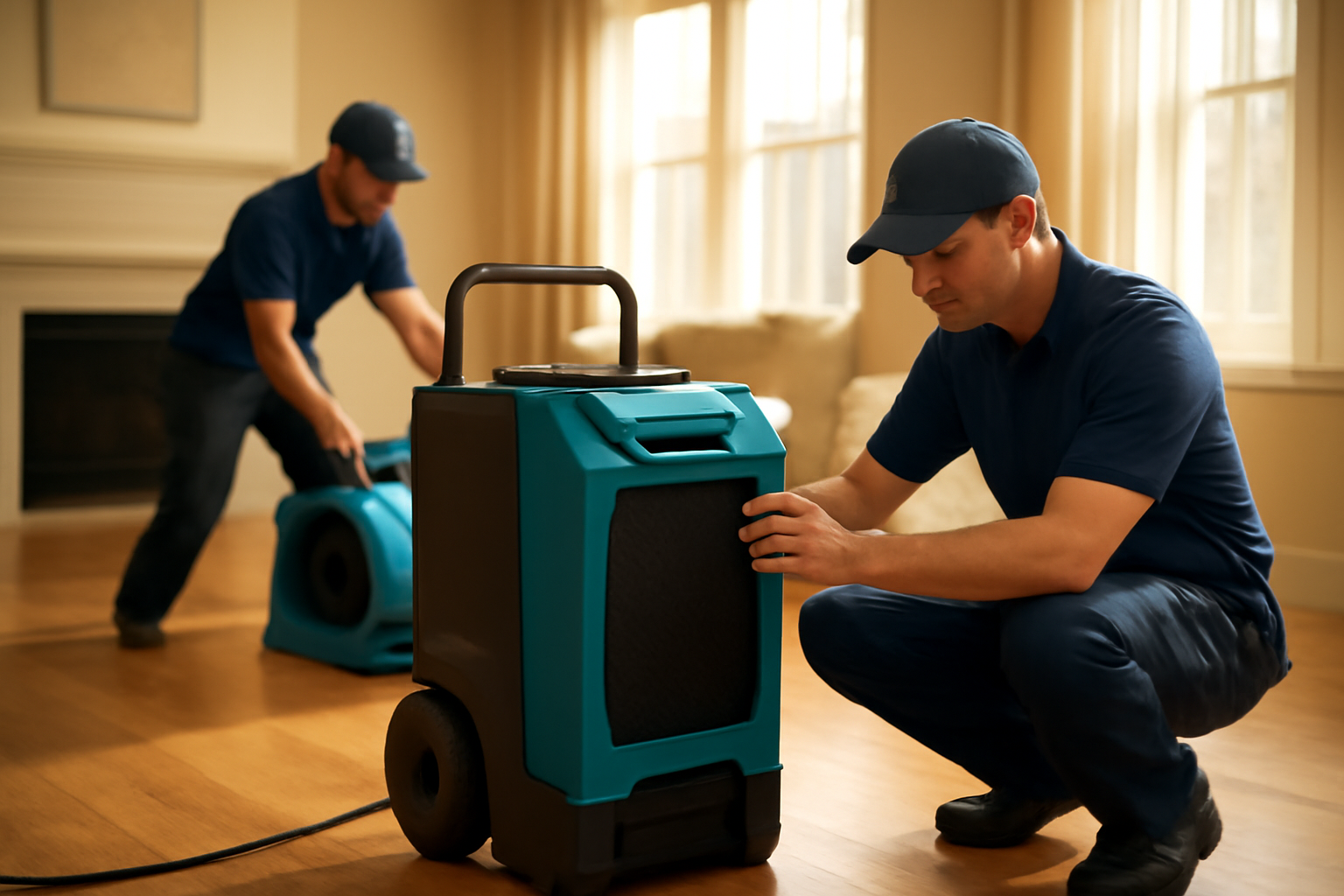
This is where professional help is often needed. Proper drying requires specialized equipment like dehumidifiers and air movers. You need to ensure all materials, including hidden areas like wall cavities and insulation, are completely dry. Incomplete drying leads to mold growth risk.
Assess and Repair Damage
Once everything is dry, assess the extent of the damage. Damaged subflooring, insulation, drywall, or cabinets will need to be replaced. It’s important to address all affected areas to prevent future problems. Consider the past damage disclosure implications if you plan to sell.
When to Call Professionals
For anything more than a very minor, easily dried spill, it’s wise to call a professional restoration company. They have the expertise and equipment to handle water damage effectively. They can also help identify hidden damage and ensure the job is done right. Trying to do it yourself can sometimes lead to more problems down the line.
Professionals can also assess the risk of health risks present and take steps to mitigate them. They understand the unique challenges of mobile home restoration. This ensures your home is not only repaired but also safe to live in again.
| Type of Issue | Potential Damage | Urgency Level |
|---|---|---|
| Burst Pipe | Rapid saturation, structural damage, mold | Immediate |
| Roof Leak | Wall/ceiling damage, insulation rot, mold | High |
| Groundwater Intrusion | Underbelly damage, foundation issues, mold | High |
| Condensation | Insulation degradation, mold, musty odors | Medium to High |
Trustworthy Restoration Services
When disaster strikes, you need a team you can trust. Eden Prairie Restoration Pros has the experience and dedication to restore your mobile home. We understand the unique challenges and work diligently to bring your home back to its pre-loss condition. Don’t let water damage ruin your home; call a professional right away.
Conclusion
Water damage in mobile homes is a serious issue that requires prompt attention and specialized knowledge. From vulnerable underbellies to potential health hazards, these homes face unique challenges. By understanding these risks and performing regular maintenance, you can significantly reduce the likelihood of major problems. If water damage does occur, remember that acting fast and calling in the experts at Eden Prairie Restoration Pros is the best way to ensure a safe and complete restoration for your mobile home.
What is the most common cause of water damage in mobile homes?
The most common causes often involve plumbing issues, such as frozen or burst pipes, and leaks from the roof or exterior seals. The exposed underbelly also makes them susceptible to damage from ground saturation.
How quickly can mold grow after water damage in a mobile home?
Mold can begin to grow in as little as 24-48 hours after water damage occurs, especially in warm, humid conditions. This makes rapid drying absolutely essential to prevent the mold after moisture.
Is it safe to live in a mobile home with water damage?
It is generally not safe to live in a mobile home with active water damage. The moisture can lead to structural instability and the growth of mold and bacteria, contributing to the health risks present and potential respiratory issues.
Can I fix water damage in my mobile home myself?
For very minor spills, some DIY drying might be possible. However, for significant water intrusion, it is highly recommended to hire professionals. They have the specialized equipment and knowledge to dry out all affected areas thoroughly, preventing hidden damage and mold. This ensures you address the water damage history properly.
How does ground saturation affect mobile homes?
When the ground around a mobile home becomes saturated, water can seep into the underbelly, potentially damaging insulation, framing, and electrical components. This can lead to rot, structural weakness, and a significant increase in the health dangers involved.