
Trusted by 155+ Homeowners
What Qualifies As A Biohazard In A Home Setting?
- Over 157 5-Star Reviews
- Free Estimates and Quotes
- 100% Satisfaction Guaranteed
- Child, Family & Pet Safe Steps
- 24-Hour Emergency Service
- Fully Licensed & Insured
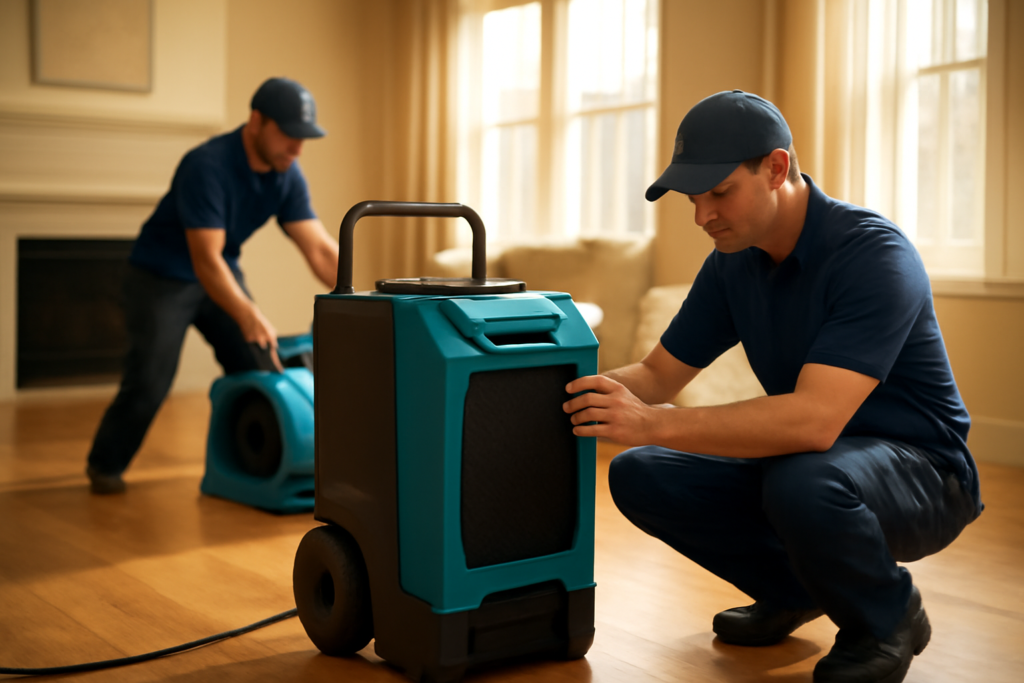
A biohazard in your home is anything that poses a serious risk to your health. This includes biological material that can spread illness or infection.
Identifying and handling biohazards is critical for your family’s safety.
TL;DR:
- Biohazards are biological materials that can harm health, like blood, bodily fluids, and contaminated items.
- Common home biohazards include sewage backups, untreated animal waste, and mold from water damage.
- Exposure can lead to serious health issues, from infections to long-term respiratory problems.
- Proper cleanup requires professional handling to ensure safety and thorough decontamination.
- Never attempt to clean up a major biohazard yourself; always call trained professionals.
What Qualifies as a Biohazard in a Home Setting?
A biohazard in your home is any substance or material of biological origin that can cause harm to human health. Think of things that carry germs or can make you sick. This definition covers a wide range of potential dangers. Understanding what qualifies helps you know when to seek professional help.
Understanding Biological Risks
At its core, a biohazard is a biological risk. This means it comes from living organisms or their byproducts. The danger lies in its potential to transmit disease or cause infection. Many situations in a home can create these conditions. It’s about protecting your family from unseen threats. This is why knowing the signs is so important.
Common Sources of Home Biohazards
Several common household issues can create biohazard situations. Sewage backups are a prime example. When contaminated wastewater enters your home, it brings harmful bacteria and viruses. Animal waste, like from rodents or pets with diseases, is another serious concern. Even something as seemingly simple as a significant water-damaged home can become a breeding ground for dangerous mold.
Bodily Fluids and Contaminated Materials
Accidents happen, and sometimes bodily fluids are involved. Blood, vomit, and feces are all considered biohazards. These materials can contain pathogens that spread infections. If these are not cleaned and disinfected properly, they pose a serious health risk to anyone in the home. This is especially true for young children and the elderly.
The Dangers of Untreated Waste
Untreated waste, whether human or animal, is a significant biohazard. It can contain a cocktail of harmful microorganisms. Exposure can lead to a range of illnesses, from gastrointestinal issues to more severe infections. Many experts say that prompt and thorough cleanup is essential to prevent the spread of disease.
Recognizing Mold as a Biohazard
Mold growth, often a consequence of water damage, is a common biohazard. Not all mold is dangerous, but many types produce spores that can cause health problems. These can range from allergic reactions to more severe respiratory issues. Breathing in mold spores can trigger symptoms like coughing, sneezing, and itchy eyes. For those with asthma, it can be particularly problematic.
When Water Damage Creates Health Risks
Water damage itself, if left unaddressed, can quickly escalate into a biohazard. Standing water can become contaminated with various pathogens. This creates a breeding ground for mold and bacteria. The long-term effects of living in a water-damaged environment can be severe. Many people don’t realize the extent of the contamination health risks until symptoms appear.
Mold Health Symptoms to Watch For
Be aware of common mold health symptoms. These include persistent sneezing, runny nose, red eyes, and skin rashes. Some people experience more severe reactions, like difficulty breathing. If you notice these symptoms, especially after water damage or in damp areas, it’s a sign to investigate further. Don’t wait to address potential mold issues.
The Invisible Threat of Toxic Exposure
Some molds can produce mycotoxins, which are toxic substances. Inhaling these can lead to serious health issues beyond allergies. These toxic exposure effects can include neurological problems and immune system suppression. This is why understanding the waterborne illness risk associated with neglected water damage is so vital.
Sewage and Wastewater Contamination
Sewage contamination is one of the most dangerous biohazards a homeowner can face. Raw sewage contains bacteria, viruses, and parasites. Exposure can lead to severe gastrointestinal illnesses and other infections. The waterborne illness risk from sewage is extremely high. It’s a situation that demands immediate professional attention.
Why Professional Cleanup is Necessary
Cleaning up sewage or other serious biohazards is not a DIY job. Professionals have the specialized equipment and training to handle these situations safely. They use protective gear and employ advanced cleaning and disinfection methods. This ensures that the hazard is completely neutralized. Attempting to clean it yourself could expose you to dangerous pathogens and lead to incomplete remediation.
Protecting Yourself from Contamination
Your health and safety are paramount. If you suspect a biohazard in your home, the best course of action is to call a professional right away. They can assess the situation, contain the hazard, and perform a thorough cleanup. This prevents further spread and protects your family from serious health risks.
Animal Waste and Pest Infestations
Rodents and other pests can also introduce biohazards into your home. Their droppings and urine can carry diseases. Areas with infestations require careful cleaning and disinfection. This is another situation where professional help might be needed to ensure all traces of the hazard are removed. Don’t underestimate the contamination health risks from pests.
Summer Humidity and Water Damage Risks
Warmer months often bring increased humidity, which can exacerbate water damage issues. High humidity creates an ideal environment for mold to thrive. Even small leaks can become major problems quickly. Addressing moisture issues promptly can prevent the development of biohazards. Be mindful of the summer humidity and indoor water damage risks.
When Buying a Home with a History
If you’re considering buying a home, be aware of its history. Previous water damage or unresolved issues could mean lingering biohazards. A thorough inspection is key. Understanding the buying a home with water damage history risks can save you from future health problems and expensive repairs. It’s always better to know upfront.
The Dangers of Urban Flooding
Urban flooding is becoming a more frequent concern. When city streets flood, the water can carry all sorts of contaminants into homes. This can create widespread biohazard situations. The urban flooding: why cities face increasing risk highlights the need for preparedness and rapid response. This often involves dealing with significant biohazards.
What to Do in a Biohazard Situation
If you encounter a situation that you suspect is a biohazard, your first step is to ensure everyone’s safety. Evacuate the area if necessary. Then, do not wait to get help. Contacting a professional restoration company is the safest and most effective way to deal with the problem.
Why Immediate Action is Key
Biohazards can spread and worsen over time. Delaying cleanup can lead to more extensive damage and increased health risks. Acting quickly is crucial for containing the issue. This is true whether it’s mold, sewage, or contaminated materials. Act before it gets worse to protect your home and family.
Conclusion
Understanding what qualifies as a biohazard in your home is the first step toward ensuring a safe living environment. From mold and sewage to bodily fluids and pest waste, these threats are real and can cause significant harm. Recognizing the signs and knowing when to seek professional assistance is vital. At Eden Prairie Restoration Pros, we are dedicated to helping homeowners navigate these challenging situations safely and effectively. We provide the expertise and tools needed for thorough biohazard cleanup and restoration, giving you peace of mind.
What are the most common biohazards in a typical home?
The most common biohazards include mold from water damage, sewage backups, animal waste, and contaminated materials like blood or bodily fluids. These arise from events like plumbing failures, pest infestations, or accidents.
Can I clean up a biohazard myself?
For minor incidents and if you have the proper protective gear and knowledge, some very limited cleanup might be possible. However, for anything involving sewage, large amounts of blood, or extensive mold, it is strongly recommended to get expert advice today and hire professionals. DIY cleanup carries significant health risks.
How quickly does mold grow after water damage?
Mold can begin to grow within 24 to 48 hours after water damage occurs, especially in warm, humid conditions. The spores are often already present in the air and will colonize damp surfaces. This rapid growth highlights why prompt water damage mitigation is so important.
What are the long-term health effects of biohazard exposure?
Long-term effects can include chronic respiratory problems, severe allergies, asthma exacerbation, skin conditions, and in some cases, more serious systemic illnesses depending on the type of pathogen or toxin involved. The waterborne illness risk can be particularly severe.
How do I know if my home has a hidden biohazard?
Signs of a hidden biohazard can include persistent musty odors, visible mold growth, unexplained health symptoms among occupants, or a history of water damage or pest problems. If you suspect an issue, a professional inspection is the best way to confirm its presence and extent.

Levi Lemieux is a licensed Damage Restoration Expert with more than 20 years of hands-on experience in disaster recovery and structural mitigation. As a seasoned industry authority, Levi has dedicated two decades to mastering the technical complexities of environmental safety, providing property owners with the reliable expertise and steady leadership required to navigate high-stress property losses with absolute confidence.
𝗖𝗲𝗿𝘁𝗶𝗳𝗶𝗰𝗮𝘁𝗶𝗼𝗻𝘀: Levi holds elite IICRC credentials, including Water Damage Restoration (WRT), Applied Structural Drying (ASD), Mold Remediation (AMRT), Fire and Smoke Restoration (FSRT), and Odor Control (OCT).
𝗙𝗮𝘃𝗼𝗿𝗶𝘁𝗲 𝗣𝗮𝘀𝘁𝗶𝗺𝗲: When off-site, Levi is a passionate mountain biker and an amateur astronomer, hobbies that reflect the endurance and precision he brings to every restoration project.
𝗕𝗲𝘀𝘁 𝗣𝗮𝗿𝘁 𝗼𝗳 𝘁𝗵𝗲 𝗷𝗼𝗯: He finds the most fulfillment in providing a clear path forward for families, turning a site of devastation back into a safe, comfortable home.