
Water Heater Age And Leak Risk: A Guide For Owners
Trusted by 155+ Homeowners
Your water heater’s age significantly impacts its leak risk. Older units are much more prone to sudden failures.
Understanding water heater age and leak risk is key to preventing costly damage and protecting your home.
TL;DR:
- Water heaters typically last 8-12 years.
- Age is a primary factor in leak probability.
- Sediment buildup is a common cause of failure.
- Regular maintenance can extend lifespan and reduce risk.
- Early signs of leaks should never be ignored.
Water Heater Age and Leak Risk: A Guide for Owners
Your water heater is a workhorse, providing hot water daily. But like all appliances, it has a lifespan. As it ages, the risk of a catastrophic leak increases dramatically. Ignoring your water heater’s age can lead to unexpected floods and extensive property damage. Let’s explore how age affects its reliability.
The Lifespan of a Water Heater
Most conventional tank water heaters are designed to last between 8 to 12 years. Tankless water heaters often have a longer lifespan, sometimes up to 20 years. This lifespan is influenced by several factors, including water quality, usage patterns, and maintenance. Once a water heater passes its expected lifespan, its components begin to wear out.
Why Do Older Water Heaters Leak?
Several issues contribute to leaks in older units. The metal tank itself can corrode over time. This corrosion can create tiny pinholes that eventually grow into significant leaks. Sediment buildup is another major culprit. Minerals in your water settle at the bottom of the tank. This layer of sediment can cause the tank to overheat and weaken the metal. Eventually, the tank can rupture.
Signs Your Water Heater Might Be Failing
Before a full-blown leak, your water heater might show warning signs. Rust-colored water is a clear indicator of corrosion within the tank. Strange noises, like popping or rumbling, often signal sediment accumulation. You might also notice a decrease in hot water supply. Don’t ignore these subtle hints; they are your water heater’s way of asking for attention.
The Dangers of a Leaking Water Heater
A water heater leak can range from a minor drip to a complete tank rupture. Either scenario can cause serious problems. A small leak might go unnoticed for a while, leading to slow damage. This can include warped flooring, damaged drywall, and a musty odor. A burst tank, however, releases a large volume of water quickly. This can flood entire levels of your home.
Immediate Threats of Water Damage
The water released from a leak isn’t just water. It can contain rust, sediment, and other contaminants. If left standing, this water creates a breeding ground for mold and bacteria. This is why addressing water damage promptly is so important. Prolonged exposure can lead to serious health dangers involved with your living space.
Structural Integrity and Water Intrusion
Beyond the immediate mess, water intrusion can compromise your home’s structural integrity. Wood framing, insulation, and drywall can absorb water. This weakens these materials and can lead to costly repairs. In severe cases, it can affect the foundation. Addressing even minor leaks is essential to prevent widespread damage. Understanding water intrusion risks is part of good home maintenance.
When to Consider Replacement
If your water heater is approaching or has passed its 10-year mark, it’s wise to start thinking about replacement. Even if it seems to be working fine, the risk of a sudden failure is higher. You can often find the manufacturing date on a sticker on the unit. If it’s hard to find, a plumber can help you determine its age. Proactive replacement saves you from potential disaster.
Cost of Replacement vs. Cost of Damage
Replacing a water heater typically costs between $800 and $2,000, depending on the type and installation complexity. The cost of repairing water damage from a leak can be tens of thousands of dollars. This includes repairing floors, walls, ceilings, and potentially replacing cabinets or subflooring. Investing in a new water heater is often the more economical choice in the long run.
Maintenance Tips to Extend Lifespan
Even an older water heater can sometimes be kept running reliably with proper care. Regular maintenance can help. Draining the tank annually helps remove sediment. Flushing the tank removes loose particles that could cause corrosion or blockages. Checking the anode rod and replacing it if it’s heavily corroded is also important. Scheduled maintenance can buy you extra time.
The Role of the Anode Rod
The anode rod is a sacrificial metal rod inside your tank. It’s designed to corrode instead of the tank lining. Over time, it gets used up. If it’s completely depleted, the tank itself begins to corrode. Inspecting and replacing this rod, usually every 2-5 years, can significantly extend your water heater’s life. This is a simple step that offers great protection.
What If a Leak Already Happened?
If you discover a leak, your first step should be to shut off the water supply to the heater. Then, turn off the power or gas supply to the unit. This prevents further water release and potential electrical or fire hazards. After securing the unit, it’s time to assess the damage. For any significant water release, you will need professional help.
Assessing the Damage and Cleanup
Water damage needs to be addressed quickly and thoroughly. Standing water can cause mold to develop within 24-48 hours. This is especially true in humid conditions, which can increase the mold growth risk. Professional restoration services have the equipment and expertise to dry out your home completely. They can also identify and remediate mold issues. This ensures you avoid the health risks present from lingering moisture.
Preventing Future Issues
Once the immediate damage is dealt with, you need to address the source of the leak. This usually means replacing the water heater if it’s old or damaged. If the leak was due to external factors, like a plumbing issue, that needs fixing too. For those looking at purchasing a property, always inquire about the age and condition of the water heater. Understanding the water damage history of a home is crucial.
When to Call the Pros
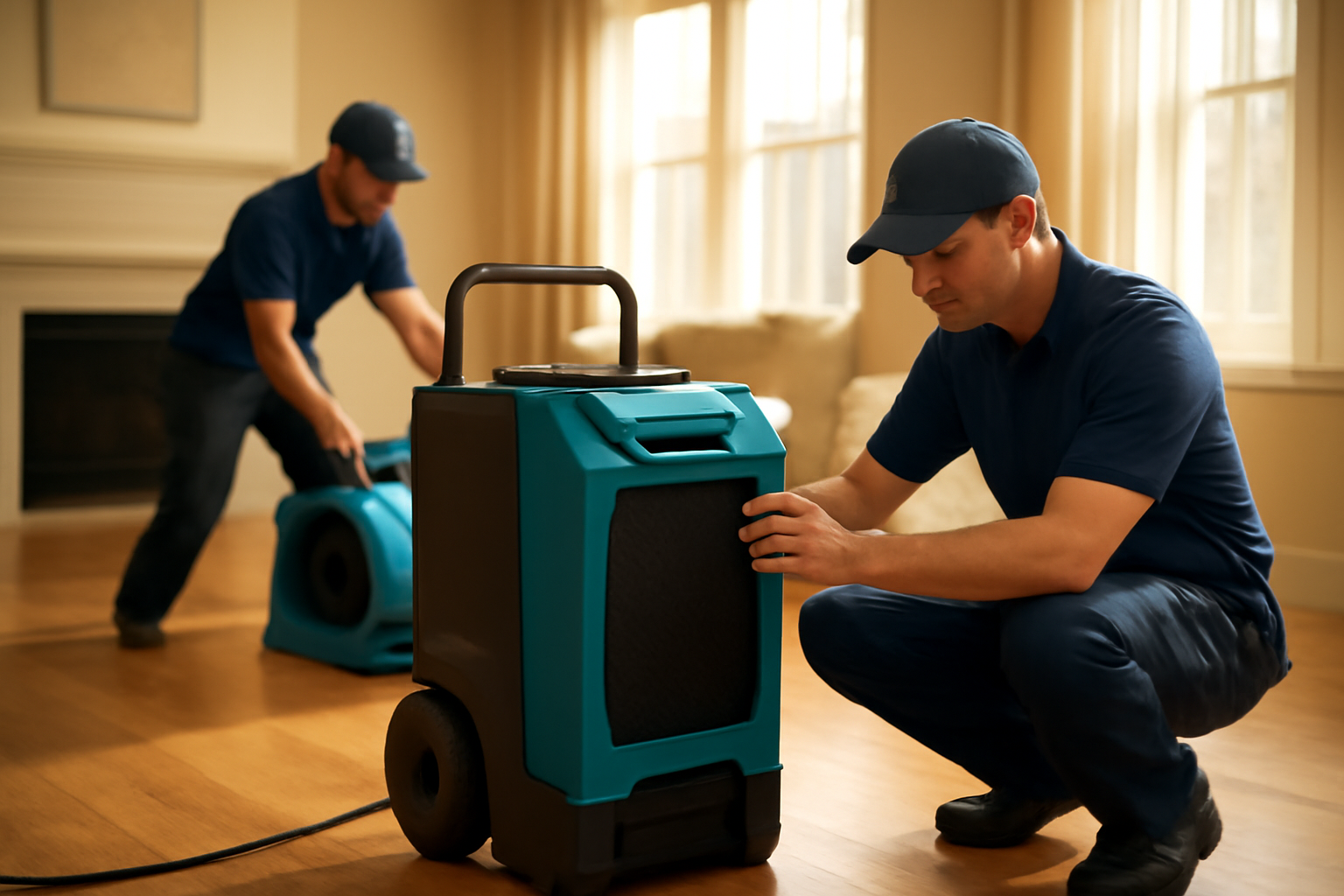
Water damage restoration is not a DIY job for most homeowners. Professionals have specialized drying equipment, moisture meters, and the knowledge to ensure your home is truly dry. They can also help mitigate potential secondary damage like mold or structural issues. If you’ve experienced a leak, especially a large one, call a professional right away.
Expert Restoration Services
Companies like Eden Prairie Restoration Pros are equipped to handle all types of water damage. From extraction and drying to mold remediation and structural repairs, they offer a complete solution. They can also provide guidance on preventing future problems. Getting expert advice today can save you a lot of headaches down the road.
Conclusion
Your water heater’s age is a critical factor in its potential for leaks. By understanding the lifespan of these units, recognizing warning signs, and performing regular maintenance, you can mitigate risks. If your water heater is old, consider proactive replacement to avoid costly and damaging leaks. Should a leak occur, prompt and professional restoration is key to protecting your home and health. If you’re facing water damage, Eden Prairie Restoration Pros is your trusted resource for swift and effective recovery.
What is the average lifespan of a water heater?
The average lifespan for a conventional tank water heater is between 8 and 12 years. Tankless models generally last longer, often up to 20 years. This can vary based on water quality and maintenance.
Can a leaking water heater cause mold?
Yes, absolutely. Standing water from a leak creates an ideal environment for mold to grow, especially if it goes unnoticed. Mold can start to form in as little as 24-48 hours. This highlights the importance of quick cleanup and drying. It also relates to the health dangers involved with prolonged exposure to moldy environments.
How do I know if my water heater is about to leak?
Look for signs like rust-colored water, unusual noises (rumbling or popping), reduced hot water, or visible rust or leaks around the base of the unit. These are all indicators that your water heater may be nearing the end of its life or is already experiencing issues. Don’t wait to get help if you see these signs.
Is it better to repair or replace an old water heater?
For water heaters that are nearing or have passed their expected lifespan (8-12 years), replacement is often the better option. While repairs might seem cheaper initially, older units are more prone to future failures. Proactive replacement can prevent much larger, more costly water damage incidents. Consider the potential for interior water damage from a future leak.
What should I do immediately if my water heater leaks?
First, shut off the water supply valve to the water heater. Then, turn off the power or gas supply to the unit to prevent further damage or safety hazards. After that, safely remove any standing water if possible and call a professional restoration company to assess and address the damage. Acting fast can minimize the extent of the problem.