Tenant Water Damage Rights You Should Know
Trusted by 155+ Homeowners
Tenant water damage rights protect you from unfair blame and ensure timely repairs. Knowing your rights helps you navigate landlord responsibilities and get your home fixed.
Understanding tenant water damage rights is key to protecting your living space and security deposit. It clarifies who handles repairs and costs.
TL;DR:
- Tenants have rights regarding water damage, often involving landlord responsibility for repairs.
- Lease agreements define specific duties for both tenants and landlords.
- Prompt reporting of damage is usually a tenant’s primary obligation.
- Landlords must typically address structural issues and hazards caused by water.
- Knowing your rights can prevent disputes and ensure a safe living environment.
Tenant Water Damage Rights You Should Know
Discovering water damage in your rental can be a real headache. It’s often a stressful situation, especially when you’re unsure about your responsibilities. Many tenants wonder, “What are my tenant water damage rights?” We found that understanding these rights is the first step to resolving the issue efficiently and fairly. This guide will help you navigate the complexities.
Your Basic Rights as a Tenant
You have a right to a safe and habitable living space. This means your landlord must maintain the property. Water damage can compromise habitability. This includes issues like mold growth or structural instability. Your landlord usually has a legal duty to address such problems promptly. Ignoring them can lead to serious health risks.
Understanding Habitability
A habitable home means it’s fit to live in. This includes essential services like plumbing and structural integrity. Water damage, especially from leaks or floods, can make a home uninhabitable. Research shows that landlords are generally responsible for maintaining these conditions. They must make repairs to restore habitability.
Landlord Responsibilities vs. Tenant Responsibilities
The line between landlord and tenant responsibility can sometimes blur. However, general principles exist. Your lease agreement is the primary document outlining duties. Generally, landlords are responsible for repairs stemming from the property’s structure or major systems. You, as the tenant, are usually responsible for damage caused by your own negligence or misuse.
When the Landlord Pays
If water damage arises from issues like a leaky roof, burst pipes (not due to freezing from lack of heat), or appliance malfunctions within the building’s system, it’s often the landlord’s problem. They have a duty to maintain the building. This is a key aspect of landlord water damage repair obligations by law. This often falls under their repair obligations.
When You Might Pay
On the flip side, if you accidentally overflow a bathtub, clog drains with improper items, or cause damage through neglect, you might be liable. It’s important to be mindful of how you use the property. This distinction is a key related factor when assessing fault.
Reporting Water Damage: Your First Step
The moment you notice water damage, you need to act. Your lease likely has a clause about reporting issues. Prompt notification is usually your main obligation. This protects the property from further damage. It also shows you are not responsible for the worsening conditions. Do not wait to get help. Report it immediately.
How to Report Effectively
Always report water damage in writing. An email or a dated letter is best. Keep a copy for your records. This creates a clear paper trail. Mention the date you noticed the damage and its location. This documentation is vital if disputes arise. It proves you fulfilled your duty to inform.
What Landlords Must Do After Water Damage
Once notified, your landlord has a legal obligation to respond. What landlords must do after water damage varies by location. However, most require them to inspect the damage and begin repairs within a reasonable timeframe. This is an important consideration for tenants.
Reasonable Timeframe for Repairs
What constitutes “reasonable” depends on the severity of the damage. Minor issues might need fixing within days. Major problems, like extensive flooding, might take longer. However, the landlord must make a good-faith effort. They should not unreasonably delay repairs. This addresses the restoration responsibility.
Temporary Relocation Assistance
In cases where the damage makes the property uninhabitable, you might be entitled to temporary housing. Check your local laws and lease agreement. Some jurisdictions require landlords to provide or pay for alternative accommodation. This is a significant tenant right.
Understanding Your Lease Agreement
Your lease is your contract. It details your rights and responsibilities. Carefully review sections related to maintenance, repairs, and damage. Pay attention to clauses about reporting issues and liability. For those in commercial spaces, understanding commercial lease water damage clauses explained is vital for business water issues.
Lease Clauses to Watch For
Look for clauses specifying who is responsible for different types of repairs. Some leases might outline specific procedures for reporting damage. Others might detail how the repair costs involved are handled. Knowing these terms beforehand can prevent confusion.
When to Seek Professional Help
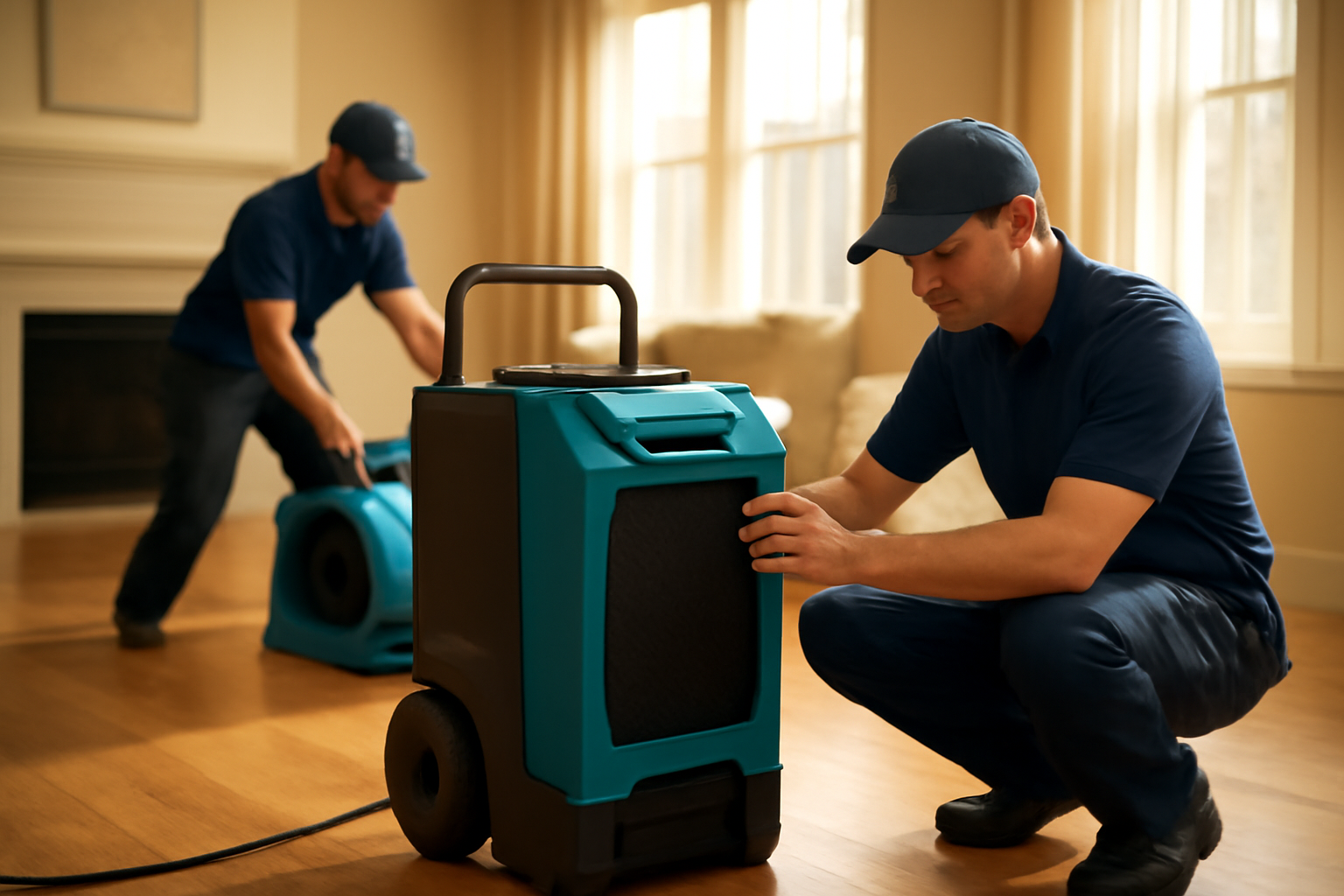
Sometimes, water damage is too extensive for a landlord to handle alone. Or, they might be unresponsive. In such cases, you may need to involve restoration professionals. Companies like Eden Prairie Restoration Pros can assess the damage and begin the drying process. This is crucial to prevent mold and further deterioration.
The Importance of Professional Restoration
Professional water damage restoration is essential for thorough drying and cleanup. They have the equipment and expertise. This helps mitigate long-term damage and health hazards. For landlords, understanding the restoration cost factors can help in making informed decisions about repairs.
| Scenario | Likely Responsible Party | Tenant Action |
|---|---|---|
| Leaky pipe in wall | Landlord | Notify landlord in writing. |
| Overflowed bathtub due to negligence | Tenant | Clean up and report to landlord. |
| Roof leak after a storm | Landlord | Notify landlord in writing immediately. |
| Clogged drain from improper disposal | Tenant | Clear clog or hire a plumber if allowed; notify landlord. |
| Sump pump failure during heavy rain | Landlord | Notify landlord in writing. |
Navigating Disputes and Legal Options
If your landlord is not fulfilling their obligations, you have options. You can send a formal demand letter. You might be able to withhold rent (in some areas, and only after following strict legal procedures). You could also potentially break the lease or sue for damages. Consulting with a tenant rights organization or an attorney is wise. This helps understand your specific legal standing regarding landlord vs tenant: who pays for water damage.
Document Everything
Keep records of all communication, photos of the damage, and repair attempts. This evidence is critical. It supports your case if a dispute escalates. Proper documentation is key to asserting your restoration responsibility claim if needed.
Preventing Future Water Damage
As a tenant, you can take steps to prevent minor issues from becoming major problems. Keep drains clear. Report small leaks immediately. Ensure appliances are used correctly. These actions can help avoid situations where you might be deemed responsible for damage. It also helps maintain a safe living environment.
Tenant Checklist for Water Damage Prevention
- Check under sinks for slow drips.
- Report any musty smells promptly.
- Do not pour grease or large food scraps down drains.
- Ensure washing machine hoses are in good condition.
- Report faucet drips to your landlord.
- Keep windows and doors sealed during heavy rain.
Conclusion
Dealing with water damage as a tenant can be stressful, but knowing your rights is empowering. Remember to always communicate with your landlord in writing and document everything. While the specifics can vary by location and lease agreement, the core principle remains: you deserve a safe and habitable home. If you’re facing water damage and need expert assessment and mitigation services, Eden Prairie Restoration Pros is here to help restore your peace of mind and your living space.
What if the water damage is minor?
Even minor water damage should be reported. Small leaks can quickly lead to bigger problems like mold growth. Your landlord still needs to address it to maintain the property’s habitability. Always err on the side of caution and inform them.
Can I withhold rent if my landlord doesn’t fix water damage?
In many places, you can withhold rent, but only after following very specific legal procedures. This usually involves providing written notice and waiting a set period. Improperly withholding rent can lead to eviction. It’s best to seek legal advice before withholding rent.
How long does a landlord have to fix water damage?
The timeframe varies by state and the severity of the damage. For essential services or conditions affecting habitability, landlords generally must act within a “reasonable” time, often a few days. For less urgent issues, they might have a bit longer.
What if the water damage was caused by a neighbor?
If the damage originated from a neighbor’s unit (e.g., their overflowing tub), your landlord may still be responsible for fixing your unit. They might then seek compensation from the neighbor or their insurance. Your primary recourse is still your landlord.
Does my renter’s insurance cover water damage?
Renter’s insurance typically covers your personal belongings if they are damaged by water. It usually doesn’t cover the building structure itself, which is the landlord’s responsibility. Check your policy details for specifics.