Trusted by 155+ Homeowners
How Negative Air Pressure Is Used In Mold Cleanup
- Over 157 5-Star Reviews
- Free Estimates and Quotes
- 100% Satisfaction Guaranteed
- Child, Family & Pet Safe Steps
- 24-Hour Emergency Service
- Fully Licensed & Insured
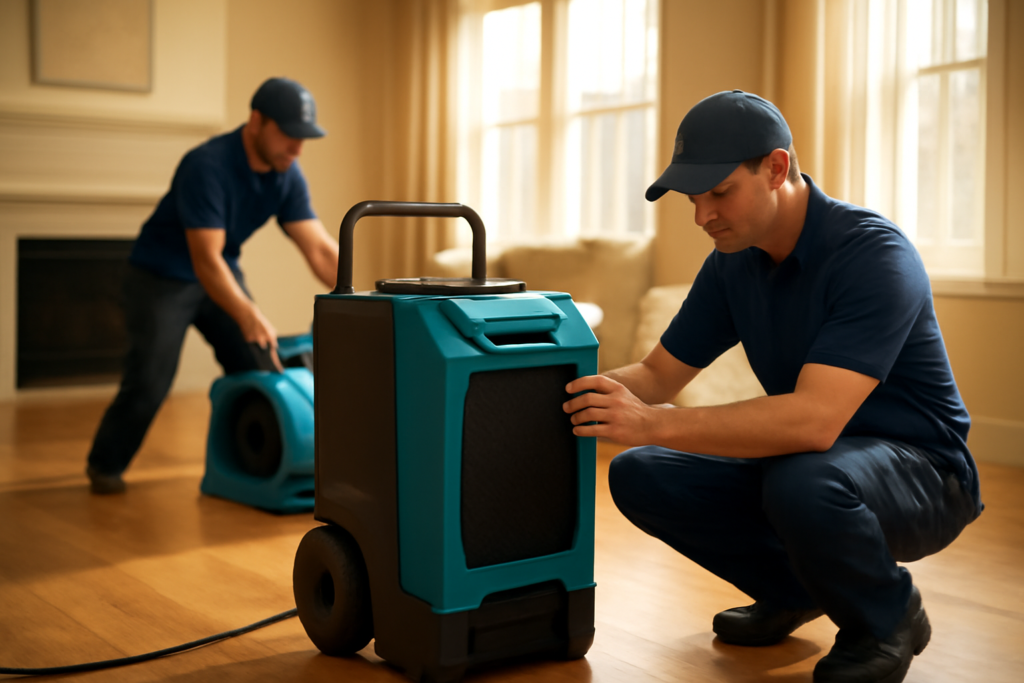
Negative air pressure is a critical technique used in mold cleanup to contain airborne mold spores. It works by creating an environment where air flows inward, preventing mold from escaping the work area.
This method is essential for protecting your home and its occupants from the spread of mold during remediation.
TL;DR:
- Negative air pressure seals off the moldy area.
- It uses fans to pull air out, creating a vacuum.
- This prevents mold spores from spreading to other parts of your home.
- It’s a key part of safe and effective mold remediation.
- Always trust professionals for this specialized work.
How Negative Air Pressure Is Used in Mold Cleanup
When mold takes hold in your home, it can feel like a relentless invader. You might wonder how professionals keep it from spreading everywhere. One of the most effective tools in their arsenal is negative air pressure. But what exactly is it, and how does it work to keep your home safe during mold remediation?
Understanding the Basics of Air Pressure
Think of air pressure like a gentle push. Normally, air pressure is pretty equal everywhere around you. But when we talk about mold cleanup, we intentionally change this balance. We create a situation where the air pressure inside a contained area is lower than the air pressure outside that area. This difference is what we call negative air pressure.
What is Negative Air Pressure?
Essentially, negative air pressure is like creating a gentle vacuum. We use specialized equipment, like HEPA-filtered exhaust fans, to pull air out of the contaminated space. This air is then filtered and expelled outside. The goal is to make sure any air moving is moving into the moldy area, not out of it.
Why is it Important for Mold?
Mold spores are tiny and can easily become airborne. If you disturb mold without proper containment, these microscopic particles can float through your house. They can settle in new areas and start new mold colonies. This is where negative air pressure becomes your best friend. It acts as a barrier, trapping the spores.
The Mechanics of Containment
Creating a contained work area is the first step. Professionals will seal off the affected room or area. This might involve covering doorways with plastic sheeting and taping down all edges. They ensure there are no gaps where air can escape.
Setting Up the Containment Zone
Imagine building a temporary, airtight room within your home. This is what containment aims to achieve. They use sturdy plastic sheeting and specialized tapes to seal off vents, doorways, and any other openings. This careful sealing is crucial for the negative air system to work effectively.
How Fans Create the Pressure Difference
Once the containment is in place, the fans come in. These aren’t your average household fans. They are powerful exhaust units, often connected to ducting that leads outside. By continuously pulling air out of the contained zone and filtering it, the fans lower the air pressure inside.
This process is a cornerstone of professional remediation. Without it, airborne contaminants could easily spread. Many experts say this containment is as important as the cleaning itself.
The Role of HEPA Filtration
It’s not enough to just blow air outside. We need to make sure the air being expelled is clean. That’s where HEPA filters come in. High-Efficiency Particulate Air (HEPA) filters are designed to capture incredibly small particles, including mold spores.
Capturing Airborne Spores
As the air is pulled out of the containment area by the exhaust fans, it passes through these powerful HEPA filters. The filters trap the mold spores and other microscopic debris. This ensures that only clean air is released into the outside environment, protecting both your home and the community.
Protecting Air Quality
This filtration step is vital for preventing cross-contamination. It means that even though air is being moved, the mold spores stay contained. This protects the air quality in the unaffected parts of your home. Research shows that proper filtration can drastically reduce airborne spore counts.
Benefits of Using Negative Air Pressure
Why go through all this trouble? The benefits are significant for the success of the mold cleanup and for your health. It’s a smart strategy for mold control.
- Prevents Spread: The primary benefit is stopping mold spores from traveling to other rooms.
- Worker Safety: It protects remediation professionals from breathing in hazardous spores.
- Occupant Protection: It safeguards you and your family from potential exposure.
- Effective Cleaning: It allows for more thorough cleaning of the affected area.
- Minimizes Odors: It helps to contain musty odors associated with mold.
This approach is central to understanding how mold remediation works: a full breakdown. It’s a multi-step process designed for maximum effectiveness and safety.
When is Negative Air Pressure Used?
This technique isn’t always necessary for very small mold spots. However, it becomes essential when dealing with moderate to severe mold infestations. If mold has spread across a significant area, or if there’s a risk of airborne contamination, negative air pressure is a must.
Dealing with Attic Mold
Attics can be prone to mold due to poor ventilation and moisture buildup. When you discover attic mold: causes risks and remediation guide, using negative air pressure is often recommended. This prevents spores from migrating down into your living spaces. Attic mold can have serious health effects of mold if left unchecked.
Beyond Mold: Other Remediation Needs
While we’re focusing on mold, this technique is also useful in other scenarios. For example, during lead paint remediation, containment is key. Professionals use similar methods to prevent lead dust from spreading. This is part of what homeowners need to know about lead-paint remediation: what homeowners need to know.
Potential Challenges and Considerations
While highly effective, negative air pressure systems require careful setup. Improper installation can lead to issues. It’s not a DIY job for most homeowners.
Maintaining the Seal
The containment needs to remain intact throughout the process. Any tears in the plastic or loose tape can compromise the system. Professionals constantly monitor the containment to ensure it’s working.
Power Requirements
These powerful fans require a reliable power source. Power outages can stop the system, potentially allowing spores to escape. Backup power solutions might be necessary in some situations.
The time it takes to set up and run these systems is a factor in how long does mold remediation take. It adds to the overall duration but is critical for proper results.
The Importance of Professional Expertise
Setting up and managing a negative air pressure system requires specialized knowledge and equipment. It’s not something you can easily replicate with household tools. Professionals understand the precise pressure differentials needed and how to maintain them safely.
Why Not DIY?
Attempting to create negative air pressure yourself can be ineffective or even dangerous. You might inadvertently spread more mold spores. You could also expose yourself to serious health risks without adequate protection. It’s always best to rely on experts for this kind of work.
The cost of professional remediation reflects the specialized equipment, training, and safety protocols involved. Understanding how much does mold remediation really cost can help you budget for these essential services.
Conclusion
Negative air pressure is a sophisticated yet vital technique in the mold cleanup process. By carefully controlling airflow, professionals can effectively contain mold spores, protect your home’s structure, and ensure the health and safety of its occupants. It’s a key component of a thorough and successful remediation project. When facing a mold issue, remember that professional help is the safest and most effective route. For expert mold remediation services in your area, Eden Prairie Restoration Pros is a trusted resource you can count on.
What is the primary goal of negative air pressure in mold cleanup?
The main goal is to prevent the spread of airborne mold spores from the contaminated area to other parts of your home or building. It contains the problem.
How does negative air pressure actually work?
It works by using fans to pull air out of a sealed containment area and filter it before releasing it outside. This creates a pressure difference, causing outside air to flow into the containment, rather than moldy air flowing out.
Can I create negative air pressure with a regular fan?
No, regular fans are not designed for this. Professional mold remediation uses specialized, high-powered HEPA-filtered exhaust fans to achieve the necessary airflow and filtration for effective containment.
Is negative air pressure always used for any mold discovery?
No, it’s typically used for moderate to severe mold infestations where there’s a significant risk of airborne spore dispersal. Small, surface-level mold might be handled with less intensive methods.
What happens if the negative air pressure system fails during remediation?
If the system fails, the containment seal might be compromised, potentially allowing mold spores to escape. Professionals monitor these systems closely and have contingency plans in place.

Levi Lemieux is a licensed Damage Restoration Expert with more than 20 years of hands-on experience in disaster recovery and structural mitigation. As a seasoned industry authority, Levi has dedicated two decades to mastering the technical complexities of environmental safety, providing property owners with the reliable expertise and steady leadership required to navigate high-stress property losses with absolute confidence.
𝗖𝗲𝗿𝘁𝗶𝗳𝗶𝗰𝗮𝘁𝗶𝗼𝗻𝘀: Levi holds elite IICRC credentials, including Water Damage Restoration (WRT), Applied Structural Drying (ASD), Mold Remediation (AMRT), Fire and Smoke Restoration (FSRT), and Odor Control (OCT).
𝗙𝗮𝘃𝗼𝗿𝗶𝘁𝗲 𝗣𝗮𝘀𝘁𝗶𝗺𝗲: When off-site, Levi is a passionate mountain biker and an amateur astronomer, hobbies that reflect the endurance and precision he brings to every restoration project.
𝗕𝗲𝘀𝘁 𝗣𝗮𝗿𝘁 𝗼𝗳 𝘁𝗵𝗲 𝗷𝗼𝗯: He finds the most fulfillment in providing a clear path forward for families, turning a site of devastation back into a safe, comfortable home.