
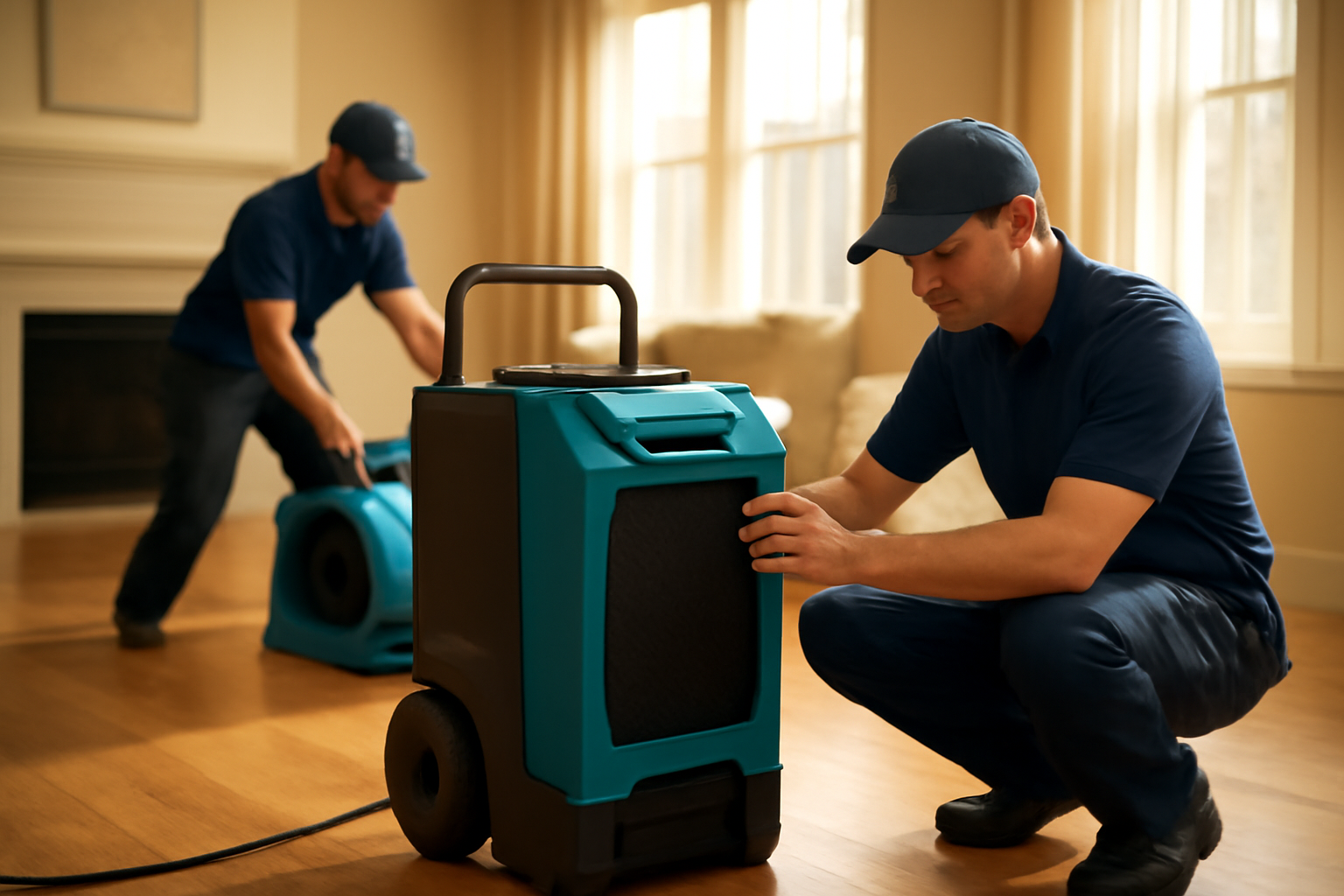
Hurricane Season Prep: A Month-by-month Home Guide
Trusted by 155+ Homeowners
Hurricane season prep is essential for protecting your home. A month-by-month guide helps you tackle tasks systematically, reducing stress and potential damage.
Following a structured plan ensures you are ready for severe weather events, safeguarding your property and family.
TL;DR:
- Start early: Begin hurricane prep months in advance.
- Month-by-month tasks: Follow a schedule for inspections and repairs.
- Exterior checks: Focus on roofs, windows, doors, and drainage systems.
- Interior readiness: Secure valuables and prepare emergency kits.
- Stay informed: Monitor weather forecasts and local advisories.
Hurricane Season Prep: A Month-by-Month Home Guide
Hurricane season can feel daunting. But with a good plan, you can feel much more prepared. A month-by-month approach breaks down the tasks. It makes sure you cover all your bases. Let’s get your home ready.
Why Start Early?
Waiting until a storm is on the horizon is a recipe for disaster. Supplies run out. Repair services are booked solid. You’ll feel much calmer if you’ve already done the work. Early preparation is key to avoiding panic.
The Benefits of a Schedule
A schedule helps you avoid forgetting important steps. It spreads the work out. This makes it less overwhelming. You can tackle one area at a time. This ensures thoroughness.
Early Preparations: 3-6 Months Out
The best time to start is well before hurricane season officially begins. Think early spring. This gives you ample time for any necessary repairs. It also allows for ordering special supplies if needed.
Home Exterior Inspection
Your home’s exterior is the first line of defense. Look for any signs of wear and tear. This is a good time to consider storm-proofing your home. A thorough check can prevent future problems.
Roof and Gutters
Your roof is a major vulnerability. Check for loose or missing shingles. Inspect flashing around vents and chimneys. Clean out your gutters and downspouts. Clogged gutters can cause water to back up. This can lead to significant damage. Ensure downspouts are properly directed away from the foundation. This helps prevent water intrusion risks.
Windows and Doors
Inspect window seals and caulking. Ensure doors close and latch securely. Consider installing storm shutters. These offer excellent protection against wind and debris. Strong winds can exploit weak points.
Yard and Landscaping
Trim trees and remove dead branches. Overhanging limbs are a major hazard during storms. Secure outdoor furniture, grills, and decorations. These items can become dangerous projectiles. Check your grading and drainage to ensure water flows away from your home.
Mid-Season Preparations: 1-2 Months Out
As you get closer to peak season, focus on specific systems and supplies. This stage is about reinforcement and stocking up.
Check Your Drainage Systems
Beyond gutters, examine other drainage. Ensure sump pumps are working correctly. Check that French drains are clear. Proper drainage is vital to prevent basement flooding. This is a critical part of your interior water damage prevention.
Secure Utilities
Know how to shut off your gas, water, and electricity. Only do this if necessary. Have a professional show you how. Make sure your main water valve is accessible. This can stop flooding if pipes burst.
Prepare Your Emergency Kit
Stock up on non-perishable food and water. Include a first-aid kit, flashlights, and batteries. Don’t forget medications. Have a battery-powered or hand-crank radio. This keeps you informed if power goes out.
Document Your Belongings
Take photos or videos of your home’s interior and exterior. Document valuable possessions. Store this information digitally and in a safe place off-site. This is crucial for insurance claims if the worst happens.
The Final Countdown: 1-4 Weeks Out
This is the critical phase. You should be finishing up tasks. You also need to stay alert to weather patterns.
Reinforce Weak Points
If you have temporary storm shutters, install them now. Board up windows if necessary. Ensure garage doors are secured. Garages can be vulnerable to wind pressure. They can experience significant water intrusion risks.
Secure Your Roof Again
Double-check any recent roof repairs. Ensure everything is sealed tight. A professional storm roof inspection is a wise investment. This ensures you haven’t missed anything. Commercial buildings also need attention, with regular roof drain maintenance being key.
Review Your Evacuation Plan
Know your evacuation routes. Have a designated meeting place. Ensure your car has a full tank of gas. Keep important documents in a waterproof bag. These are vital storm prep steps.
Stay Informed
Monitor weather forecasts closely. Pay attention to local emergency management advisories. Know when to enact your emergency plan. Early warnings can save lives and property.
During the Storm
Stay inside and away from windows. Listen to your radio for updates. Do not go outside until authorities say it is safe. Be prepared for power outages.
After the Storm
Assess damage carefully. Avoid downed power lines. Watch out for structural damage. Document any damage for insurance. If you experience significant water damage or structural issues, call a professional restoration company right away. Do not wait to get help when dealing with water and mold.
Checklist: Your Hurricane Prep Action Plan
- Inspect roof and gutters.
- Check windows and doors for integrity.
- Trim trees and secure outdoor items.
- Test sump pump and drainage.
- Assemble and check emergency kit supplies.
- Review and practice evacuation plan.
Conclusion
Hurricane season preparation is an ongoing process. By following a month-by-month guide, you can systematically secure your home. This reduces anxiety and protects your family and property. If disaster strikes and you need assistance with water damage, fire damage, or storm recovery, Eden Prairie Restoration Pros is a trusted resource in the community. We understand the stress these events cause and are here to help you recover.
What is the most important thing to do for hurricane prep?
The most important thing is to start early. A structured, month-by-month approach allows for thorough inspections and necessary repairs. It also prevents last-minute panic and ensures you have essential supplies.
How often should I check my roof before hurricane season?
It’s wise to have at least one thorough roof inspection in the spring. A follow-up check before peak season, perhaps in early summer, is also a good idea. Look for any new signs of wear or damage.
What should I do if my home floods during a hurricane?
Your safety is the priority. Evacuate if advised. If it’s safe to stay, avoid contact with floodwater and shut off electricity to affected areas if possible. Once it’s safe, contact a professional restoration service immediately to assess and mitigate the damage. Acting fast can prevent mold and further structural issues.
Are storm shutters really necessary?
Yes, storm shutters offer significant protection. They are designed to withstand high winds and flying debris, which can shatter windows and cause extensive interior damage. They are a highly recommended part of storm-proofing your home.
How can I prepare my garage for hurricane season?
Ensure your garage door is sturdy and well-maintained. Check for any leaks or cracks in the foundation walls. Clear out clutter to prevent it from becoming debris. Consider elevated storage for items you want to protect from potential flooding.