
Trusted by 155+ Homeowners
Can Mold Grow Inside Air Ducts And Hvac Systems?
- Over 157 5-Star Reviews
- Free Estimates and Quotes
- 100% Satisfaction Guaranteed
- Child, Family & Pet Safe Steps
- 24-Hour Emergency Service
- Fully Licensed & Insured
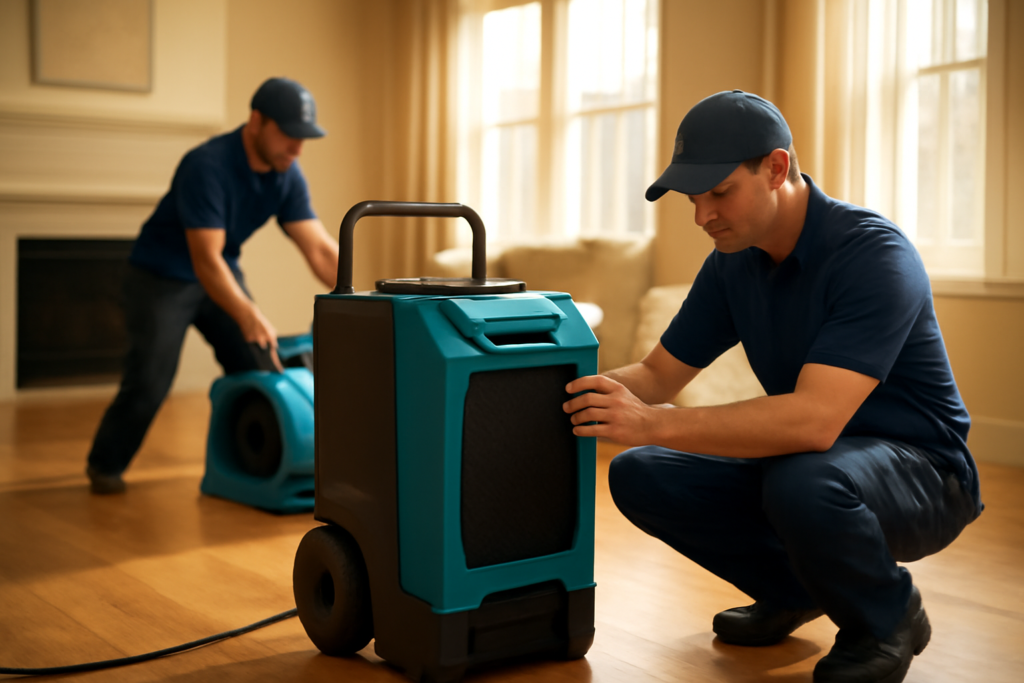
Yes, mold can absolutely grow inside air ducts and HVAC systems.
This growth is often fueled by condensation and lingering moisture, leading to potential air quality issues.
TL;DR:
- Mold thrives in the dark, damp environment of air ducts and HVAC systems.
- Moisture from condensation, leaks, or high humidity is the primary culprit.
- Visible mold, musty odors, and allergy symptoms can indicate a problem.
- Regular HVAC maintenance and prompt water damage repair are key prevention steps.
- Professional cleaning and inspection are recommended for suspected mold issues.
Can Mold Grow Inside Air Ducts and HVAC Systems?
It’s a question many homeowners ask, especially when they notice strange smells or health symptoms. The short answer is a resounding yes. Your home’s ventilation system, including air ducts and the HVAC unit itself, can become a breeding ground for mold if the conditions are right. Think of it like a dark, cozy cave for mold spores, often with a steady supply of food (dust and organic matter) and occasional moisture. It’s not a pleasant thought, but understanding how it happens is the first step to preventing it.
The Perfect Storm for Duct Mold
Several factors create the ideal environment for mold to take hold within your HVAC system. The most critical element is moisture. Without it, mold spores can’t establish themselves and grow. Where does this moisture come from? It can be from condensation that forms on cold duct surfaces, especially during humid summer months. Leaky pipes near the HVAC unit or within the ductwork can also introduce water. Even high indoor humidity can contribute to dampness inside the system over time. We found that areas with poor insulation or frequent temperature changes are particularly vulnerable.
Condensation: The Silent Culprit
Air conditioners work by cooling air, and as warm, humid air passes over the cold evaporator coils, condensation naturally forms. This water is usually drained away. However, if the drain line clogs or the unit isn’t functioning correctly, this moisture can pool and seep into the ductwork. This constant dampness provides the perfect setting for mold spores, which are almost always present in the air, to start growing. This is why addressing any water damage link is so important, especially during warmer months.
Leaks and Seepage
Beyond AC condensation, other leaks can be problematic. A small roof leak that drips into your attic, for instance, could eventually find its way to your ductwork. Similarly, plumbing leaks within walls near your HVAC system can introduce moisture. If these leaks go unnoticed, they create persistent damp spots that mold loves. Research shows that even small, slow leaks can lead to significant mold problems over time. It’s a classic example of how a seemingly minor issue can escalate, much like the water damage link demonstrates.
Signs You Might Have Mold in Your Ducts
How can you tell if your air ducts are harboring mold? Sometimes, it’s not obvious. You might not see the mold directly. However, there are tell-tale signs. The most common is a persistent musty odor that seems to come from your vents. This smell often gets worse when the HVAC system is running. You might also notice an increase in allergy-like symptoms among household members, such as sneezing, coughing, watery eyes, or skin irritation. These symptoms might be worse when you are inside your home.
The Lingering Musty Smell
That unmistakable musty smell is a strong indicator. Mold releases spores as part of its life cycle, and these spores can carry a distinct odor. When your HVAC system blows air through the ducts, it circulates these spores and their associated smells throughout your entire house. If you’re constantly asking yourself, “why does my house smell musty when it rains?”, the ducts could be a contributing factor, trapping and recirculating that dampness. This is often a key part of the mold smell source.
Health Symptoms on the Rise
Mold exposure can trigger a range of health issues, especially for those with allergies, asthma, or compromised immune systems. If you or your family members start experiencing unexplained respiratory problems, headaches, or skin rashes, and these symptoms improve when you leave the house, your HVAC system could be the culprit. It’s a sign that the air you’re breathing might be contaminated. Ignoring these symptoms can lead to more serious health risks.
Why Duct Mold is a Serious Concern
Mold in your air ducts isn’t just an unpleasant smell; it poses real risks to your home and health. The spores can spread easily throughout your living space, potentially contaminating other areas. Mold can also damage the ductwork itself over time, compromising its integrity. From an air quality perspective, it’s a major concern. You want your HVAC system to improve your indoor air, not worsen it. That’s why it’s critical to address mold issues promptly.
Impact on Indoor Air Quality
Your HVAC system is the lungs of your home. If those lungs are filled with mold, you’re essentially breathing in mold spores all day, every day. This can significantly degrade your indoor air quality, leading to the health symptoms mentioned earlier. Mold spores can also exacerbate existing respiratory conditions. This is why a thorough inspection is important if you suspect a problem. Don’t wait to get help if you notice changes in your home’s air.
Potential for Widespread Contamination
Once mold establishes itself in the ductwork, it doesn’t stay there. Every time your system runs, it can blow mold spores into every room. This can lead to mold growth in other areas of your home, such as carpets, walls, and furniture. It creates a cycle of contamination that can be very difficult to break. If you’ve experienced flooding, understanding water damage link is crucial for preventing this spread.
Preventing Mold Growth in Your HVAC System
The good news is that you can take steps to prevent mold from growing in your ducts. The key is to control moisture and keep your system clean. Regular maintenance is your best defense. This includes checking for and cleaning condensation drain pans and lines, ensuring proper insulation to prevent condensation, and inspecting for any leaks. Keeping your home’s humidity levels in check is also vital. A dehumidifier can be a great tool during humid periods.
Regular HVAC Maintenance is Key
Schedule professional HVAC inspections and tune-ups at least once a year. Technicians can identify potential problems, like clogged drains or minor leaks, before they become major issues. They can also clean components that are hard to reach. Remember, a well-maintained system is less likely to develop the damp conditions mold needs to grow. This routine care can save you from costly repairs down the line.
Control Indoor Humidity Levels
Aim to keep your indoor humidity between 30% and 50%. Use exhaust fans in bathrooms and kitchens to vent moisture outside. Consider a whole-house dehumidifier if your home consistently struggles with high humidity. Monitoring humidity levels can help prevent condensation from forming on surfaces within your HVAC system. This is a critical step in preventing moisture sources.
Keep Air Filters Clean and Dry
Dirty air filters restrict airflow, which can cause your system to work harder and potentially lead to overheating or increased condensation. Clogged filters can also trap moisture, creating a damp environment. Change your air filters regularly according to the manufacturer’s recommendations. This simple step helps maintain proper airflow and prevents moisture buildup.
What to Do If You Suspect Duct Mold
If you notice any of the signs of duct mold, it’s important to act quickly. Trying to clean mold from air ducts yourself can be ineffective and even spread spores further. It’s best to call a professional right away for an assessment. They have the specialized equipment and knowledge to safely and effectively clean your ducts and HVAC system. They can also help identify and fix the underlying moisture problem that allowed the mold to grow in the first place. Don’t wait to get help; early intervention is key.
Professional Inspection and Cleaning
A qualified restoration professional will first inspect your system to confirm the presence and extent of mold. They use specialized tools to access and clean the ducts thoroughly. This often involves powerful vacuums and antimicrobial treatments. They can also clean the entire HVAC unit, including the coils and blower fan, which can also harbor mold. Getting expert advice today can save you a lot of trouble.
Addressing the Moisture Source
Cleaning the ducts is only part of the solution. A professional will also help you identify and repair the source of the moisture. This might involve fixing leaks, improving insulation, or addressing drainage issues. By tackling both the mold and the cause, you can ensure a long-term solution and prevent recurrence. It’s about restoring your home’s health, not just cleaning a symptom.
Conclusion
Mold can indeed grow inside air ducts and HVAC systems, creating significant indoor air quality issues and potential health risks. Moisture from condensation, leaks, or high humidity is the primary driver. Recognizing the signs, such as musty odors and increased allergy symptoms, is crucial for early detection. Regular HVAC maintenance, controlling indoor humidity, and keeping air filters clean are essential preventative measures. If you suspect mold in your system, it is vital to schedule a free inspection with a trusted professional. At Eden Prairie Restoration Pros, we understand the complexities of mold growth and water damage. We are equipped to handle these issues, helping you restore a healthy and safe environment in your home. Acting before it gets worse is always the best approach.
Can I see mold in my air ducts?
Often, you cannot see mold directly inside your air ducts because they are hidden. However, you might see it around vent openings or on surfaces near the HVAC unit. The most common indicators are usually the smell and health symptoms, rather than visible mold.
How much does it cost to clean mold from air ducts?
The cost can vary widely depending on the size of your system, the extent of the mold growth, and your location. It typically ranges from a few hundred to over a thousand dollars. It’s always best to get a detailed quote after a professional inspection.
Is DIY mold cleaning of air ducts a good idea?
Generally, no. DIY cleaning can be ineffective and may even spread mold spores throughout your home, making the problem worse. Professionals have specialized equipment and safety protocols to handle duct mold safely and thoroughly.
What is the best way to prevent mold in my HVAC system?
The best prevention is consistent moisture control. This means maintaining your HVAC system, ensuring proper drainage, keeping humidity levels low, and changing air filters regularly. Addressing any moisture sources promptly is key.
How often should air ducts be cleaned?
The National Air Duct Cleaners Association (NADCA) suggests cleaning ducts every 2-5 years, but this can depend on your home environment. If you have pets, live in a dusty area, or have occupants with allergies, more frequent cleaning might be beneficial.

Levi Lemieux is a licensed Damage Restoration Expert with more than 20 years of hands-on experience in disaster recovery and structural mitigation. As a seasoned industry authority, Levi has dedicated two decades to mastering the technical complexities of environmental safety, providing property owners with the reliable expertise and steady leadership required to navigate high-stress property losses with absolute confidence.
𝗖𝗲𝗿𝘁𝗶𝗳𝗶𝗰𝗮𝘁𝗶𝗼𝗻𝘀: Levi holds elite IICRC credentials, including Water Damage Restoration (WRT), Applied Structural Drying (ASD), Mold Remediation (AMRT), Fire and Smoke Restoration (FSRT), and Odor Control (OCT).
𝗙𝗮𝘃𝗼𝗿𝗶𝘁𝗲 𝗣𝗮𝘀𝘁𝗶𝗺𝗲: When off-site, Levi is a passionate mountain biker and an amateur astronomer, hobbies that reflect the endurance and precision he brings to every restoration project.
𝗕𝗲𝘀𝘁 𝗣𝗮𝗿𝘁 𝗼𝗳 𝘁𝗵𝗲 𝗷𝗼𝗯: He finds the most fulfillment in providing a clear path forward for families, turning a site of devastation back into a safe, comfortable home.