Mold In Schools And Daycares: Rules And Remediation
Trusted by 155+ Homeowners
Mold in schools and daycares is a serious concern for parents and staff. Early detection and proper remediation are key to ensuring a safe environment.
Understanding the rules and remediation steps for mold in educational facilities is vital for protecting children’s health.
TL;DR
- Mold in schools and daycares poses health risks, especially to children.
- Regulations exist to guide schools on mold prevention and remediation.
- Prompt identification and professional cleanup are essential for safety.
- Regular inspections and maintenance help prevent mold growth.
- Consulting experts ensures proper and compliant mold removal.
Mold in Schools and Daycares: Rules and Remediation
Finding mold in a school or daycare can be alarming. These environments are where our youngest and most vulnerable spend their days. It’s natural to worry about the air they breathe and the surfaces they touch. Many parents ask, “What are the rules about mold in schools?” and “How is it cleaned up?”
Why Mold in Schools is a Big Deal
Children’s developing bodies can be more susceptible to the health effects of mold. They might experience allergies, asthma flare-ups, or other respiratory issues. That’s why schools and daycares have a responsibility to maintain a healthy environment. Mold thrives in damp, dark conditions, and unfortunately, these can sometimes be found in older buildings or areas with water damage.
Understanding the Rules and Regulations
While there isn’t one single federal law dictating mold rules for all schools, various guidelines and regulations come into play. Organizations like the Environmental Protection Agency (EPA) offer recommendations. State and local health departments also have their own standards. These often cover:
- Requirements for identifying and assessing mold.
- Protocols for remediation and cleanup.
- Guidelines for preventing future mold growth.
- Notification procedures for parents and staff.
Many school districts create their own internal policies based on these recommendations. These policies aim to ensure a safe learning environment for everyone. It’s important for school administrators to be aware of and follow these guidelines diligently.
Common Causes of Mold in Educational Settings
Mold needs moisture to grow. Common culprits in schools and daycares include:
- Leaky roofs or plumbing issues.
- Poor ventilation in restrooms or kitchens.
- Condensation on windows or pipes.
- Flooding or water damage from storms.
- Overflowing sinks or toilets.
Even small, unnoticed leaks can create the perfect breeding ground for mold. This is why regular building inspections are so important.
The Smell of Trouble: Identifying Mold
Sometimes mold is visible, appearing as discolored patches on walls, ceilings, or floors. Other times, you might notice a musty, earthy smell. This odor often signals hidden mold growth. If you suspect mold, it’s best to report it immediately to school authorities.
Mold Remediation Process: What to Expect
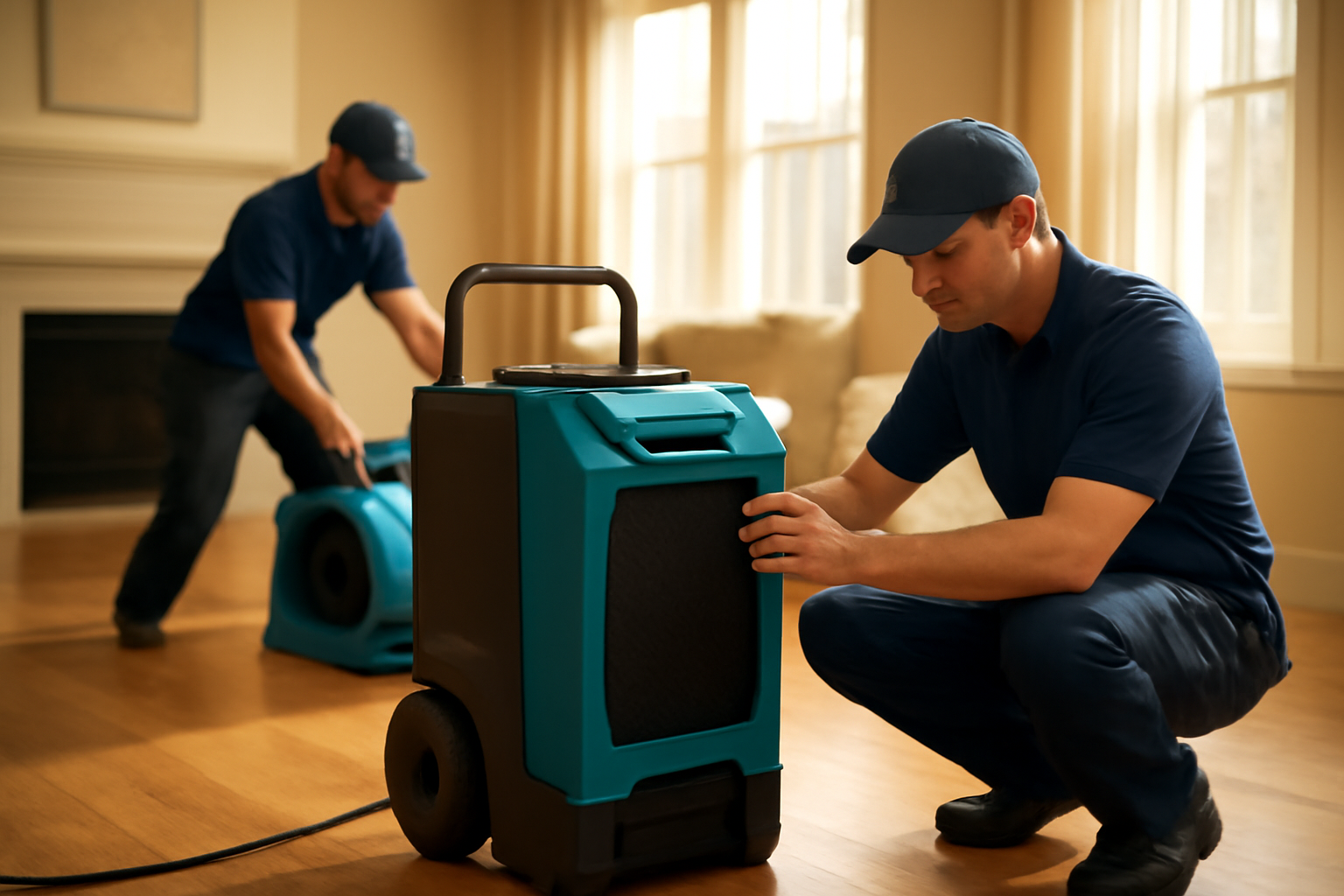
When mold is found, a professional remediation process is typically required. This isn’t a DIY job for schools. Experts follow strict protocols to ensure the mold is removed safely and effectively. The process usually involves:
Containment: Setting up barriers to prevent mold spores from spreading to other areas.
Removal: Safely cleaning or removing mold-infested materials.
Drying: Ensuring all affected areas are thoroughly dried.
Cleaning: Sanitizing the area to kill any remaining mold spores.
This detailed approach is part of the remediation process to ensure all mold is gone.
When to Call the Professionals
If a school discovers more than a small, isolated patch of mold, it’s time to call a professional right away. They have the specialized equipment and knowledge to handle the situation. Trying to clean up large mold infestations without proper training can actually spread spores and worsen the problem. This is also true for areas like attics, where specific issues can arise; consult an attic mold guide for more details.
How Long Does Mold Remediation Take?
The timeline for mold remediation can vary. Smaller issues might be resolved in a few days. Larger infestations, however, can take weeks. Factors influencing the time include the extent of the mold and the size of the affected area. This is part of understanding the remediation process. You can learn more about the typical duration by checking out details on how long does mold remediation take.
The Cost of Mold Remediation
The cost of mold remediation in schools can range widely. It depends on the severity of the mold and the size of the space. Some remediation projects can cost a few thousand dollars, while extensive problems can run into tens of thousands. It’s a significant investment, but one that prioritizes student and staff health and safety. For a clearer picture, consider reading about how much does mold remediation really cost.
Preventing Future Mold Problems
Prevention is always better than cure. Schools can take steps to minimize mold risks:
- Regularly inspect buildings for leaks and moisture issues.
- Ensure proper ventilation in all areas.
- Address water damage promptly and thoroughly.
- Maintain HVAC systems to control humidity.
- Educate staff on mold prevention and reporting.
These steps help prevent mold growth and maintain a healthy indoor environment. It’s about being watchful and taking action before problems start.
DIY vs. Professional Remediation: A Comparison
For very small, surface mold spots (less than 10 square feet) in a home setting, some minor cleaning might be possible. However, in schools and daycares, especially with children present, the stakes are much higher. Professional remediation is almost always the recommended route. They have the tools and training to handle mold safely. This ensures compliance with regulations and protects against serious health risks. It’s a task that requires expertise, similar to other specialized services like lead paint remediation: what homeowners need to know.
Mold and Children’s Health: A Closer Look
Children are particularly vulnerable. Their immune systems are still developing. Mold exposure can trigger:
- Allergic reactions like sneezing, runny nose, and itchy eyes.
- Asthma attacks in children with pre-existing conditions.
- Other respiratory symptoms like coughing and wheezing.
It is absolutely critical to address mold issues promptly to protect young lungs and bodies. The long-term effects of mold exposure on children are a serious concern.
Working with the Experts
When schools partner with mold remediation companies, they can trust that the job will be done right. Experts understand the remediation process from start to finish. They ensure containment, proper cleanup, and verification that the air quality is safe. This offers peace of mind to parents and administrators alike. You can learn more about how mold remediation works: a full breakdown.
Conclusion
Mold in schools and daycares is a serious issue that requires swift attention and professional handling. Understanding the rules, causes, and remediation steps is crucial for safeguarding children’s health. By prioritizing prevention and acting quickly when mold is suspected, educational institutions can maintain safe and healthy environments. If your school or daycare facility is dealing with potential mold issues, remember that prompt action and expert help are key. For trusted mold remediation services, Eden Prairie Restoration Pros is a resource dedicated to restoring safe and healthy spaces.
What are the main health risks of mold for children?
The main health risks include allergic reactions, asthma exacerbation, and other respiratory problems like coughing and wheezing. Children with pre-existing respiratory conditions are particularly vulnerable.
Who is responsible for mold remediation in a school?
Typically, school district administrators and facilities management teams are responsible. They must ensure compliance with health and safety regulations and often contract with specialized remediation companies.
Can mold in schools cause long-term health problems?
While more research is ongoing, prolonged exposure to mold in poorly managed environments can contribute to chronic respiratory issues and increased sensitivity to mold allergens over time.
What should parents do if they suspect mold in their child’s school?
Parents should report their concerns in writing to the school administration or the school district. It’s important to document the complaint and follow up regularly.
Are there specific testing requirements for mold in schools?
While not always mandated by a single law, many guidelines recommend air and surface sampling by qualified professionals to assess the extent of mold contamination and confirm successful remediation.