
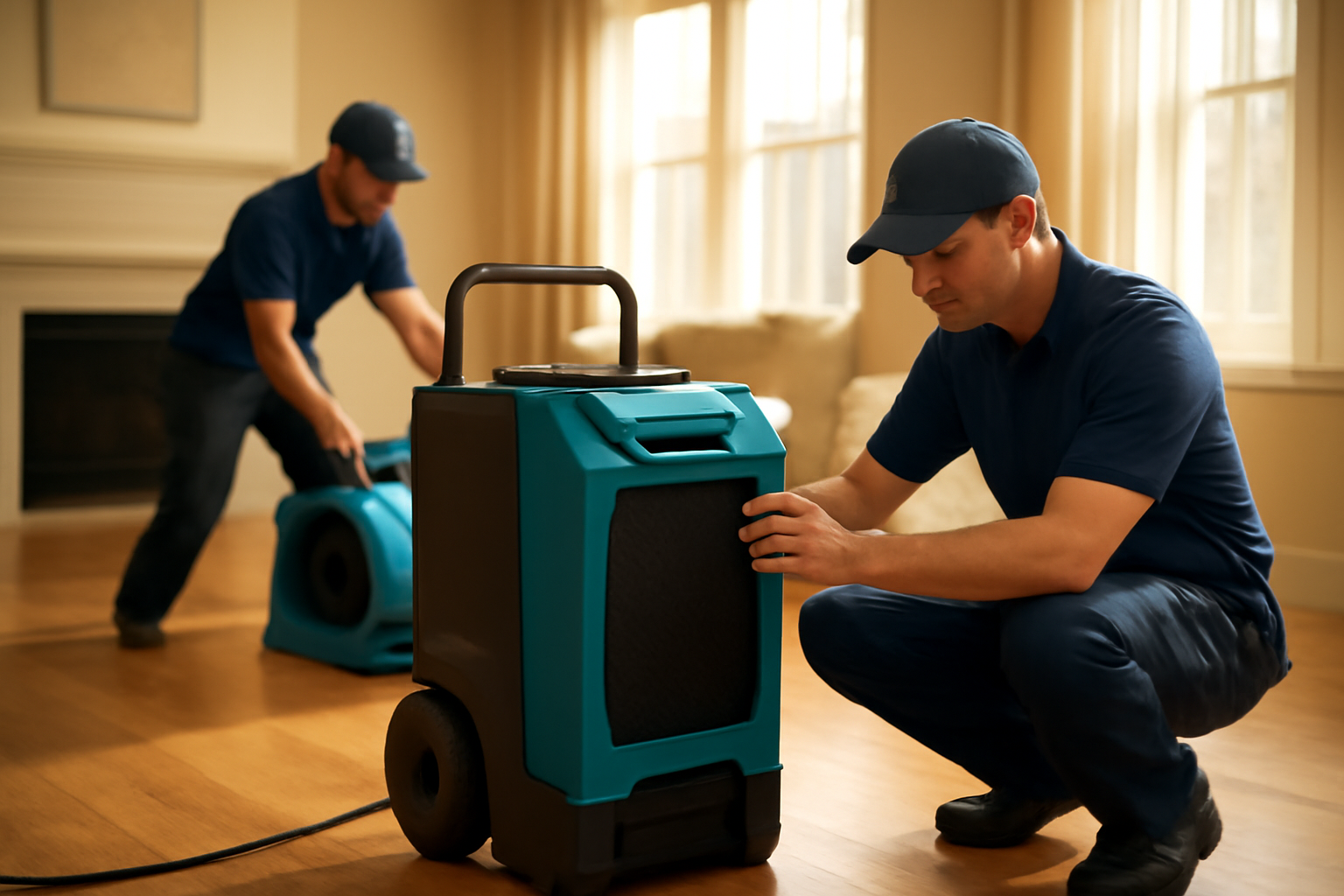
How Moisture Gets Into Your Crawl Space
Trusted by 155+ Homeowners
Moisture can easily get into your crawl space through cracks, gaps, and even porous materials. Common culprits include poor drainage, high humidity, and foundation issues.
Understanding how moisture enters your crawl space is the first step to preventing costly damage and health problems. This guide will break down the common entry points and causes.
TL;DR:
- Moisture enters crawl spaces via cracks, gaps, foundation issues, and plumbing leaks.
- Poor exterior drainage and high humidity are major contributors.
- Condensation forms when warm, moist air meets cool surfaces.
- Preventative measures like sealing, ventilation, and proper grading are key.
- Addressing moisture promptly prevents mold, rot, and structural damage.
How Moisture Gets Into Your Crawl Space
Your crawl space might seem like a hidden, out-of-sight area. But it’s a critical part of your home’s structure. Moisture can find its way in through many pathways. Ignoring these can lead to serious problems.
Cracks and Gaps: The Obvious Entry Points
Think of your foundation walls like a sieve. If there are any tiny cracks or gaps, water can seep through. This is especially true after heavy rains or snowmelt. Even small openings can become big issues over time.
Foundation Issues and Poor Grading
The way your home is graded matters. If the ground slopes towards your foundation, water will pool there. This constant moisture can then find its way into your crawl space. Poor exterior drainage is a leading cause of crawl space dampness.
Hydrostatic Pressure Plays a Role
When the soil around your foundation becomes saturated, it creates pressure. This is called hydrostatic pressure. It pushes water against your foundation walls. This pressure can force water through even the smallest openings. It’s a powerful force that can lead to significant interior water damage.
Vents and Openings: Letting the Outside In
Crawl spaces often have vents. These are meant for ventilation. However, they can also let in humid outside air. During humid summer months, this air can condense. This condensation adds moisture to your crawl space. Uncovered vents can be a direct path for moisture.
Condensation: The Silent Intruder
Condensation happens when warm, moist air meets a cooler surface. Your crawl space walls and pipes are often cooler than the air. This temperature difference causes water vapor to turn into liquid. This is how moisture builds up without any visible leaks.
Plumbing Leaks: A Direct Water Source
Your home’s plumbing often runs through the crawl space. A small leak in a pipe can go unnoticed for a long time. Even a slow drip can add a lot of moisture. These leaks contribute to a damp environment. Leaky pipes are a direct source of water.
Sump Pump Malfunctions
If you have a sump pump, it’s designed to remove water. But if it fails or isn’t powerful enough, water can accumulate. A malfunctioning sump pump can turn a minor water issue into a major flood. Regular sump pump checks are vital.
Poor Insulation and Vapor Barriers
Inadequate insulation can worsen condensation issues. It allows temperature differences to be more extreme. Also, a missing or damaged vapor barrier allows ground moisture to rise. This moisture then enters your crawl space air. Proper vapor barriers are essential.
The Impact of Ground Moisture
The soil beneath your home naturally holds moisture. Without a proper barrier, this moisture can evaporate upwards. It then saturates the air in your crawl space. This is a constant source of dampness. Ground moisture is a common problem.
Humid Climates and Seasonal Changes
Living in a humid climate naturally increases your risk. Even in drier climates, seasonal changes matter. Spring thaws and heavy summer rains can overwhelm your home’s defenses. Seasonal moisture can be tricky to manage.
What About Flooded Basement Floors?
While this article focuses on crawl spaces, the principles are similar for basements. Understanding flooded basement floors: concrete vs tile vs wood can help you grasp the impact of moisture. Water intrusion risks are high in any below-ground space.
The Dangers of a Wet Crawl Space
A damp crawl space is more than just unpleasant. It can lead to significant damage and health hazards. Recognizing these dangers can help you act before it gets worse.
Mold and Mildew Growth
Mold thrives in dark, damp environments. A wet crawl space is a perfect breeding ground. Mold spores can spread throughout your home. This can cause allergies and respiratory issues. Mold growth is a serious health risk.
Structural Damage to Your Home
Wood rot is a common consequence of moisture. It weakens floor joists and support beams. Over time, this can compromise your home’s structural integrity. Wood rot can be very costly to repair.
Pest Infestations
Moisture attracts pests like termites, ants, and rodents. They are drawn to the damp wood and the general environment. These pests can cause further damage. Pest infestations are a direct result of dampness.
Impact on Indoor Air Quality
The air in your crawl space can easily enter your living areas. If it’s damp and moldy, it degrades your home’s air quality. This can affect everyone’s health. Poor indoor air quality is a major concern.
Preventing Moisture Intrusion
The best approach is prevention. Taking steps to keep your crawl space dry saves you money and hassle. Schedule a free inspection to assess your home’s needs.
Maintain Proper Grading
Ensure the ground around your foundation slopes away from your house. This directs rainwater and snowmelt away. Proper grading is your first line of defense.
Seal Entry Points
Seal any cracks or gaps in your foundation walls. Use appropriate caulk or sealant. This prevents water and pests from entering. Seal all openings diligently.
Install a Vapor Barrier
A thick plastic vapor barrier over the crawl space floor is crucial. It stops ground moisture from evaporating upwards. Install a quality vapor barrier for best results.
Ensure Adequate Ventilation
Properly functioning vents are important. However, in very humid climates, consider a dehumidifier. This helps control indoor humidity levels. Control humidity levels consistently.
Check Plumbing Regularly
Periodically inspect pipes in your crawl space for leaks. Address any drips or signs of moisture immediately. Fix plumbing leaks promptly. This is a key step to avoid significant issues, just like understanding why basements flood: the most common causes.
Consider Encapsulation
For persistent problems, crawl space encapsulation can be a solution. It creates a sealed environment. This prevents outside air and moisture from entering. It’s a more involved process but highly effective. Encapsulation is a powerful solution.
Conclusion
Keeping moisture out of your crawl space is essential for your home’s health and longevity. By understanding how water enters and taking preventative measures, you can avoid costly repairs and health issues. If you suspect a moisture problem in your crawl space, don’t wait to get help. Eden Prairie Restoration Pros offers expert advice and services to address crawl space moisture and restore your home’s integrity. We can help you navigate the complexities of water damage and ensure your home is safe and dry.
What are the signs of moisture in a crawl space?
Look for standing water, damp or wet insulation, mold or mildew growth, a musty odor, and condensation on pipes or walls. You might also notice wood rot or pest activity. Act quickly if you see these signs.
Can a wet crawl space cause structural damage?
Yes, absolutely. Prolonged moisture can lead to wood rot in floor joists and beams. This weakens the structure of your home. It’s a serious structural concern that needs professional attention.
How often should I check my crawl space for moisture?
It’s a good idea to check at least twice a year, perhaps in the spring and fall. Also, check after any significant weather events like heavy rain or flooding. Regular checks prevent major problems.
Is a dehumidifier enough to solve crawl space moisture?
A dehumidifier can help manage humidity levels. However, it’s not a complete solution if the moisture source isn’t addressed. You still need to seal entry points and manage drainage. Dehumidifiers are part of a solution.
Does insurance cover crawl space moisture damage?
Coverage varies greatly. Standard homeowners insurance typically doesn’t cover gradual moisture issues or mold. However, it might cover damage from sudden, accidental water events. You may need to check your policy or consider flood insurance if you are in a flood-prone area, similar to how does flood insurance cover basement flooding?. It’s wise to get expert advice today.