
How Much Does Flood Damage Cleanup Cost?
Trusted by 155+ Homeowners
The cost of flood damage cleanup varies greatly, typically ranging from $1,000 to $10,000 or more.
Factors like the extent of water damage, the size of the affected area, and the type of restoration needed significantly influence the final price for flood damage cleanup.
TL;DR:
- Flood damage cleanup costs can range from $1,000 to $10,000+, depending on severity.
- Key cost factors include water depth, affected area size, drying time, and material replacement.
- Professional restoration is recommended to prevent mold and structural issues.
- DIY cleanup is risky and often leads to higher costs later.
- Insurance may cover some, but not all, flood damage cleanup expenses.
How Much Does Flood Damage Cleanup Cost?
When water floods your home, your first thought might be the immediate damage. Your second, and just as important, is likely the cost of fixing it. It’s a valid concern, and the truth is, there’s no single answer. The price tag for flood damage cleanup can swing wildly.
We’re talking anywhere from a few hundred dollars for a minor incident to tens of thousands for a major disaster. Understanding what drives these costs will help you budget and prepare. Let’s break down the factors involved in getting your home back to normal.
Understanding the Variables: What Affects the Price?
Several elements play a big role in the final bill. Think of it like a recipe; the ingredients and how much of each you use will change the outcome. The depth of the water is a primary driver. A few inches of water is very different from several feet.
The size of the flooded area matters too. Cleaning up a small bathroom is much less involved than a whole basement or multiple floors. The longer water sits, the more damage it causes. This means more drying time and potentially more materials needed.
Water Depth and Extent
Deeper water means more saturation of your flooring, walls, and belongings. It also requires more powerful equipment for removal and drying. This increased effort translates directly into higher costs.
The sheer square footage affected is another major factor. A larger space naturally requires more labor and more drying equipment. This is true for any type of water damage, from a leaky pipe to a full-blown flood.
Type of Water and Contamination
Not all floodwater is the same. Clean water from a burst pipe is less concerning than dirty water from a sewer backup. Contaminated water requires special handling and sanitization procedures.
This often involves specialized cleaning agents and more intensive disinfection. The health risks associated with contaminated water also mean professionals take extra precautions, adding to the expense.
The Restoration Process: What You’re Paying For
Flood damage cleanup isn’t just about mopping up. It’s a multi-step process designed to restore your property safely and effectively. Professionals use specialized equipment and techniques.
This process aims to prevent secondary damage like mold growth. Understanding these steps helps justify the investment in professional services. It’s about more than just appearance; it’s about your home’s safety and structural integrity.
Water Extraction and Removal
The first step is always removing the standing water. Professionals use powerful industrial-grade pumps and wet vacuums. This is much faster and more thorough than anything you could rent.
The goal is to remove as much water as possible, as quickly as possible. This limits the amount of time materials are saturated, reducing further damage.
Drying and Dehumidification
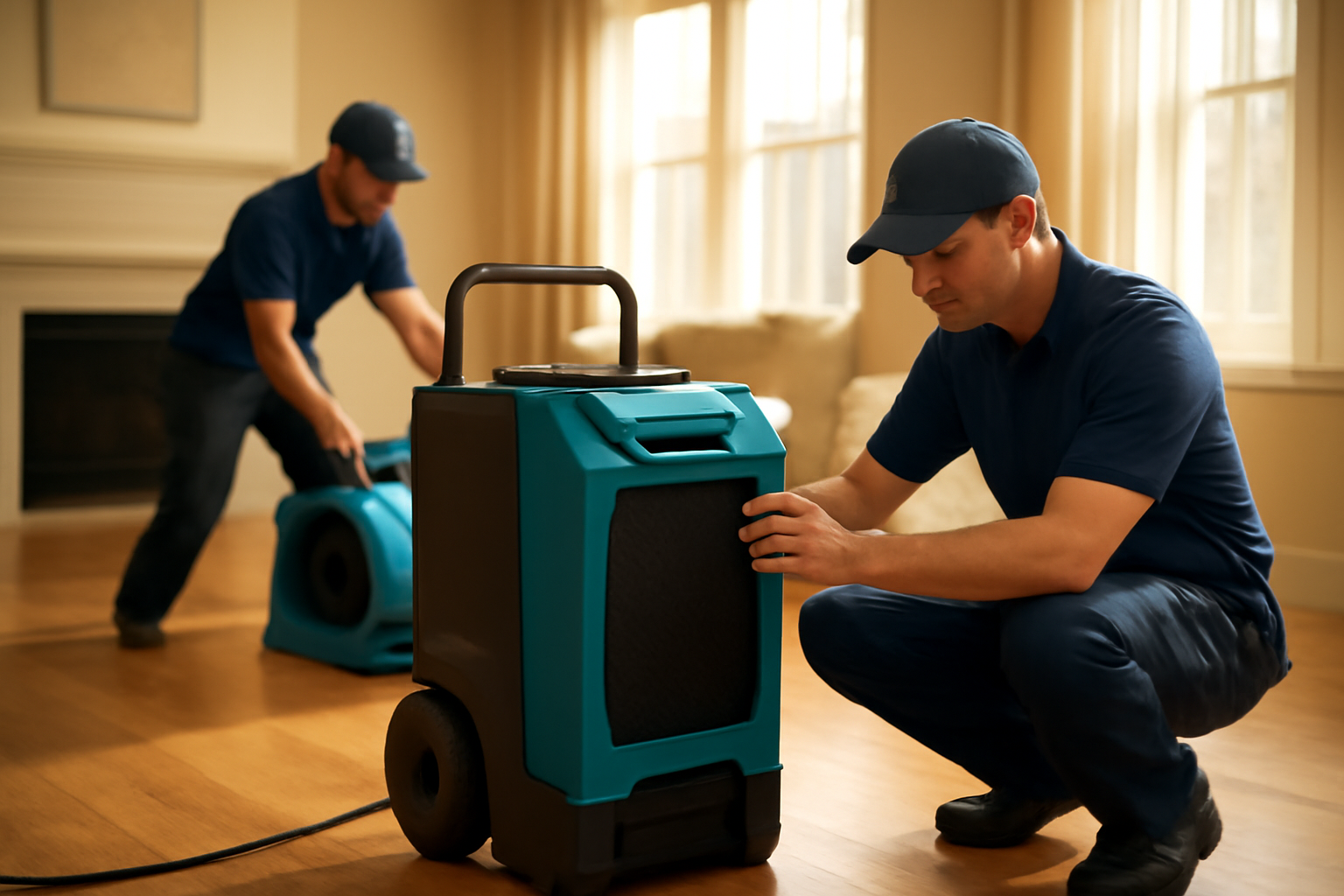
Once the bulk of the water is gone, the drying process begins. This is critical. Professionals use air movers and dehumidifiers to pull moisture out of the air and building materials.
Proper drying prevents mold and structural warping. It can take days or even weeks, depending on the severity. This equipment runs continuously, consuming energy and requiring expert placement.
Cleaning and Sanitization
After drying, all affected surfaces and items need thorough cleaning. This removes dirt, debris, and potential contaminants. Sanitizing is also crucial, especially with non-clean water sources.
Specialized cleaning solutions are used to kill bacteria and prevent mold. This step is vital for protecting your family’s health.
Repair and Reconstruction
Sometimes, materials are too damaged to be saved. This might include drywall, flooring, or insulation. These items will need to be replaced.
This is where costs can increase significantly. Reconstruction involves skilled labor and new materials. It’s a return to normalcy, but it adds to the overall flood damage cleanup expense.
Common Costs Associated with Flood Damage Cleanup
Let’s look at some typical costs you might encounter. These are estimates and can vary based on your location and the specific company you hire. It’s always best to get multiple quotes.
Minor water damage, like a small leak that’s caught quickly, might cost a few hundred dollars for drying and sanitizing. Major flooding can easily run into the thousands.
DIY vs. Professional: The Cost Trade-Off
You might be tempted to tackle flood damage yourself. While it can save money on labor for very minor issues, it often backfires. The risks are substantial.
Improper drying can lead to mold, which is expensive and dangerous to remediate. Structural damage might not be apparent until it’s too late. For anything beyond a very small incident, calling a professional is the safest and most cost-effective long-term solution.
Insurance Considerations
Does your insurance cover flood damage cleanup? It depends on your policy and the cause of the flood. Standard homeowner’s insurance often covers water damage from internal sources, like a burst pipe. However, it typically excludes damage from external flooding (e.g., rising rivers, heavy rain overwhelming drainage).
You usually need a separate flood insurance policy for external flooding. Reviewing your policy is a smart first step. Understanding your coverage will help manage expectations.
| Type of Damage | Estimated Cost Range | Notes |
|---|---|---|
| Minor Water Intrusion (e.g., small leak) | $300 – $1,500 | Primarily drying and sanitizing. |
| Moderate Basement Flooding (e.g., 1-2 ft water) | $2,000 – $7,000 | Includes extraction, drying, some material removal. |
| Severe Whole-House Flooding | $10,000 – $30,000+ | Extensive drying, demolition, reconstruction, mold remediation. |
| Sewer Backup Cleanup | $1,500 – $8,000+ | Requires specialized sanitization and often more demolition. |
Preventing Future Flood Damage
While you can’t always prevent floods, you can take steps to minimize the risk and potential damage. Regular maintenance is key. Checking gutters and downspouts, for example, helps water flow away from your foundation.
Consider sump pumps for basements or crawl spaces. Also, be aware of potential water intrusion risks around windows and doors, especially in areas prone to heavy rain or melting snow. Addressing small leaks promptly can prevent much larger problems.
Attic and Garage Vulnerabilities
Don’t forget other areas of your home. Attics can suffer from roof leaks or HVAC issues, leading to water damage. Garages are also susceptible to flooding from external sources or plumbing failures.
Addressing potential issues in places like the garage water damage can save you significant repair costs later. Regular inspections of these less-visited areas are wise.
What to Do Immediately After a Flood
Safety first! If the water is deep or you suspect electrical issues, leave the area and call for help. If it’s safe, turn off the power to the affected areas. Document the damage with photos or videos for insurance purposes.
Remove as much standing water as you can safely manage. Open windows and doors to start ventilation if the weather permits. But remember, for significant flooding, it’s best to call a professional right away.
Making the Right Choice for Cleanup
Deciding whether to DIY or hire professionals is a big choice. For minor spills, a DIY approach might be feasible. However, flood damage often involves hidden moisture and potential hazards.
Professionals have the training and equipment to handle these challenges. They understand the science of drying and the protocols for sanitization. This expertise is crucial for a complete and safe restoration. Choosing professional help can prevent long-term issues and protect your investment.
When to Call the Pros
If the water is more than an inch deep, if it’s contaminated, or if it has sat for more than 24 hours, it’s time to call experts. Any situation involving potential mold growth or structural compromise warrants professional attention.
The water damage restoration steps are complex. Professionals ensure every step is done correctly. They can identify all affected areas, including those hidden within walls or under floors. This thoroughness is hard to achieve on your own.
The Importance of Speed
Time is critical in flood damage cleanup. The longer water remains, the more damage it causes. Mold can start to grow within 24-48 hours. Structural materials can weaken and warp.
Acting quickly minimizes the extent of the damage and, consequently, the cost. It also speeds up the drying and restoration process. Do not wait to get help if you experience flooding.
What Happens During Restoration?
When you call a professional restoration company, they’ll typically start with an assessment. They’ll identify the source of the water, the extent of the damage, and the type of water involved. Then, they’ll develop a plan.
This plan includes water extraction, drying, dehumidification, and sanitization. They’ll also assess what needs to be repaired or replaced. Understanding what happens during a water damage restoration can ease your mind.
Considering Attic Water Damage Costs
While we’re focused on general flood damage, it’s worth noting that specific areas have their own cost considerations. For instance, attic water damage can be tricky. It might involve dealing with insulation, roof structures, and electrical wiring, all of which can add complexity and cost to the cleanup.
The Pitfalls of DIY Cleanup
Many homeowners try to save money by doing it themselves. However, DIY water damage cleanup often backfires. You might miss hidden moisture, leading to mold and structural issues down the line. Professionals have specialized equipment and training that ensure a thorough job.
Conclusion
The cost of flood damage cleanup is a significant concern for any homeowner. While estimates can range widely, understanding the factors involved—water depth, contamination, affected area size, and the necessary restoration steps—is key. Acting quickly and choosing professional help when needed are the best ways to mitigate damage and costs. For reliable and expert flood damage cleanup and restoration services in the Eden Prairie area, Eden Prairie Restoration Pros is a trusted resource ready to help you through the process and restore your peace of mind.
What is the average cost of flood damage restoration?
The average cost can fluctuate significantly, but for moderate to severe flooding, expect costs to be in the range of $2,000 to $10,000 or more. Minor issues might be a few hundred dollars, while extensive damage can easily surpass $30,000.
Does insurance cover flood damage cleanup?
Standard homeowner’s insurance usually covers water damage from internal sources but not external flooding. You typically need a separate flood insurance policy for external flood events. Always check your specific policy details.
How long does flood damage cleanup take?
The cleanup and drying process can take anywhere from a few days to several weeks. It depends heavily on the extent of the water damage, how quickly cleanup begins, and the effectiveness of the drying equipment used.
Is it cheaper to do water damage cleanup yourself?
While it might seem cheaper initially, DIY cleanup for significant flood damage often leads to higher costs later. Hidden moisture can cause mold and structural damage that requires expensive professional remediation.
What are the biggest cost drivers in flood damage cleanup?
The biggest cost drivers are the depth and duration of the water, the size of the affected area, the need for demolition and reconstruction, and the presence of contamination requiring specialized sanitization.