
How Long Before Water Damage Becomes Permanent?
Trusted by 155+ Homeowners
Water damage can become permanent very quickly. Structural damage and mold can start to form within 24-48 hours.
The longer water sits, the more damage it causes to your home’s materials and your belongings. Acting fast is key to preventing permanent issues.
TL;DR:
- Water damage can become permanent in as little as 24-48 hours.
- Materials like drywall, wood, and insulation absorb water, leading to structural compromise.
- Mold and mildew can start growing rapidly in damp conditions.
- Permanent damage includes warped floors, stained ceilings, and compromised structural integrity.
- Immediate professional cleanup is essential to mitigate permanent damage and health risks.
How Long Before Water Damage Becomes Permanent?
You might be wondering, how long before water damage becomes permanent? The clock starts ticking the moment water enters your home. What seems like a small leak can quickly escalate into a major problem. Many materials in your home are porous. They absorb water like a sponge.
The Rapid Progression of Water Damage
Research and found that significant damage can occur within a day. Within 24 hours, materials begin to swell and weaken. Metals can start to corrode. Wood can warp and split. Drywall can become saturated and sag. This is when early signs of permanent damage start to appear.
After 48 hours, the situation often worsens. Mold and mildew begin to grow. These fungi thrive in damp, dark environments. Their spores can spread throughout your home. This not only causes further material damage but also poses health risks. You can learn more about 7 surprising causes of water damage in your home to understand how it starts.
Understanding Different Water Types
Not all water is the same. The type of water involved affects the speed and severity of damage. Clean water (Category 1) comes from a broken water pipe or a leaking sink. It poses the least risk. However, it can still cause structural damage if left untreated.
Grey water (Category 2) contains contaminants. Think of a toilet overflow or a washing machine discharge. This water is more hazardous. It can cause health problems and damage materials faster. It also introduces a higher risk of mold growth.
Black water (Category 3) is grossly contaminated. This includes sewage backups or floodwaters from natural disasters. Black water is extremely dangerous. It contains pathogens and toxic substances. The damage it causes is often severe and can become permanent very quickly.
Materials Most Susceptible to Permanent Damage
Some parts of your home are more vulnerable than others. Drywall is a common culprit. It absorbs water easily. Once saturated, it loses its structural integrity. It can become crumbly and irreparable. This leads to costly replacements.
Wood is also highly susceptible. Flooring, subflooring, and structural beams can warp and rot. This can affect the stability of your home. Even after drying, warped wood may never return to its original shape. This is a clear sign of permanent damage.
Insulation, especially in walls and attics, can become waterlogged. Wet insulation loses its R-value. It can also become a breeding ground for mold. Replacing contaminated insulation is often the only solution.
The Insidious Threat of Mold Growth
Mold is a major concern with water damage. The mold growth risk is high after just 24-48 hours. Mold spores are everywhere. Damp conditions allow them to germinate and spread. They can feed on organic materials like wood and paper.
Visible mold is a problem. However, hidden mold can be even more insidious. It can grow behind walls, under carpets, and in ventilation systems. This hidden mold can cause extensive damage and serious health issues before you even know it’s there. Understanding musty smell in your home? It could be water damage can help you identify early signs.
Signs You Might Be Facing Permanent Water Damage
Look for specific indicators. Warped or buckled flooring is a strong sign. Stains on ceilings or walls that reappear after drying are also concerning. A persistent musty odor, even after cleaning, often means mold is present. Peeling paint or wallpaper can signal underlying moisture.
Structural sagging or visible cracks in walls or ceilings are serious. These indicate compromised building materials. If you notice any of these, it is critical to seek professional help immediately. Don’t wait to get help.
The Role of Hidden Leaks
Many water damage issues start small and unseen. Hidden plumbing leaks: top causes inside your walls can go unnoticed for months. These slow leaks can saturate building materials gradually. This creates a perfect environment for mold and rot to develop unnoticed.
These types of leaks are particularly dangerous. They can cause extensive structural damage before you even realize there’s a problem. The cost of repairing such damage can be substantial. It is always best to address any suspected pipe leak causes promptly.
| Timeframe | Potential Damage | Urgency Level |
|---|---|---|
| 0-24 Hours | Surface wetting, material absorption begins, minor swelling. | High |
| 24-48 Hours | Mold and mildew start to grow, wood begins to warp, drywall softens. | Very High |
| 3-7 Days | Significant mold growth, structural weakening, metal corrosion, microbial odors become noticeable. | Critical |
| 1 Week+ | Extensive structural damage, widespread mold contamination, potential for permanent material compromise, severe health risks. | Emergency |
Don’t Forget About Roof Leaks
Your roof is your home’s first line of defense against the elements. A compromised roof can lead to significant water intrusion. Why your roof is the #1 source of water damage is often due to wear and tear, storm damage, or improper installation. Water can seep into the attic, insulation, and ceilings.
The longer a roof water damage issue persists, the more widespread the damage becomes. It can affect the entire structure of your home, leading to costly repairs and potential permanent damage.
The Health Implications of Delayed Cleanup
Water damage is not just about your home’s structure. It’s also about your health. Mold and bacteria thrive in damp environments. Exposure can lead to respiratory problems, allergies, and other health issues. The health risks involved are serious and can impact anyone in the household.
Prolonged exposure to mold can lead to chronic health conditions. It is essential to address water damage promptly to protect your family’s well-being. Ignoring the problem can lead to severe health risks.
What You Can Do Immediately
Your first step is to stop the source of water. If it’s a burst pipe, shut off the main water supply. If it’s an appliance, unplug it or turn off its water valve. Remove excess water if possible. Use towels, mops, or a wet vac.
Move salvageable items away from the wet area. This prevents further damage to your belongings. Open windows and doors to increase ventilation. Use fans to help circulate air. However, do not try to dry everything yourself. Professional help is often necessary.
When to Call a Professional Restoration Service
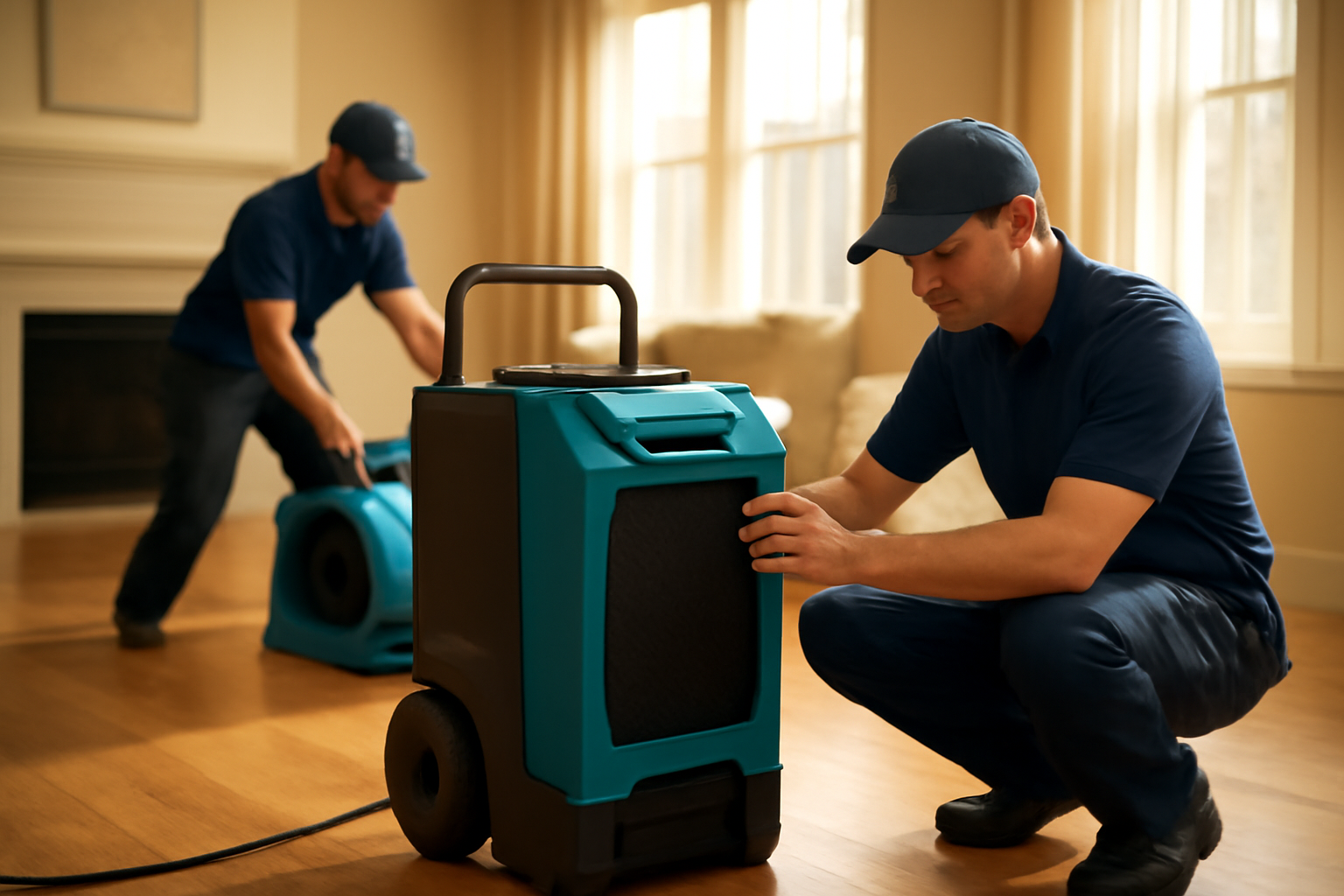
For anything beyond a minor spill, you need professional help. Water damage restoration companies have the equipment and expertise. They can quickly assess the damage. They use specialized tools for drying and dehumidifying. This prevents mold and structural issues.
Professionals can safely remove contaminated materials. They can also address hidden moisture. Their intervention minimizes the risk of permanent damage. It ensures your home is safely restored. Call a professional right away if you suspect significant water damage.
Checklist: Immediate Steps for Water Damage
- Identify and stop the water source.
- Remove standing water promptly.
- Move furniture and belongings away from wet areas.
- Document the damage with photos or videos.
- Contact your insurance company.
- Call a professional water damage restoration service.
Conclusion
Water damage is a serious issue that can escalate quickly. The timeline for permanent damage varies, but it often begins within 24-48 hours. Materials can warp, rot, and weaken, leading to costly structural repairs. Mold can start growing, posing health risks. Recognizing the signs and acting fast is crucial. For comprehensive water damage restoration services and expert advice when disaster strikes, Eden Prairie Restoration Pros is a trusted resource in your community.
What is the fastest way to dry out water-damaged materials?
The fastest way involves professional equipment. Restoration services use high-powered air movers and dehumidifiers. These machines rapidly remove moisture from the air and surfaces. They create an environment conducive to quick drying. Simply opening windows may not be enough for significant damage.
Can water-damaged wood floors be saved?
Sometimes, yes. Minor surface wetting might allow for drying and refinishing. However, if the wood has absorbed a lot of water, it can warp, cup, or buckle. This often makes replacement necessary. Prompt professional assessment is key to determining salvageability.
How does water damage affect the value of my home?
Untreated water damage significantly lowers a home’s value. Visible issues like mold, warped floors, or stained ceilings are immediate red flags for buyers. Even repaired damage can raise concerns if not properly documented. A history of water damage may require disclosure.
Is it safe to stay in a home with water damage?
It depends on the severity and type of damage. Minor, quickly dried spills might be safe. However, if mold is present or structural damage is suspected, it is not safe. The health dangers involved with mold exposure are considerable. It is best to err on the side of caution.
How can I prevent future water damage?
Regular maintenance is key. Inspect pipes, hoses, and appliances for leaks. Ensure your roof and gutters are in good condition. Check sump pumps periodically. Consider water leak detection systems. Knowing the relevant information about potential causes helps you prevent them.