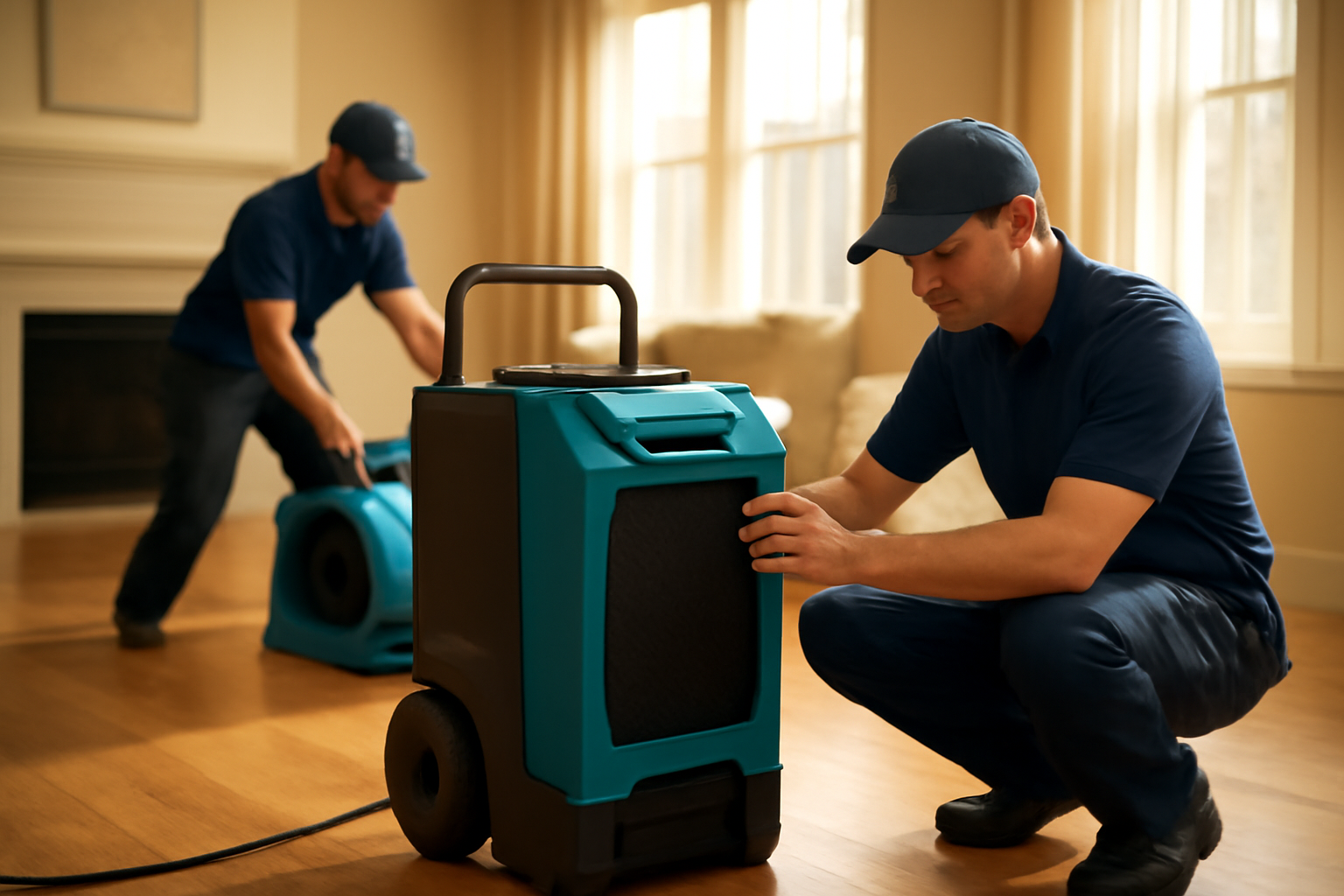
What Is Post-remediation Verification Testing?
Trusted by 155+ Homeowners
Post-remediation verification testing confirms that a property is safe after restoration work.
It’s a critical step to ensure all contaminants, like mold or asbestos, have been effectively removed.
TL;DR:
- Post-remediation verification testing is a final check after restoration.
- It confirms the removal of contaminants like mold or asbestos.
- Independent testing ensures objectivity and thoroughness.
- This testing is vital for your health and property safety.
- It provides peace of mind that the job was done right.
What Is Post-Remediation Verification Testing?
Post-remediation verification testing is essentially the final inspection after a restoration project. Think of it as your last stamp of approval. It’s a crucial step to confirm that all the harmful substances we removed are truly gone. This process is especially important after dealing with issues like mold, asbestos, or other hazardous materials.
It’s the final word on whether your home or building is safe to reoccupy. Without this verification, you might be moving back into a space that still poses health risks. We found that many homeowners overlook this step, but it’s non-negotiable for true peace of mind. This testing ensures the remediation process was successful.
Why Is This Testing So Important?
Your health and safety are the top priorities. After a restoration, you need absolute certainty that the air is clean and surfaces are free from lingering contaminants. This testing provides that certainty. It’s an objective measure of success.
We found that even the most thorough remediation can sometimes miss tiny traces. Verification testing catches these. It protects you from potential health effects of mold or other issues. It’s about validating the hard work done to make your space healthy again.
The Goal: Confirming a Contaminant-Free Environment
The main goal is simple: confirm the environment is clean. This means verifying that the levels of the specific contaminant are back to normal, pre-incident levels. For mold, this means air samples should show mold spore counts similar to outdoor air. For asbestos, it means no airborne fibers are detected.
This verification is the last line of defense. It ensures that the professional remediation efforts were effective. We’ve seen situations where visual confirmation wasn’t enough. This is why testing is so vital.
Who Performs Post-Remediation Verification?
It’s critical that the entity performing the verification is independent. This means they should not be the same company that did the initial cleanup. This separation ensures objectivity. An independent third party has no vested interest in declaring the job done if it isn’t.
This impartiality is key to trusting the results. Think of it like a referee in a game. They need to be neutral to ensure fair play. We found that using an independent tester is a standard best practice in the industry.
The Role of Independent Testers
Independent testers are specialists. They have the equipment and expertise to accurately measure contaminant levels. They follow strict protocols for sampling and analysis. This ensures the data they collect is reliable.
Their report provides a clear, unbiased assessment. It will state whether the property has passed or failed the verification. This is essential information for you and your family. It confirms the remediation process was completed successfully.
What If the Testing Fails?
If the verification testing shows that contaminants are still present, don’t panic. It simply means more work is needed. The restoration company will need to go back and address the areas that didn’t pass. This might involve further cleaning or containment.
This is why hiring a reputable company for both remediation and verification is important. They should stand by their work. We found that addressing failed tests promptly is crucial to avoid further delays and potential health issues. This is part of the full remediation process.
Common Types of Post-Remediation Testing
The type of testing depends on the contaminant. For mold, air sampling is common. Surface swabs might also be used. For asbestos, air monitoring is essential to detect fibers.
These tests are designed to be sensitive. They can detect even minute amounts of the target substance. This ensures a thorough check. It’s about confirming that mold-related illness is no longer a risk.
Air Sampling for Mold
Air sampling measures the number of mold spores in the air. Samples are taken inside the affected area and compared to samples taken from a clean, unaffected area or outside air. A successful test shows the indoor air quality is comparable to the outdoor environment.
This is a very common method after mold cleanup. It directly assesses the air you breathe. We found that proper sampling techniques are vital for accurate results.
Surface Sampling
Surface sampling involves taking swabs or dust samples from surfaces. This helps determine if mold spores or other contaminants are still present on walls, floors, or other materials. It’s a good way to check areas that might be hard to visually inspect.
This adds another layer of certainty. It confirms that cleaning efforts reached all the necessary surfaces. This is part of ensuring the health effects of mold are completely mitigated.
Specialized Testing (e.g., Asbestos, Lead)
For more hazardous materials like asbestos or lead paint, specialized testing is mandatory. Air monitoring for asbestos fibers is critical. For lead paint, wipe samples are often used to check for dust residue.
These tests require specific equipment and protocols. They are designed to detect extremely low levels of these dangerous substances. For lead paint, understanding lead paint remediation is key, and verification testing is the final step.
The Verification Testing Process Explained
The process usually begins after the restoration company declares their work complete. The independent tester then schedules a visit. They will inspect the remediated areas and set up their testing equipment.
This involves placing air samplers in specific locations. They might also collect surface samples. The samples are then sent to an accredited laboratory for analysis. We found that clear communication between the homeowner, restoration company, and tester is beneficial.
Setting Up for Success
Proper preparation is key for accurate testing. The restoration company should have completed all their cleaning and containment removal. The area should be ready for inspection. Access to all affected and unaffected areas is needed.
The tester will explain exactly what they are doing. They will ensure the environment is undisturbed during sampling. This helps maintain the integrity of the test. It’s about getting a true snapshot of the air quality.
Interpreting the Results
Once the lab results are back, the independent tester will issue a report. This report will clearly state whether the property meets the required standards. It will detail the levels of any detected contaminants.
Understanding this report is important. If the results are favorable, you can proceed with confidence. If not, you know exactly what needs to be addressed. This verification is essential for your long-term health and safety, especially after extensive remediation process work.
When Do You Need Post-Remediation Verification Testing?
You need this testing after any significant restoration project involving hazardous materials. This includes mold removal, asbestos abatement, or lead paint cleanup. It’s also recommended after major water damage or fire damage cleanup where airborne contaminants could be an issue.
Think of it as a mandatory step for your own well-being. It’s an investment in a healthy living space. We found that it’s often required by insurance companies or local building codes.
After Mold Remediation
If you’ve had mold growing in your home, especially in areas like the attic, verification testing is essential after cleanup. Attic mold can spread spores throughout your home if not properly contained and removed. This testing ensures that the airborne spore count returns to safe levels. It’s a vital step to prevent recurrence and address attic mold issues.
This confirms that the mold remediation was thorough. It ensures no hidden mold sources were missed. The goal is to have clean air, free from mold spores.
After Asbestos or Lead Abatement
For projects involving asbestos or lead paint, verification testing is usually legally required. These materials pose severe health risks. Abatement professionals must prove their work has made the environment safe. This often involves air clearance testing.
This testing is non-negotiable for safety. It ensures that disturbing these materials did not create a hazard. It confirms the success of the professional remediation.
What Does a Good Verification Report Look Like?
A good report is clear, concise, and easy to understand. It should clearly state the date of testing, the areas tested, and the methods used. It will list the results for each test performed.
Crucially, it will provide a definitive conclusion: pass or fail. It should also include the laboratory accreditations. This report is your proof that your property is safe. We found that detailed reports build trust and confidence.
Key Components of the Report
Look for the name of the independent testing company. Check the date the samples were collected and analyzed. The report should specify the contaminant tested and the detection limits. It must clearly state whether the results meet regulatory standards or project specifications.
Your report should also include the signature of a qualified professional. This validates the findings. It ensures you have official documentation. This is vital for your records and peace of mind.
Understanding Your Results
Don’t hesitate to ask questions about the report. Your independent tester should be available to explain the findings. They can clarify any technical terms or results. This ensures you fully understand what the testing confirms about your home’s safety.
This understanding is crucial for your family’s health. It ensures the entire remediation process, from start to finish, was successful.
Conclusion
Post-remediation verification testing is the essential final step in any restoration project involving hazardous materials. It’s your guarantee that the work done has made your property safe and healthy again. By using an independent, qualified tester, you ensure an objective assessment. This provides the confidence you need to move back into your home or building. At Eden Prairie Restoration Pros, we understand the importance of this final step. We work with trusted third-party testing companies to ensure your restoration project is truly complete and safe for your family.
How often should post-remediation testing be done?
This testing should be done every time significant remediation for hazardous materials like mold, asbestos, or lead paint is completed. It is the final verification that the cleanup was successful and the environment is safe for reoccupation.
Can the remediation company also do the verification testing?
It is strongly recommended that the verification testing be performed by an independent third party. This ensures objectivity and provides unbiased results, as the testing company has no financial stake in the outcome of the remediation work.
What happens if post-remediation testing fails?
If post-remediation testing fails, it means contaminants are still present above acceptable levels. The original remediation company will need to return to perform additional cleanup and containment. Retesting will be required after the additional work is completed.
How long does verification testing take to get results?
The actual testing process on-site typically takes a few hours, depending on the scope. However, laboratory analysis can take anywhere from 24 hours to several days, depending on the type of test and the lab’s turnaround time. Your tester will provide an estimated timeline.
Is post-remediation verification testing covered by insurance?
Coverage for post-remediation verification testing can vary significantly by insurance policy. Some policies may cover it as part of the overall remediation process, while others might consider it a separate cost. It is best to check with your insurance provider directly.