Can Mold Spread Through An Hvac System?
Trusted by 155+ Homeowners
Yes, mold can absolutely spread through an HVAC system.
Your HVAC system can act like a highway for mold spores, distributing them throughout your entire home.
TL;DR:
- Mold spores can travel through your HVAC system.
- Moisture is the key ingredient for mold growth.
- HVAC systems can become breeding grounds for mold.
- Regular maintenance is crucial for prevention.
- Contact professionals for mold and water damage issues.
Can Mold Spread Through an HVAC System?
Many homeowners worry about mold in their homes. One common concern is whether mold can travel through their heating and cooling systems. The short answer is a resounding yes. Your HVAC system, if contaminated, can become a major source of mold spore distribution.
How Mold Gets Into Your HVAC System
Mold needs moisture and a food source to grow. Your HVAC system can provide both. Dust and debris build up in ducts, offering a food source. Condensation is also common, especially in cooling systems or in humid climates. This moisture can create the perfect environment for mold to take root.
When mold spores land on damp surfaces within your ductwork or on components like the evaporator coil, they can start to grow. If left unchecked, this growth can become significant.
The Role of Moisture
Moisture is the number one factor. Leaky pipes, high humidity, or past water damage can all introduce excess moisture into your home’s air. This dampness can then find its way into your HVAC system. Understanding summer humidity and indoor water damage risks is key to prevention.
Even small leaks can go unnoticed for a long time. These persistent moisture sources can fuel mold growth before you even realize there’s a problem.
Signs Your HVAC System Might Have Mold
How do you know if your HVAC system is contaminated? There are several tell-tale signs. A persistent musty odor causes is a big clue. If you notice a strange smell when your system kicks on, it could be mold.
You might also experience worsening allergy symptoms. Headaches, coughing, sneezing, and a runny nose that seem to appear or get worse when you’re indoors could indicate mold spores circulating.
Physical Evidence
Sometimes, you can find visual evidence. Mold can appear as discolored patches on surfaces inside your ductwork or on your air filter. If you’re comfortable doing so, you can carefully inspect your air filter. If it looks fuzzy or discolored, it’s a strong indicator.
Visible mold growth around vents or on the air handler unit itself is another clear sign. This is when you should seriously consider professional inspection.
The Dangers of Moldy HVAC Systems
Breathing in mold spores can be harmful. It can trigger allergic reactions and asthma symptoms. For some people, mold exposure can lead to more serious health issues over time. This is why it’s crucial to address potential mold problems promptly.
The spread of mold through an HVAC system means that even areas of your home that seem dry and unaffected can become contaminated. This can lead to widespread mold problems that are much harder and more expensive to fix.
Health Risks
Research shows that indoor air quality can be significantly impacted by mold. The water damage link to mold growth is well-established. Prolonged exposure can lead to chronic respiratory problems, making your home environment unsafe.
It’s important to remember that mold can start growing surprisingly quickly. For instance, how long after a flood does mold start growing can be as little as 24-48 hours in ideal conditions.
Preventing Mold in Your HVAC System
Prevention is always better than cure. Regular maintenance of your HVAC system is the first line of defense. This includes changing your air filters regularly. A clean filter traps more dust and spores, preventing them from reaching other parts of the system.
Ensure your home’s humidity levels are controlled. Using dehumidifiers in damp areas and fixing any leaks promptly can make a big difference. Addressing moisture sources is critical for mold prevention.
Professional Inspections and Cleaning
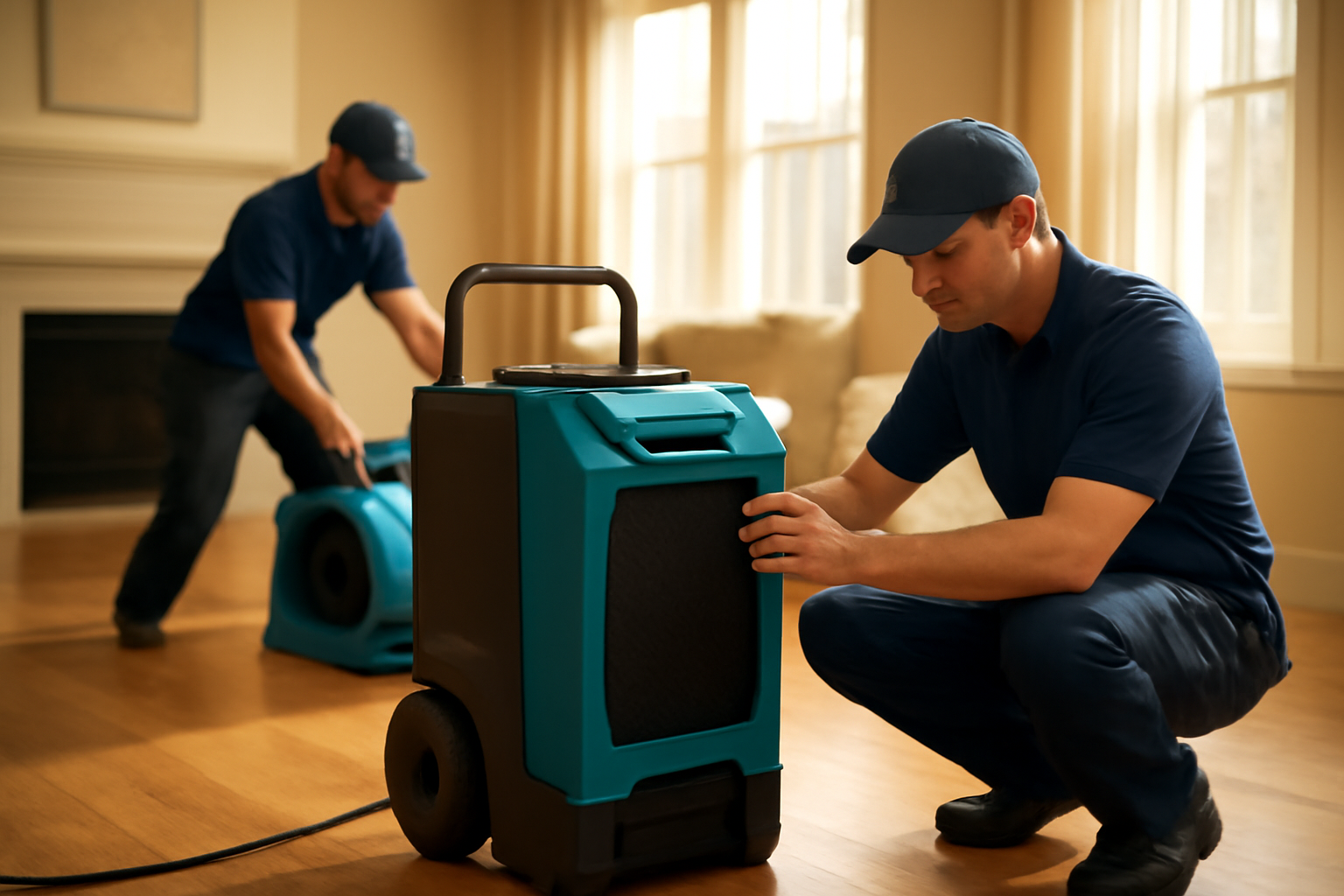
Consider having your HVAC system professionally inspected and cleaned periodically. Technicians can identify and address potential problems before they escalate. This includes checking for condensation buildup and ensuring proper airflow.
Professional cleaning can remove accumulated dust and debris from your ductwork, eliminating potential food sources for mold. This preventative measure is highly recommended.
What to Do If You Suspect Mold
If you suspect mold in your HVAC system or anywhere in your home, it’s important to act quickly. Do not attempt to clean large amounts of mold yourself, especially if it’s in the HVAC system. This can aerosolize spores and spread them further.
Your best course of action is to contact a qualified mold remediation professional. They have the expertise and equipment to safely identify, contain, and remove mold. They can also address the underlying moisture issues that allowed the mold to grow in the first place.
Addressing Water Damage Promptly
Water damage is the precursor to mold. Whether it’s a small leak or a larger incident, addressing water damage right away is crucial. The longer water sits, the higher the risk of mold growth.
If you’ve had a flood or significant water intrusion, a professional assessment is essential. They can ensure the area is properly dried and that mold doesn’t have a chance to develop. This is key to preventing a secondary mold problem in your HVAC.
Mold and HVAC: A Quick Comparison
Here’s a simple breakdown of how mold interacts with your HVAC system:
| Factor | Impact on HVAC & Mold |
|---|---|
| Moisture | Causes condensation in ducts; feeds mold growth. |
| Dust/Debris | Accumulates in ducts; serves as mold food source. |
| Airflow | Circulates mold spores throughout the house. |
| Temperature | HVAC systems provide a stable environment for growth. |
Checklist: Protecting Your HVAC from Mold
Here’s a quick checklist to help you stay ahead of mold issues:
- Change air filters regularly (every 1-3 months).
- Monitor and control indoor humidity levels (aim for 30-50%).
- Fix any water leaks promptly, no matter how small.
- Ensure proper drainage around your home’s foundation.
- Schedule annual HVAC system inspections and cleanings.
- Be aware of musty odors and act fast if you detect them.
Conclusion
Your HVAC system plays a vital role in your home’s comfort, but it can also become a pathway for mold if not properly maintained. Understanding the risks and taking preventative steps is essential for maintaining healthy indoor air quality. If you suspect mold or have experienced water damage, don’t wait to get help. For expert assistance with mold and water damage restoration in the Eden Prairie area, Eden Prairie Restoration Pros is your trusted resource.
Can mold spores survive in an HVAC system during winter?
Yes, mold spores can survive in an HVAC system year-round. While growth might be slower in colder, drier winter months, dormant spores can become active again when conditions become favorable, such as during warmer, more humid periods or if there’s a new moisture source.
Is it safe to run my HVAC if I think there’s mold?
It’s generally not recommended to run your HVAC system if you suspect mold. Running the system can quickly spread mold spores throughout your home, potentially worsening the problem and increasing health risks. It’s best to shut off the system and call a professional for an inspection.
What kind of mold is usually found in HVAC systems?
Common types of mold found in HVAC systems include Cladosporium, Penicillium, and Aspergillus. These molds thrive in damp, dark environments and can grow on various organic materials found in ductwork, such as dust and cellulose.
Can DIY mold removal products be used on HVAC systems?
For minor, visible mold on accessible surfaces, some DIY products might offer temporary relief. However, they are often not strong enough for significant mold issues. More importantly, attempting to clean mold within the enclosed and complex HVAC system can be dangerous, spreading spores or damaging components. Professional remediation is the safest and most effective approach.
How often should HVAC ducts be professionally cleaned for mold prevention?
The frequency of professional duct cleaning for mold prevention can vary. Many experts recommend cleaning every 2-5 years. However, if you live in a humid climate, have pets, allergies, or have experienced water damage, more frequent cleanings might be beneficial. A professional inspection can help determine the best schedule for your specific situation.