
Flipping Water-damaged Homes: Risks And Rewards
Trusted by 155+ Homeowners
Flipping water-damaged homes can be profitable but carries significant risks.
Understanding these risks, like mold growth and structural damage, is key before investing your time and money.
TL;DR:
- Flipping water-damaged homes offers high reward potential but demands careful risk assessment.
- Key risks include hidden mold, structural compromise, and health hazards for occupants.
- Thorough inspections are vital to uncover all damage and estimate repair costs accurately.
- Proper remediation and renovation are essential to ensure safety and a good resale value.
- Consulting restoration professionals is highly recommended for a successful and safe flip.
Flipping Water-Damaged Homes: Risks and Rewards
Thinking about flipping a home with water damage? It can seem like a great way to find a fixer-upper at a lower price. But before you jump in, you need to understand the full picture. Water damage isn’t just about cosmetic fixes. It can hide serious problems that can turn a promising flip into a costly nightmare. We’ll break down the risks and rewards to help you decide if this is the right path for you.
The Allure of the Discounted Property
Homes with visible water damage often sell for less. This initial discount is the main draw for flippers. You’re hoping to buy low, fix the issues, and sell high. It’s a classic real estate strategy. But the extent of the damage can be much greater than it appears. What looks like a simple leak could be a sign of deeper problems.
Uncovering Hidden Dangers
Water damage is a master of disguise. It can seep into walls, floors, and foundations. Often, the visible signs are just the tip of the iceberg. You might see a stained ceiling, but what about the insulation behind it? Or the wood framing it’s attached to? Hidden mold growth is a major concern. It can spread quickly and quietly. Detecting all the damage requires a keen eye and professional tools. You need to schedule a free inspection to get a clear picture.
Mold: The Silent Invader
Mold loves damp environments. Water damage creates the perfect breeding ground. Mold can start growing within 24-48 hours. It releases spores into the air. These spores can cause allergies, asthma, and other respiratory issues. You might think you’re just dealing with a cosmetic problem. But you could be facing serious health risks. Ignoring mold is not an option. It can severely impact the home’s air quality and your health. Proper mold remediation is crucial before any further work begins. Understanding the health risks of living in a water-damaged home is paramount.
Structural Integrity at Risk
Water can weaken building materials over time. Wood can rot, metal can rust, and drywall can crumble. If water has been present for a long time, it can compromise the entire structure. This means the foundation, walls, and roof could all be affected. Repairs to structural damage are incredibly expensive. They often require specialized contractors. You must act before it gets worse. A thorough structural assessment is a non-negotiable step.
The Financial Risks of a Watery Flip
Flipping is all about numbers. Unexpected costs can quickly eat into your profit margin. Water damage repairs are notoriously unpredictable. You might budget for new drywall, only to find out the joists are rotten. This can lead to budget overruns. It can also delay your project timeline. Delays mean more holding costs, like mortgage payments and insurance. Don’t wait to get help if you suspect extensive damage.
Underestimating Repair Costs
It’s easy to underestimate the true cost of water damage restoration. You see a water stain and think “new paint.” But it could mean replacing drywall, insulation, flooring, and even subflooring. The electrical and plumbing systems could also be affected. Water can corrode wires and damage pipes. These hidden costs can be staggering. You need to get expert advice today from restoration professionals.
Impact on Resale Value
A home’s resale value is heavily influenced by its condition. Water damage, even if repaired, can cast a shadow. Buyers are often wary of homes with a water damage history. Disclosure laws require you to inform potential buyers of past issues. If repairs weren’t done properly, future problems could arise. This could lead to a lower sale price or difficulty selling the home at all. Many experts say that a past damage disclosure can affect buyer interest.
The Rewards: When a Watery Flip Goes Right
Despite the risks, successful flips of water-damaged homes do happen. The reward can be significant profit. When you manage the risks effectively, you can acquire a property at a great price. You can then invest in proper repairs and upgrades. This can transform a neglected property into a desirable home. The key is meticulous planning and execution.
Finding Undervalued Gems
Sometimes, a property’s water damage is overstated by the seller. Or perhaps the damage is localized and manageable. These situations present a real opportunity. You can buy the home, address the specific issues efficiently, and still make a good profit. It’s about finding that sweet spot where the repair cost is manageable relative to the potential sale price.
Adding Significant Value Through Restoration
When you invest in high-quality restoration, you’re not just fixing problems. You’re adding value. Replacing old, damaged flooring with modern, durable options can be a big selling point. Upgrading kitchens and bathrooms during the restoration process further enhances appeal. A home that looks and feels brand new will command a higher price. This is where careful renovation pays off.
Here’s a look at typical costs associated with water damage repairs:
| Type of Damage | Estimated Cost Range | Notes |
|---|---|---|
| Minor Water Damage (e.g., small leak, quick cleanup) | $500 – $2,500 | May involve drying, minor drywall repair. |
| Moderate Water Damage (e.g., flooded room, some material replacement) | $2,500 – $10,000 | Could include flooring, subflooring, partial wall replacement. |
| Severe Water Damage (e.g., whole house flood, structural issues) | $10,000 – $50,000+ | Often requires extensive demolition, structural repair, mold remediation. |
| Mold Remediation (per square foot) | $10 – $30 | Cost varies based on severity and area affected. |
Key Steps for a Successful Water Damage Flip
If you decide to proceed, follow these crucial steps. They will help mitigate risks and maximize your chances of success. Thoroughness is your best friend in this process. Don’t cut corners on assessments.
The Importance of a Professional Inspection
This is your first and most critical step. Hire a qualified home inspector, ideally one with experience in water damage. They can identify issues you might miss. Look for signs of past leaks, current moisture, and potential mold. A detailed report will be your guide. It helps you understand the scope of work needed. This inspection is vital for budgeting and negotiation. You need to call a professional right away if you suspect major damage.
Budgeting for the Unexpected
Always build a contingency fund into your budget. Aim for 15-20% of your estimated repair costs. This buffer is for those unforeseen problems that always seem to pop up. It could be a hidden pipe leak or unexpected structural rot. Having this extra cash can save your flip from financial disaster. Make sure your budget reflects the true cost of repairs, not just the visible ones.
Prioritizing Safety and Health
Your safety and the future occupants’ health come first. Ensure all water-damaged materials are removed and disposed of properly. Mold remediation must be handled by certified professionals. Proper ventilation during and after repairs is essential. You don’t want to create a new problem while fixing an old one. Be aware of mold disclosure rules in your area.
Choosing the Right Professionals
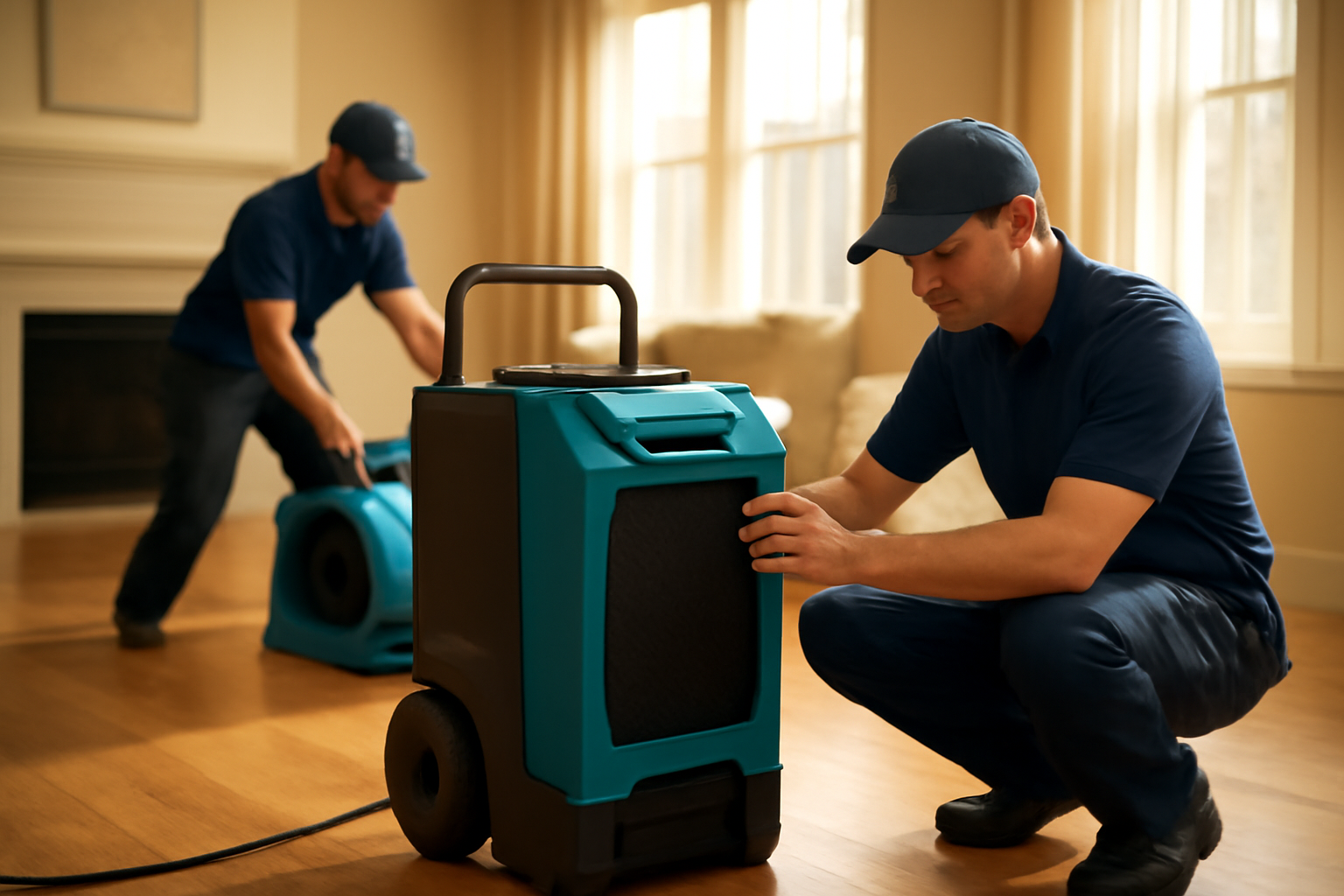
You can’t do it all yourself. You’ll need a team of reliable contractors. This includes plumbers, electricians, drywall specialists, and painters. Most importantly, you’ll need a reputable water damage restoration company. They have the expertise and equipment to handle drying, dehumidification, and mold control effectively. Their work ensures the structure is sound before cosmetic work begins. This is key for a successful remediation before sale.
When to Walk Away
Sometimes, the best decision is to walk away from a deal. If the inspection reveals extensive structural damage, widespread mold, or potential foundation issues, the costs could be prohibitive. If the estimated repair costs exceed a reasonable percentage of the potential sale price, it’s not a good investment. Trust your gut and your numbers. Don’t let the allure of a deal blind you to overwhelming risks.
Conclusion
Flipping water-damaged homes can be a profitable venture, but it’s not for the faint of heart. The risks are substantial, ranging from hidden mold and structural compromises to significant financial overruns. However, with meticulous inspection, accurate budgeting, and the help of trusted professionals, these challenges can be overcome. A well-executed restoration can turn a distressed property into a beautiful, valuable home. If you’re considering a flip involving water damage, remember that expert assessment and remediation are key. For guidance and professional services in water damage restoration, Eden Prairie Restoration Pros is a trusted resource you can rely on.
What are the first signs of water damage I should look for?
Look for visible water stains on ceilings or walls, peeling paint or wallpaper, warped flooring, and musty odors. Any sudden increase in humidity or dampness in the air is also a warning sign. Prompt attention to these early indicators can prevent more serious issues.
How long does it take for mold to grow after water damage?
Mold can begin to grow in as little as 24 to 48 hours after water damage occurs. The speed of growth depends on factors like temperature, humidity, and the availability of organic materials for the mold to feed on.
Does flood insurance cover water damage from a burst pipe?
Typically, standard homeowner’s insurance covers water damage from sudden and accidental sources like a burst pipe. Flood insurance is usually separate and covers damage from external flooding events, like overflowing rivers or heavy rain. It’s always best to check your specific policy details.
Can I fix minor water damage myself?
For very minor issues, like a small, quickly addressed leak that didn’t saturate materials, some DIY repairs might be possible. However, it’s crucial to ensure the area is completely dried out and to monitor for any signs of mold. If there’s any doubt about the extent of the damage or proper drying, it’s safer to call a professional.
What are the potential long-term effects of improperly repaired water damage?
Improperly repaired water damage can lead to persistent mold growth, structural weakening, compromised indoor air quality, and electrical hazards. These issues can significantly reduce a home’s value and create ongoing health problems for occupants. A thorough, professional restoration is essential for long-term safety and value.