
Trusted by 155+ Homeowners
Mold In Commercial Hvac Systems: Risks And Remediation
- Over 157 5-Star Reviews
- Free Estimates and Quotes
- 100% Satisfaction Guaranteed
- Child, Family & Pet Safe Steps
- 24-Hour Emergency Service
- Fully Licensed & Insured
Mold in commercial HVAC systems can spread quickly, impacting air quality and occupant health. Early detection and professional remediation are key to preventing serious issues.
Addressing mold in your business’s heating, ventilation, and air conditioning (HVAC) system is vital for a healthy workplace and to avoid costly damages.
TL;DR:
- Mold can thrive in commercial HVAC systems due to moisture and stagnant air.
- Symptoms include poor indoor air quality, musty odors, and potential health issues.
- Regular HVAC maintenance is crucial for prevention.
- Professional mold inspection and remediation are necessary for effective cleanup.
- Addressing mold prevents further damage and protects occupant health.
Mold in Commercial HVAC Systems: Risks and Remediation
When you think about mold, you might picture a damp bathroom or a leaky basement. But mold can also quietly grow within your commercial HVAC system. This hidden problem can affect the air everyone breathes. Understanding the risks is the first step to a cleaner, healthier building.
Why Does Mold Grow in HVAC Systems?
Commercial HVAC systems circulate air throughout a building. They also manage temperature and humidity. This creates an ideal environment for mold spores to land and grow. Moisture is the biggest culprit. Leaky ducts, condensation buildup, and poor drainage can all provide the water mold needs.
Dust and organic matter within the system act as food sources. Once spores find moisture and food, they can multiply rapidly. This is especially true in humid climates or during certain seasons. Ignoring these conditions can lead to widespread contamination.
The Hidden Dangers
Mold in your HVAC system isn’t just an eyesore; it’s a serious concern. The system acts like a giant fan, blowing mold spores throughout your entire building. This means affected areas can expand quickly. The air you and your employees or customers breathe may be contaminated.
This contamination can lead to a decline in indoor air quality. You might notice persistent musty smells. People may start experiencing allergy-like symptoms. These can include headaches, coughing, sneezing, and skin irritation. For some, especially those with respiratory conditions, the effects can be more severe.
Health Impacts of HVAC Mold Exposure
Exposure to mold can cause a range of health problems. These vary depending on the type of mold and an individual’s sensitivity. Common reactions include allergic responses. Symptoms often mimic hay fever. But they can be present year-round.
Some molds produce mycotoxins. These are toxic compounds that can cause more serious health issues. Research into the long-term effects of mold exposure is ongoing. However, many experts agree that minimizing exposure is always the best approach. Certain molds can cause serious health risks, especially for vulnerable individuals. Learning about black mold health effects is important.
Common Signs of Mold in Your HVAC
How can you tell if your HVAC system has a mold problem? Look for specific indicators. A persistent musty odor is a common sign. This smell often gets stronger when the system is running. You might also notice visible mold growth. Check air vents, filters, and the interior of ducts if accessible.
Another sign is unexplained increases in allergy symptoms among building occupants. Frequent headaches or respiratory issues can point to poor indoor air quality. This quality can be directly linked to HVAC mold. You might also see water stains around vents or on ceilings. These suggest moisture problems within the system.
How Mold Spreads Through Your Building
Once mold takes hold in your HVAC, it uses the airflow to travel. The fan system pushes spores through the ductwork. These spores are then released into different rooms. This means a small problem in one area can quickly become a building-wide issue. Mold spores are microscopic. They can easily travel unseen.
The spread can be rapid. Within days, mold colonies can form in new locations. These new spots might include carpets, upholstery, and other porous materials. This is where the real challenge begins. Cleaning the HVAC system is only part of the solution. You also need to address mold growth elsewhere. This highlights the importance of prompt action.
The Role of Moisture and Humidity
Moisture is mold’s best friend. Commercial HVAC systems are designed to control temperature, but they also impact humidity. If the system isn’t draining properly, or if there are leaks, moisture accumulates. Condensation on cold duct surfaces is a common source of water. High outdoor humidity can also contribute.
Dealing with summer humidity and indoor water damage risks is crucial for prevention. Proper ventilation and dehumidification are key. Without controlling moisture, mold will likely return. Even after cleaning, a damp environment invites regrowth.
Preventing Mold Growth in Commercial HVAC
Prevention is always better than cure. Regular maintenance of your HVAC system is the most effective way to prevent mold. This includes scheduled inspections and cleaning. A professional can identify potential issues before they become major problems.
Key preventive measures include:
- Regularly change air filters.
- Ensure proper drainage for condensate lines.
- Inspect ducts for leaks and water damage.
- Maintain optimal humidity levels.
- Clean the HVAC system components periodically.
The Importance of HVAC Maintenance
Think of HVAC maintenance like regular check-ups for your building’s lungs. A clean system functions better. It also reduces the chances of mold taking root. Professionals can clean coils, drain pans, and fan blades. They can also check for and repair leaks in the ductwork.
Neglecting maintenance can lead to bigger problems. Small issues can escalate into costly repairs. They can also create health hazards. Investing in regular maintenance saves money in the long run. It also ensures a healthier environment for everyone in the building. This proactive approach is essential for business owners.
When to Call a Professional for HVAC Mold
If you suspect mold in your commercial HVAC system, don’t wait. It’s tempting to try a quick fix yourself. However, HVAC systems are complex. Improper cleaning can spread mold spores further. It can also damage sensitive components.
You need professionals who understand the specific challenges of mold in commercial settings. They have the tools and expertise to safely remove mold. They can also identify the source of moisture. This ensures a thorough remediation process. For effective solutions, understanding how mold remediation works is vital.
Professional Inspection and Testing
A professional inspection is the first step. Experts will use specialized equipment to assess the situation. They can test air quality. They can also take samples to identify mold types. This information is critical for planning the remediation process. Not all mold is visible, so testing is important.
This testing helps determine the extent of the contamination. It also informs the remediation strategy. Some molds are more hazardous than others. Knowing what you’re dealing with is key to ensuring safety. This careful approach prevents misdiagnosis and ineffective treatments.
Commercial Mold Remediation Process
Professional mold remediation involves several steps. First, containment is established. This prevents mold spores from spreading to unaffected areas during cleaning. Barriers are put in place. Air scrubbers may also be used.
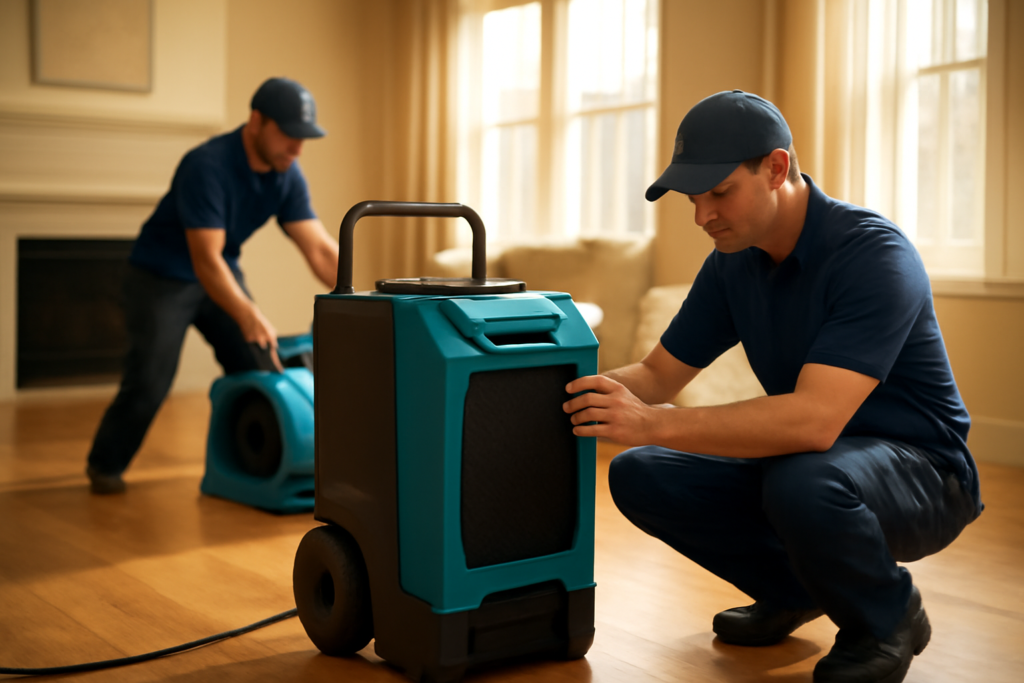
Next, the mold is removed. This might involve cleaning surfaces, replacing contaminated materials, or using specialized equipment. For larger-scale moisture issues, how industrial dehumidifiers dry out a home is essential information for businesses. Professionals use safe and effective cleaning agents. They ensure all affected areas are treated.
The Importance of Addressing Business Water Issues
Water damage in a commercial property can be devastating. It doesn’t just affect aesthetics; it can compromise structural integrity. And it creates fertile ground for mold. Addressing business water issues promptly is essential. This includes leaks, floods, or even persistent condensation.
Ignoring water damage can lead to mold growth within walls, ceilings, and HVAC systems. This can result in significant health risks and costly repairs. Prompt action can mitigate these risks. It’s vital to handle any commercial water damage swiftly.
Post-Remediation and Long-Term Care
After the mold is removed, the work isn’t entirely done. Professionals will ensure the area is clean and dry. They may conduct follow-up testing. This confirms that mold levels are back to normal. Maintaining a clean environment is crucial.
Long-term care involves continued vigilance. Regularly inspect your HVAC system. Address any new moisture issues immediately. Consistent maintenance and monitoring are your best defense against mold returning. This protects your investment and the health of everyone in your building.
Conclusion
Mold in commercial HVAC systems is a serious issue that demands attention. It affects air quality, occupant health, and can lead to extensive property damage if left untreated. Recognizing the signs, understanding the risks, and acting quickly are essential. Regular maintenance and prompt professional intervention are key to preventing and resolving mold problems. For trusted expertise and thorough remediation services in the Eden Prairie area, Eden Prairie Restoration Pros is a resource you can rely on to restore your commercial property to a safe and healthy condition.
What are the first signs of mold in an HVAC system?
The most common initial sign is a persistent musty or earthy odor, especially noticeable when the system is running. You might also observe visible mold growth around air vents or on filters. Unexplained allergy-like symptoms among building occupants can also be an early indicator.
Can mold in an HVAC system make people sick?
Yes, mold exposure can cause various health issues. These range from common allergy symptoms like sneezing and coughing to more severe reactions in sensitive individuals. Some molds can produce toxins that may pose greater health risks.
How often should commercial HVAC systems be inspected for mold?
Ideally, commercial HVAC systems should undergo professional inspection and maintenance at least annually. More frequent checks might be necessary in areas with high humidity or if the system has a history of moisture problems. Regular filter changes are also critical.
Is DIY mold removal safe for commercial HVAC systems?
For commercial HVAC systems, DIY mold removal is generally not recommended. The systems are complex, and improper cleaning can spread mold spores further, worsening the problem and potentially causing damage. Professional remediation is safer and more effective.
What steps can I take to prevent mold in my commercial HVAC system?
Key preventive steps include regular professional maintenance, changing air filters frequently, ensuring proper condensate drainage, fixing any duct leaks, and controlling indoor humidity levels. Keeping the system clean and dry is paramount.

Levi Lemieux is a licensed Damage Restoration Expert with more than 20 years of hands-on experience in disaster recovery and structural mitigation. As a seasoned industry authority, Levi has dedicated two decades to mastering the technical complexities of environmental safety, providing property owners with the reliable expertise and steady leadership required to navigate high-stress property losses with absolute confidence.
𝗖𝗲𝗿𝘁𝗶𝗳𝗶𝗰𝗮𝘁𝗶𝗼𝗻𝘀: Levi holds elite IICRC credentials, including Water Damage Restoration (WRT), Applied Structural Drying (ASD), Mold Remediation (AMRT), Fire and Smoke Restoration (FSRT), and Odor Control (OCT).
𝗙𝗮𝘃𝗼𝗿𝗶𝘁𝗲 𝗣𝗮𝘀𝘁𝗶𝗺𝗲: When off-site, Levi is a passionate mountain biker and an amateur astronomer, hobbies that reflect the endurance and precision he brings to every restoration project.
𝗕𝗲𝘀𝘁 𝗣𝗮𝗿𝘁 𝗼𝗳 𝘁𝗵𝗲 𝗷𝗼𝗯: He finds the most fulfillment in providing a clear path forward for families, turning a site of devastation back into a safe, comfortable home.