
Do You Have To Disclose Flood Damage When Selling?
Trusted by 155+ Homeowners
You generally do have to disclose flood damage when selling your home in most states.
Failing to disclose known flood damage can lead to serious legal and financial consequences for you.
TL;DR:
- Disclosure laws vary by state, but most require you to reveal known flood damage.
- Omitting flood damage can result in lawsuits and financial penalties after the sale.
- Properly repairing flood damage before selling is often the best approach.
- Consulting with restoration professionals can help assess and fix damage.
- Always seek legal advice to understand your specific disclosure obligations.
Do You Have to Disclose Flood Damage When Selling?
Selling your home can be an exciting time. You want to get the best possible price. But what if your home has suffered flood damage in the past? This is a big question many homeowners have. Do you need to tell potential buyers about it? The short answer is: usually, yes. Disclosure laws are in place to protect buyers. They ensure you’re not hiding problems that could cost them a lot of money later.
Understanding your local regulations is key. Many states have specific disclosure forms. These forms ask direct questions about past water damage. Even if a past flood event was repaired, if it was significant, you might still need to mention it. Honesty upfront can prevent major headaches down the road.
Why Disclosure Matters for Buyers and Sellers
Buyers want to know what they’re getting into. They invest a lot of money in a home. Discovering hidden flood damage after moving in can be devastating. It erodes trust between buyer and seller. For you, the seller, failing to disclose can have serious repercussions.
Imagine buying a house, only to find out later it had major water issues. The new owner could sue you for damages. This could mean paying for expensive repairs you thought were long gone. It is always better to be upfront about known issues.
State Disclosure Laws: A Patchwork of Rules
Disclosure requirements are not uniform across the country. Some states have very strict laws. Others are more relaxed. Generally, if you know about a defect that affects the property’s value or safety, you must disclose it. Flood damage often falls into this category.
Some states require sellers to fill out a detailed property condition report. This report often asks specific questions about water damage, mold, or past flooding. If you answer “no” to a question about flood damage when you know there was some, that’s a problem. This is considered misrepresentation.
What Constitutes “Known” Flood Damage?
This can be a tricky area. “Known” usually means you have actual knowledge of the damage. This could be from personal experience, a previous inspection, or repair records. If you had a basement flood years ago that was professionally repaired, you likely know about it.
Even if the damage seems minor now, it’s wise to err on the side of caution. A buyer might later claim the repair wasn’t adequate. Or, they might discover new problems stemming from the old damage. Documenting all past repairs is highly recommended.
The Impact of Past Flood Damage on Resale Value
Past flood damage can definitely affect a home’s resale value. Buyers may be wary of properties with a history of flooding. They might worry about future events. They may also factor in potential long-term issues like mold or structural weakness. Even if the repairs were perfect, the stigma can remain.
Research shows that properties with a history of flooding can sell for less. Buyers might also face challenges getting insurance. This is why understanding how professionals handle flood damage is so important. Learning how pros dry out a flooded home step by step can give you a better idea of the scope of potential repairs.
Should You Repair Flood Damage Before Selling?
This is often the best strategy. If you have flood damage, addressing it thoroughly before listing your home can make a big difference. Buyers are more attracted to homes that are move-in ready. They are less likely to be scared off by a known problem if it’s already fixed.
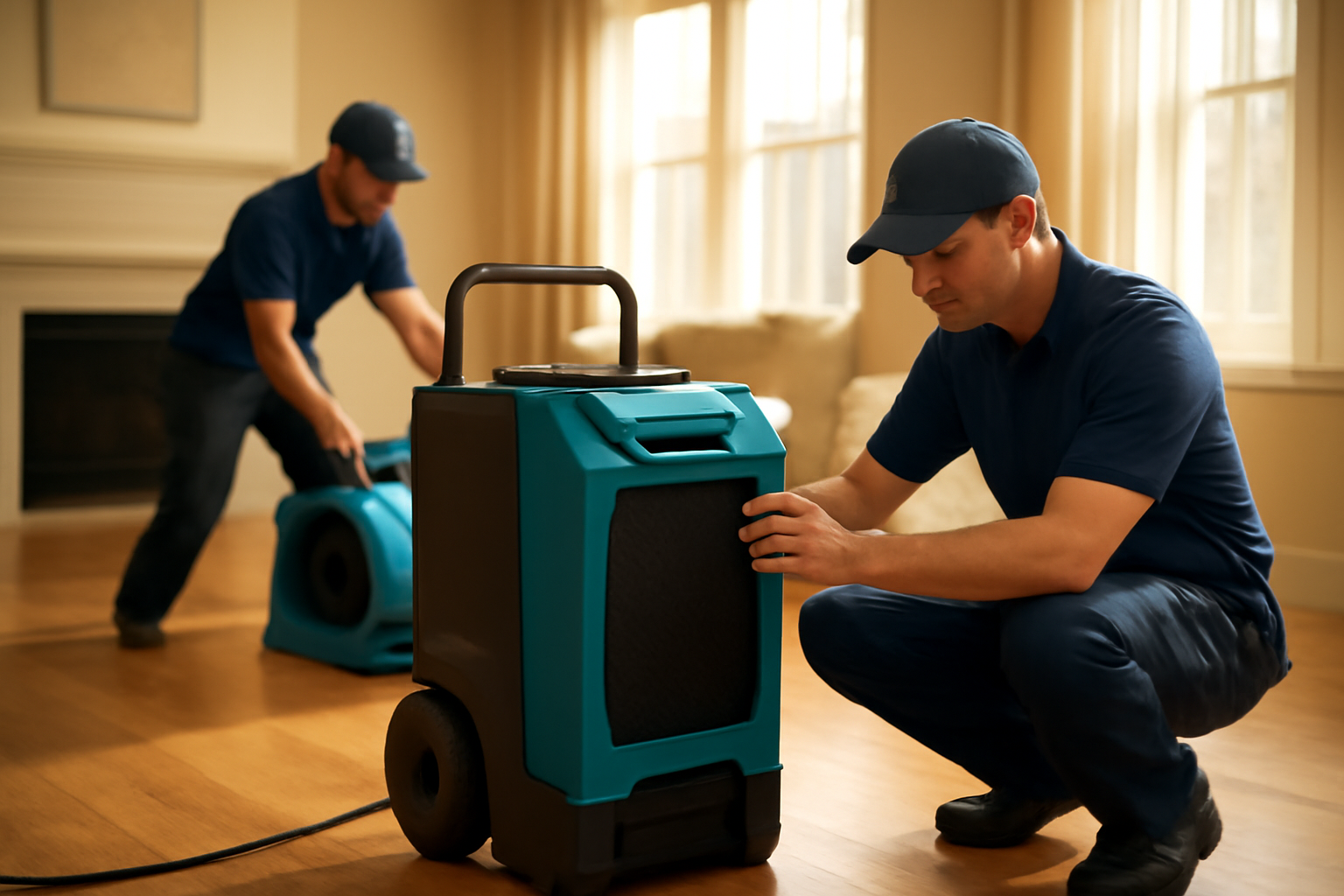
A professional restoration company can assess the damage. They can perform necessary repairs, including drying, dehumidifying, and mold remediation. This shows buyers you’ve taken care of the issue. It can also help you achieve a better sale price. You can then disclose that the damage was repaired. This is a much stronger selling point.
When Water Intrusion Risks Are High
Some homes are in areas with higher water intrusion risks. This could be due to proximity to rivers, flood plains, or poor drainage. If your home has a history of flooding, buyers will likely be very interested in how you managed it. They may even ask for proof of repairs and mitigation efforts.
Even seemingly minor issues like clogged gutters or improper grading can lead to problems. Simple solutions like downspout extensions can help, but they aren’t always enough for major events. Understanding the root cause of any past flooding is essential for effective repair and disclosure.
The Process of Professional Flood Damage Restoration
When a home experiences flooding, professional help is often necessary. Restoration companies have specialized equipment and expertise. They can handle everything from water extraction to structural drying. This ensures that the damage is fully addressed. It also helps prevent secondary issues like mold growth.
The process typically involves several stages. These include inspection, water removal, drying and dehumidifying, and sanitization. Sometimes, rebuilding or repair of damaged materials is also needed. Knowing how long it takes to dry out a flooded room can help set expectations for repairs.
Common Disclosure Scenarios and Best Practices
Let’s look at some common situations. You had a minor leak from a washing machine hose that was fixed. You probably need to disclose this, especially if it caused any visible damage. You had a major storm that caused basement flooding, and you hired professionals to repair it. This absolutely needs to be disclosed.
Even if you don’t think the damage was severe, it’s wise to disclose. A buyer’s inspector might find something you missed. Or, they might be concerned about the water intrusion risks. Honesty is the best policy. Always be truthful on your disclosure forms.
Legal Ramifications of Non-Disclosure
Failing to disclose known flood damage can lead to a lawsuit. Buyers can sue for “failure to disclose” or “fraudulent misrepresentation.” If they win, you could be responsible for paying for all the repairs they incurred. This can include the cost of fixing the original damage, plus any new problems that arose.
It can also include legal fees for both sides. The financial and emotional toll can be immense. A lawsuit can also damage your reputation. Protect yourself by being transparent.
When in Doubt, Consult a Professional
If you’re unsure whether you need to disclose past flood damage, seek expert advice. This includes consulting with a real estate attorney in your state. They can explain your specific legal obligations. You might also want to get an opinion from a qualified home inspector or a restoration professional.
They can help you assess the extent of any past damage. They can also advise on the best way to address it. This information can be helpful when filling out disclosure forms. Get expert advice today to ensure compliance.
Checklist: Preparing Your Home for Sale After Flood Damage
- Assess the extent of all past flood damage.
- Get professional repairs for any remaining issues.
- Gather all documentation for repairs and maintenance.
- Consult a real estate attorney about disclosure requirements.
- Be honest and thorough on all seller disclosure forms.
- Consider a pre-listing inspection to identify potential concerns.
Conclusion
Navigating the sale of a home with past flood damage requires careful attention. In most cases, you have a legal and ethical obligation to disclose known flood damage to potential buyers. Failing to do so can lead to significant legal and financial troubles after the sale. The best approach is often to address any damage thoroughly with the help of professionals. Then, disclose the repairs you’ve made. This transparency builds trust and can help ensure a smoother transaction. If you’re dealing with the aftermath of flooding in your home, remember that resources like Eden Prairie Restoration Pros are here to help assess and restore your property.
What if I didn’t know about the flood damage?
If you genuinely had no knowledge of the flood damage, you may not be liable. However, “knowledge” can sometimes be interpreted broadly. If a reasonable person in your situation would have known, it could still be an issue. This is where legal advice is particularly important. Documenting your lack of knowledge can be helpful.
Does minor water damage need to be disclosed?
Generally, yes. Even minor water damage, if it was repaired, should be disclosed. It’s better to let the buyer know. They can then decide if it’s a concern for them. Honesty about minor issues builds trust.
Can I get in trouble for water damage I fixed myself?
You can still get in trouble if you didn’t disclose it, even if you fixed it yourself. The issue is the non-disclosure, not just the unrepaired damage. If the repair was inadequate, that’s another problem. Always disclose past issues and repairs.
What if the flood damage was before I owned the house?
Disclosure laws usually apply to conditions you knew about during your ownership. However, some states require disclosure of past significant events regardless of ownership. Check your state’s specific laws or consult an attorney. It is best to err on the side of caution.
How can a restoration company help with selling a home?
A restoration company can assess past flood damage. They can provide documentation of repairs. This shows buyers you’ve dealt with issues professionally. They can also help fix any remaining problems. This makes your home more attractive to buyers. Get a professional assessment to ease the selling process.