Spring Mold Risks: Why Humidity Season Is The Worst
Trusted by 155+ Homeowners
Spring mold risks are high because humidity season brings ideal conditions for mold growth. High indoor humidity creates a breeding ground for mold spores.
Understanding spring mold risks helps you protect your home and health from this common problem. Early detection and prevention are key.
TL;DR:
- Spring’s humidity creates perfect mold conditions.
- Hidden moisture sources are the main culprits.
- Watch for musty smells and visible mold.
- Address water damage and leaks immediately.
- Control indoor humidity for prevention.
Spring Mold Risks: Why Humidity Season Is the Worst
Spring often brings warmer weather. It also brings a significant increase in humidity. This is the perfect storm for mold growth in your home. You might be thinking about spring cleaning, but you should also think about spring mold prevention. We found that higher indoor humidity levels are a major contributor to mold problems. This is especially true after a long, wet winter. Understanding these risks can help you keep your home safe and healthy.
The Humidity Connection
As temperatures rise, the air holds more moisture. When this warm, moist air comes into contact with cooler surfaces inside your home, condensation can form. This is especially common on windows, pipes, and in unventilated areas. This trapped moisture is a direct invitation for mold spores to take hold and multiply. Many homeowners don’t realize how quickly mold can grow once it finds a damp spot.
Where Does the Moisture Come From?
Moisture sources can be sneaky. Leaky pipes are a common culprit. Dripping faucets can also contribute. Even everyday activities like showering and cooking release a lot of moisture. In the spring, melting snow and increased rainfall can also lead to groundwater seeping into basements. This is why checking for and fixing any water damage link is so important. It’s often hidden from plain sight.
Common Spring Mold Hotspots
Certain areas in your home are more prone to mold during humid seasons. Bathrooms and kitchens are prime suspects due to constant moisture. Basements and crawl spaces are also vulnerable. These areas are often cooler and less ventilated. We found that without proper humidity control measures, these spaces can become mold farms.
Attics and Wall Cavities
Don’t forget about less obvious spots. Attics can collect moisture from roof leaks or poor ventilation. Wall cavities can become damp from condensation or minor leaks. If you notice peeling paint or wallpaper, it might signal a hidden moisture problem. Addressing these issues early can prevent widespread mold growth and costly repairs.
The Smell of Trouble
One of the first signs of a mold problem is often a distinct odor. That “musty smell” is your nose telling you something is wrong. It’s the smell of mold spores actively growing. If you detect this smell, it’s a strong indicator of a hidden moisture source. Don’t ignore it; investigate further. Ignoring it could lead to bigger issues down the road.
Don’t Just Mask the Smell
Simply using air fresheners won’t solve the problem. It only covers up the smell temporarily. You need to find and eliminate the source of the moisture. This is a critical step in effective mold remediation. We found that addressing the root cause is the only way to truly get rid of mold.
Health Effects of Mold Exposure
Beyond the unpleasant smell and potential damage to your home, mold can pose serious health risks. Exposure to mold spores can trigger allergies and asthma symptoms. Some people experience respiratory issues, headaches, and skin irritation. Certain types of mold can have more severe impacts. Research shows that prolonged exposure can lead to significant health effects of mold. This is why acting quickly is essential.
Who Is Most at Risk?
Children, the elderly, and individuals with compromised immune systems are often more susceptible to mold-related illnesses. If anyone in your household has respiratory issues, mold exposure can be particularly dangerous. It’s important to take precautions to ensure a healthy living environment for everyone. Prioritizing your family’s well-being is always the right choice.
Preventing Mold Before It Starts
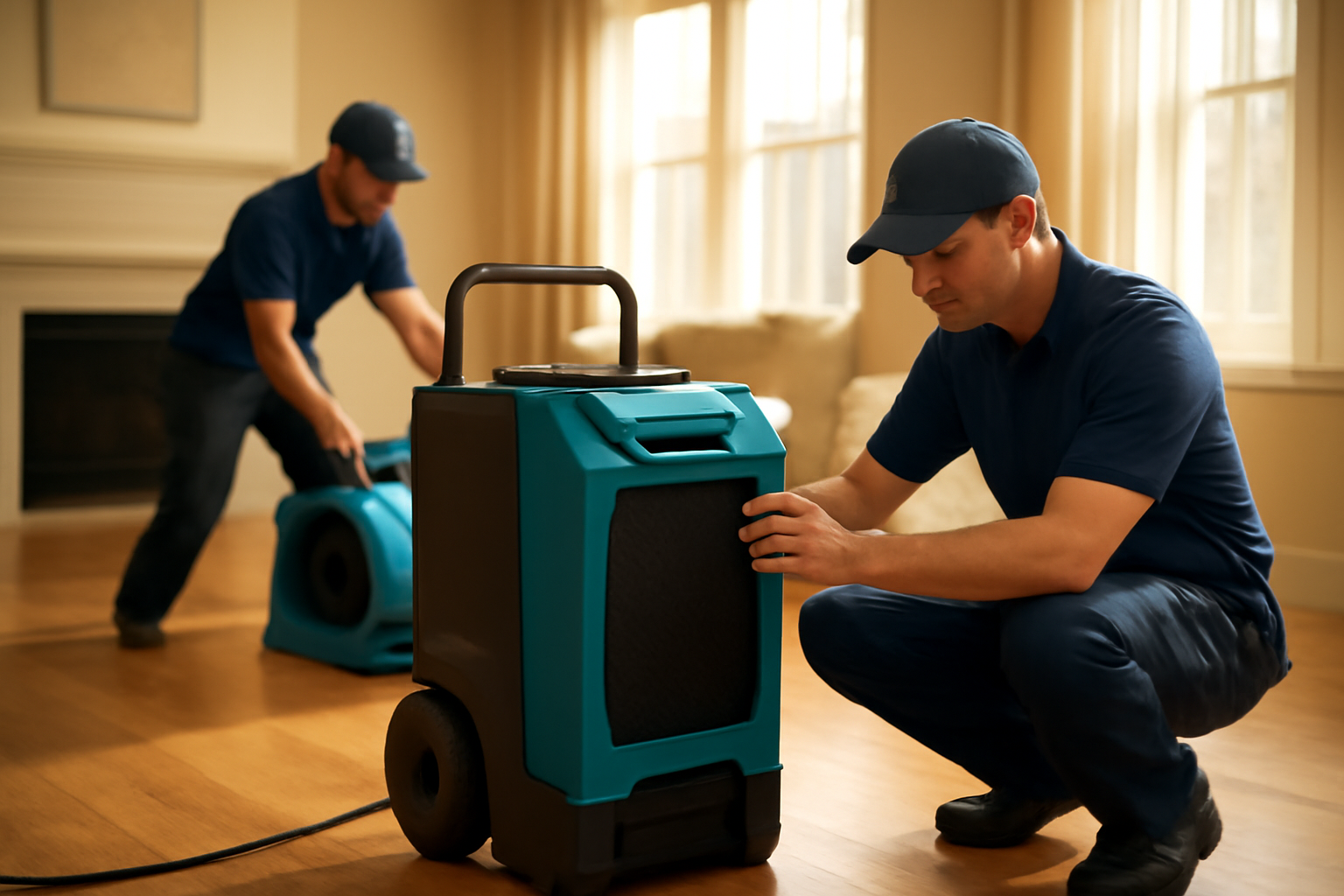
The best defense against spring mold is prevention. This means controlling indoor humidity levels. Aim for humidity between 30% and 50%. Using dehumidifiers, especially in damp areas like basements, can make a big difference. Ensure good ventilation in bathrooms and kitchens. Use exhaust fans when cooking or showering. These simple steps are effective mold prevention tips.
Regular Inspections Matter
Make it a habit to inspect your home regularly for signs of moisture. Check under sinks, around windows, and in basements. Look for any damp spots, water stains, or discoloration on walls and ceilings. Early detection is key to preventing small issues from becoming large mold infestations. A little vigilance goes a long way.
What to Do If You Find Mold
If you discover mold, don’t panic. For small areas of mold, you might be able to clean it yourself. Use a solution of water and detergent. However, if the mold covers a large area or you suspect it’s in your HVAC system, it’s time to call a professional. Trying to clean extensive mold can spread spores further. This is when you should get expert advice today. Professionals have the right equipment and knowledge to handle it safely.
Addressing Water Damage Promptly
Any water damage incident, no matter how small, needs immediate attention. Standing water can lead to mold growth within 24-48 hours. Drying out affected areas thoroughly is crucial. This is also where understanding moisture sources becomes vital for preventing mold. Don’t wait to address leaks or spills; act fast.
Spring Cleaning Checklist for Mold Prevention
As you tackle your spring cleaning, consider adding these mold prevention tasks:
- Check gutters and downspouts for clogs.
- Inspect the roof for any damage.
- Ensure proper drainage away from your home’s foundation.
- Clean out refrigerator drip pans.
- Wipe down windowsills after rain.
- Use exhaust fans in bathrooms and kitchens regularly.
Humidity Control Strategies
Maintaining optimal indoor humidity is key. Use a hygrometer to monitor levels. Invest in a good dehumidifier if needed. Ensure your home’s ventilation systems are working correctly. Proper airflow helps prevent moisture buildup. This is especially important in rooms prone to dampness. Good ventilation is a cornerstone of mold prevention.
| Humidity Level | Potential Issues | Recommended Action |
|---|---|---|
| Below 30% | Dry air, static electricity | Consider a humidifier if needed. |
| 30% – 50% | Ideal range for comfort and health | Maintain this level. |
| 50% – 60% | Slight risk of mold and dust mites | Increase ventilation or use a dehumidifier. |
| Above 60% | High risk of mold, mildew, and dust mites | Use a dehumidifier and ensure good airflow. |
Conclusion
Spring’s warmer, humid air can create a welcoming environment for mold in your home. By understanding the risks associated with increased moisture, identifying common problem areas, and taking preventative measures, you can protect your property and your health. Regularly inspecting for leaks and controlling indoor humidity are vital steps. If you suspect a mold problem or have experienced water damage, it’s best to seek professional help. Eden Prairie Restoration Pros is a trusted resource for assessing and addressing mold and water damage issues, ensuring your home remains a safe and healthy space.
What are the main signs of mold growth?
The most common signs are a persistent musty odor, visible mold growth (often appearing as black, green, or white fuzzy or slimy patches), and water stains on walls or ceilings. You might also notice peeling paint or warped drywall.
How quickly can mold grow after a water leak?
Mold spores are everywhere, and they only need a food source and moisture to grow. We found that mold can start to grow within 24 to 48 hours after a water leak if the area isn’t properly dried and cleaned.
Can I clean mold myself?
For very small, surface mold spots, you might be able to clean them with a mild detergent and water. However, if the mold covers a larger area (more than a square foot), is deep within porous materials, or if you have respiratory issues, it’s safer to call a professional right away. Professionals have the right safety gear and containment methods.
What is the ideal indoor humidity level to prevent mold?
Experts generally recommend keeping indoor humidity levels between 30% and 50%. Levels above 60% significantly increase the risk of mold growth. Using a hygrometer can help you monitor these levels accurately.
How does spring rain contribute to mold problems?
Spring rain can lead to increased groundwater around your home’s foundation. This can cause moisture to seep into basements and crawl spaces. Heavy rain can also contribute to roof leaks or damage, creating new entry points for water and subsequent mold growth. It’s another of the many moisture sources to be aware of.