Does Renters Insurance Cover Water And Mold Damage?
Trusted by 155+ Homeowners
Renters insurance often covers water and mold damage, but the specifics depend on your policy’s terms and the cause of the damage.
Understanding your policy is key to knowing what your renters insurance will cover for water and mold issues.
TL;DR:
- Renters insurance can cover sudden water damage from events like burst pipes.
- Mold damage coverage is often limited and depends on the water source.
- Damage from floods or sewer backups may require separate insurance.
- Your landlord’s insurance covers the building, not your belongings.
- Review your policy carefully and contact your insurer for clarification.
Does Renters Insurance Cover Water and Mold Damage?
It’s a question many renters ask, especially after an unexpected leak or a musty smell appears. The short answer is: usually, yes, but with important conditions. Renters insurance is designed to protect your personal property and provide liability coverage. When water damage or mold strikes your rented space, understanding your policy is the first step to getting the right help.
Understanding Your Policy’s Limits
Your renters insurance policy is your best friend when damage occurs. It typically covers damage to your personal belongings. This includes furniture, electronics, clothing, and other possessions you own. However, the policy will specify what types of events are covered. Sudden and accidental water damage is often included.
Water Damage: What’s Typically Covered?
Think about common household accidents. A pipe bursts in your apartment, flooding your living room. Your washing machine hose breaks, creating a watery mess. These are usually considered sudden and accidental events. Your renters insurance would likely cover the cost to repair or replace your damaged personal property. It might also cover temporary living expenses if your home becomes uninhabitable. This is a critical aspect of recovering from unexpected water events.
Sudden vs. Gradual Leaks
Here’s where it gets a bit tricky. Insurance policies often distinguish between sudden and gradual water damage. A sudden event, like a burst pipe, is generally covered. However, damage from a slow, long-term leak that you knew about or should have known about might not be covered. For instance, a leaky faucet you ignored for months could lead to damage that your insurer deems preventable. This is why addressing leaks promptly is so important.
When Does Renters Insurance Cover Mold?
Mold is a common consequence of water damage. If mold grows because of a covered water event, your renters insurance may cover the costs. This could include the cost of mold remediation and replacing damaged personal property. However, coverage for mold is often more restricted than for water damage itself. It really depends on the source of the water that caused the mold.
The Crucial Link: Water Source
If the mold resulted from a sudden, accidental water leak that your policy covers, you’re more likely to have coverage. But if the mold stemmed from an issue not covered by your policy, like gradual seepage or poor maintenance, your claim might be denied. Many policies exclude mold damage that arises from neglect or an uncovered peril. We found that understanding the cause is paramount.
What About Flood and Sewer Backup Damage?
These are common exclusions in standard renters insurance policies. If your apartment floods due to external causes like heavy rain, overflowing rivers, or storm surges, you’ll likely need separate flood insurance. Similarly, damage from sewer backups or sump pump failures often requires an endorsement or a separate policy. These are considered high-risk events. Insurers may offer riders for them, but they aren’t standard. Always check if you can add this protection for complete peace of mind.
Landlord’s Responsibilities vs. Your Responsibilities
It’s easy to get confused about whose insurance covers what. Your landlord’s insurance policy covers the building structure itself – the walls, roof, and fixed appliances. It does not cover your personal belongings inside the apartment. Your renters insurance is specifically for your possessions and your liability. If the water damage is due to the landlord’s failure to maintain the property, you might have options regarding your policy legal rights.
When Landlords Are Liable
Research shows that landlords have certain obligations to keep the property safe and habitable. If the water damage or mold is a direct result of the landlord’s negligence, such as failing to fix a known issue, they might be held responsible. This is especially true if it leads to serious health risks for tenants. Navigating landlord liability can be complex, and understanding your policy legal rights is essential.
Steps to Take When Water or Mold Damage Occurs
Discovering water or mold damage can be stressful. Here’s a practical checklist to guide you through the process:
- Act Quickly: The sooner you address the issue, the less damage there will likely be.
- Document Everything: Take photos and videos of the damage before anything is moved or cleaned.
- Notify Your Landlord: Inform your landlord immediately about the situation.
- Contact Your Insurance Company: Report the damage to your renters insurance provider.
- Prevent Further Damage: Take reasonable steps to stop the water from spreading or mold from growing further, if safe to do so.
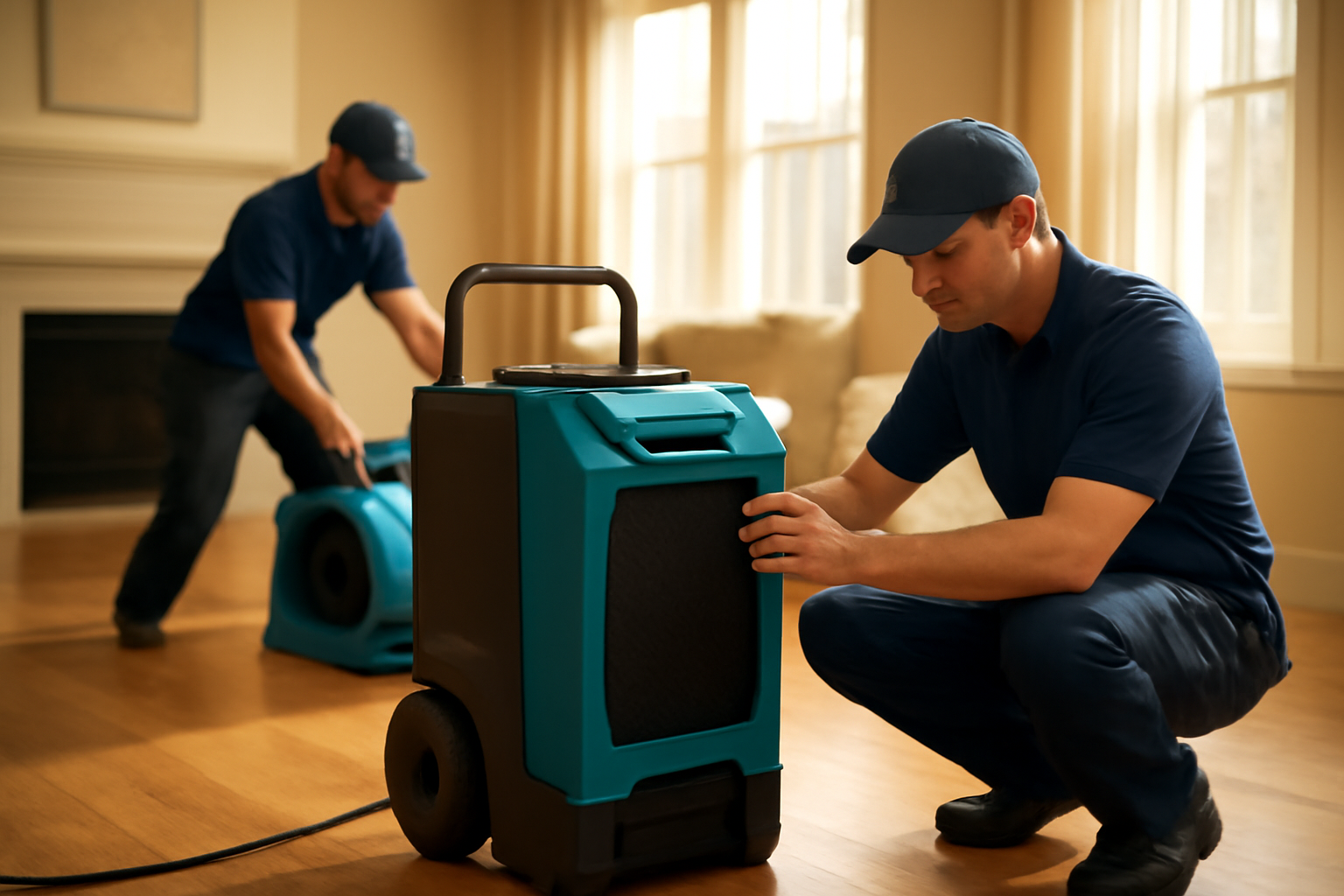
- Seek Professional Help: For significant water or mold issues, it’s best to call a professional right away.
Navigating a Claim Dispute Process
Sometimes, insurance claims can be tricky. If your insurer denies your claim, don’t despair. You have the right to understand why. Request a detailed explanation in writing. You can then review your policy documents carefully. If you believe the denial is unfair, you can appeal the decision. Understanding the claim dispute process is your next step. You might also want to consult with a legal professional or an insurance advocate. This is particularly true if you suspect negligence on the part of the landlord or a faulty repair.
Does Homeowners Insurance Cover Mold Damage?
While this article focuses on renters insurance, it’s worth noting that homeowners insurance coverage for mold is also complex. Often, it’s covered only if the mold resulted from a covered peril, like a sudden pipe burst. Gradual moisture issues are usually excluded. If you’re a homeowner facing mold, understanding your mold insurance coverage is vital. This is similar to how renters insurance handles mold.
Considering Specific Areas: Crawl Spaces
Damage in less visible areas, like crawl spaces, can be particularly problematic. If water accumulates in your crawl space due to a covered event, your renters insurance might cover damage to your belongings stored there. However, coverage for the structure itself falls under the landlord’s policy. For homeowners, understanding does insurance cover crawl space mold or water damage is a common concern, often with similar caveats about the cause of the water intrusion.
When to Consider Separate Insurance
For renters, flood insurance and sewer backup coverage are the most common add-ons to consider. If you live in an area prone to flooding or have experienced sewer issues before, these policies can offer essential protection. They are typically purchased separately or as an endorsement to your existing policy. This is about protecting your assets beyond the standard coverage.
Mold Prevention and Maintenance Tips
The best way to deal with mold is to prevent it. Regularly check for leaks under sinks and around appliances. Ensure good ventilation in bathrooms and kitchens to reduce moisture. Keep your rented space clean and dry. If you notice any dampness, address it immediately. These small steps can prevent big problems and potentially save you from a complicated insurance claim. This is about being proactive with your living space.
Conclusion
Navigating renters insurance for water and mold damage requires careful attention to your policy details. While standard policies often cover sudden water damage and resulting mold, exclusions for floods, sewer backups, and gradual leaks are common. Understanding the cause of the damage is crucial for a successful claim. If you’re a renter in Eden Prairie facing water or mold damage, remember that prompt action and clear documentation are your best allies. For expert assessment and restoration services, Eden Prairie Restoration Pros is a trusted resource ready to help you recover.
What if my landlord doesn’t fix the water damage?
If your landlord fails to address covered water damage, you may have options. First, send a formal written notice to your landlord detailing the issue and requesting repairs. If they still don’t act, research your local tenant rights and landlord obligations. You might be able to withhold rent (in some areas, with specific procedures), break your lease, or pursue legal action. Consulting with a tenant advocacy group or legal aid can provide guidance specific to your situation. It’s important to follow the correct legal procedures to avoid jeopardizing your rights.
Can mold in my apartment make me sick?
Yes, mold can cause health problems for some people. Exposure to mold can lead to symptoms like coughing, wheezing, nasal congestion, and eye irritation. Individuals with asthma or other respiratory conditions may experience more severe reactions. People with mold allergies can also suffer significantly. If you suspect mold is affecting your health, it’s important to address the mold issue and consult a healthcare professional. Your health should always be a top priority.
Is it worth getting renters insurance if I rent a small apartment?
Absolutely. Even in a small apartment, you have personal belongings that have value. Think about your electronics, furniture, clothing, and other possessions. Replacing them all out-of-pocket after a fire, theft, or significant water damage could be a huge financial burden. Renters insurance is typically very affordable, especially considering the protection it offers. It provides financial protection for your belongings and liability coverage if someone gets injured in your apartment.
What should I do if I find mold before renting a place?
Before signing a lease, always conduct a thorough inspection of the rental property. Look for any signs of water damage, such as stains on ceilings or walls, peeling paint, or a musty odor. Check bathrooms, kitchens, basements, and around windows. If you find potential mold or water damage, bring it to the landlord’s attention immediately. Ask them to address it before you move in. You can also ask for documentation of any past mold issues and remediation efforts. This is crucial for understanding potential future problems and your policy legal rights from the start.
How quickly does mold start growing after water damage?
Mold can start to grow surprisingly quickly after a water intrusion event. Within 24 to 48 hours, mold spores can begin to colonize damp surfaces. The faster you can dry out the affected area and remove the moisture source, the less likely mold is to take hold and spread. This is why immediate action after water damage is so critical. It significantly impacts the potential for mold growth and the extent of restoration needed. Don’t wait to get help when you see water damage.