
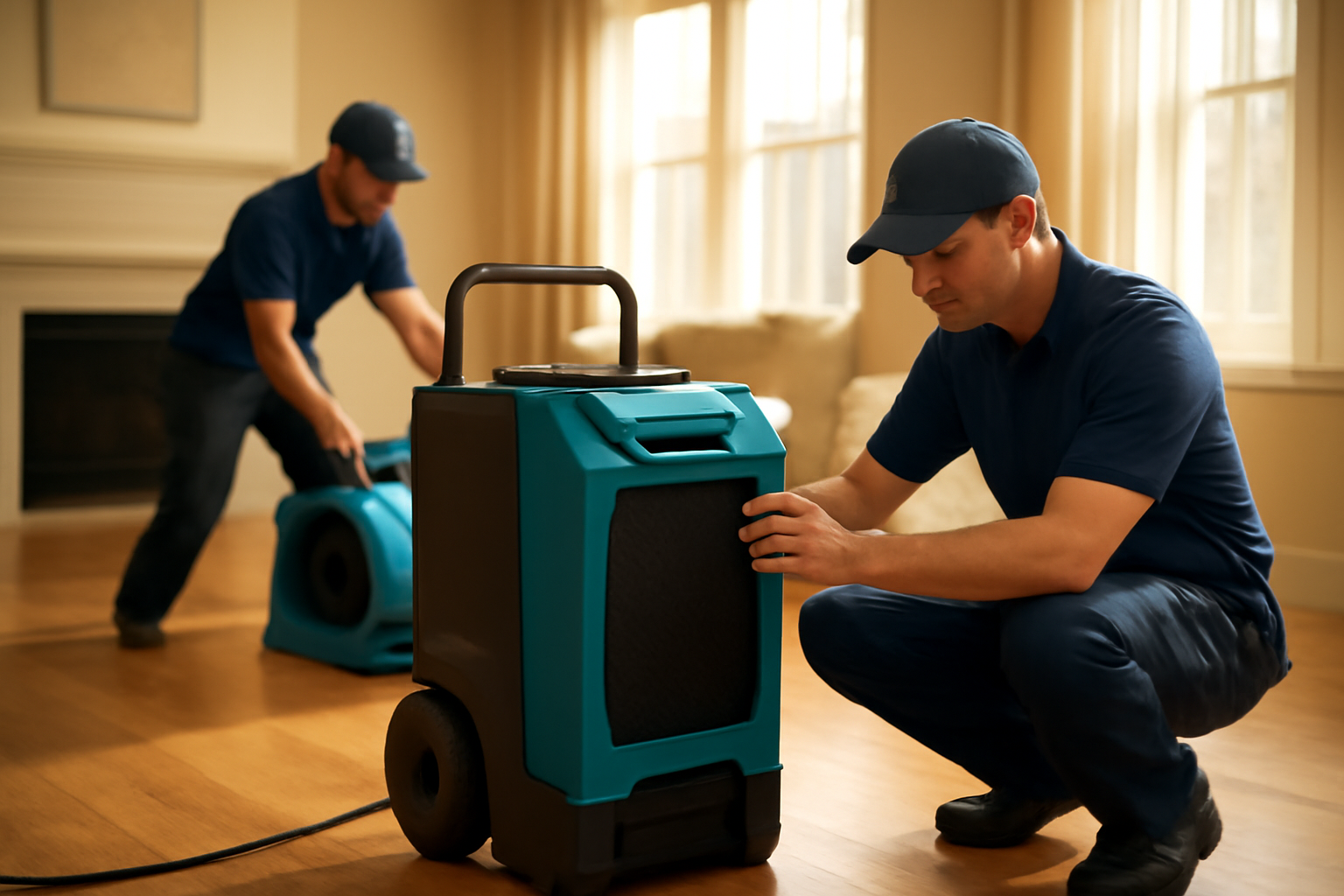
Why Does My House Smell Musty After It Rains?
Trusted by 155+ Homeowners
A musty smell after rain is often a sign of moisture and potential mold growth in your home.
Addressing this smell promptly is key to preventing further damage and protecting your health.
TL;DR:
- The musty smell is usually caused by mold or mildew thriving in damp conditions.
- Rain can introduce moisture through leaks, condensation, or high humidity.
- Common culprits include leaky roofs, foundation cracks, and poor ventilation.
- Addressing the source of moisture is the first step to eliminating the smell.
- Professional restoration can help identify and fix the problem permanently.
Why Does My House Smell Musty After It Rains?
That damp, earthy smell that creeps into your home after a good rain is more than just an unpleasant odor. It’s a clear signal that moisture has found its way into your house. This moisture creates a perfect breeding ground for mold and mildew. These tiny organisms are what produce that distinct musty odor. Understanding why this happens is the first step to tackling the problem.
The Science Behind the Musty Smell
Mold and mildew are types of fungi. They feed on organic materials found in your home, like drywall, wood, and even dust. When these organisms grow, they release microscopic spores and volatile organic compounds (VOCs) into the air. These VOCs are what you smell. The damper and warmer it is, the faster they grow and the stronger the smell becomes. This is why the smell often intensifies after periods of rain.
Moisture is the Culprit
Rain introduces water into your environment. This water can enter your home in several ways. It might seep through small cracks in your foundation. It could leak from your roof or gutters. Sometimes, it’s simply increased humidity in the air causing condensation. No matter how it gets in, excess moisture is the main ingredient for that musty smell.
Common Entry Points for Moisture
Where does the water hide?
- Leaky Roof or Gutters: Damaged shingles or clogged gutters can allow water to seep into your attic or walls.
- Foundation Cracks: Heavy rain can put pressure on your foundation, forcing water into your basement or crawl space.
- Window and Door Seals: Old or damaged seals can allow rain to penetrate around windows and doors.
- Poor Ventilation: Bathrooms, kitchens, and basements without proper airflow trap moisture.
- HVAC System Issues: Leaky ductwork or condensation issues within your HVAC can spread moisture.
The Role of Humidity
Even without direct leaks, high humidity can be a problem. When outdoor air is very humid, it can condense on cooler surfaces inside your home. This is especially true in basements or poorly insulated areas. This condensation provides just enough moisture for mold and mildew to start growing.
What Does This Mean for Your Home?
A persistent musty smell is a warning sign. It indicates that your home may have an underlying moisture problem. Ignoring this smell can lead to more serious issues down the line. These range from structural damage to health concerns for your family. It’s important to take this smell seriously.
The Link to Water Damage
That musty odor is often one of the first signs of interior water damage. If you can smell it, moisture is likely present and potentially causing harm. This is why identifying the musty odor causes is so important. Early detection can save you a lot of trouble and expense.
Mold Growth: A Growing Concern
Mold needs moisture to grow. Research shows that mold can start to grow within 24 to 48 hours after a water event. This means that after a heavy rain, if moisture is present, mold could already be developing. The longer moisture remains, the more mold can spread. This is why addressing water intrusion risks is so critical. Understanding how long after a flood does mold start growing? can help you act fast.
Health Implications of Mold
Breathing in mold spores can trigger allergies and asthma symptoms. Headaches, fatigue, and respiratory issues are also common. For some people, mold exposure can lead to more severe health problems. Protecting your home from mold is also about protecting your family’s well-being. The mold smell source needs to be found and eliminated.
What Can You Do About the Musty Smell?
Don’t panic! There are steps you can take to combat that musty odor. The key is to find and eliminate the source of the moisture. Then, you need to address any mold or mildew that has already started to grow.
Step 1: Find the Moisture Source
This is the most critical step. You need to be a detective. Inspect areas that are typically prone to moisture after rain:
- Check your basement and crawl spaces for dampness or standing water.
- Look for water stains on ceilings and walls, especially near windows and roofs.
- Ensure your gutters are clear and directing water away from your foundation.
- Examine the seals around windows and doors for any signs of wear or leaks.
- Check your attic for any dampness or signs of roof leaks.
If you discover signs of water damage, it’s important to get it fixed. This could involve repairing your roof, sealing foundation cracks, or replacing damaged seals. Ignoring these issues will only allow the problem to worsen.
Step 2: Improve Ventilation
Good airflow helps to dry out damp areas. Use exhaust fans in bathrooms and kitchens. Consider a dehumidifier for basements or other damp rooms. Open windows when the weather permits to allow fresh air to circulate. Proper ventilation is a mold removal tool that helps prevent future issues.
When to Call the Professionals
Sometimes, the problem is too big to handle on your own. If you can’t find the source of the moisture, or if you suspect significant mold growth, it’s time to call for help. Professionals have the tools and expertise to identify hidden moisture and assess the extent of mold damage.
Professional Moisture Detection
Experts can use specialized equipment, like moisture meters and thermal cameras, to find hidden water. This ensures that all affected areas are identified. They can also determine the best course of action for repairs and drying.
Mold Remediation Experts
If mold is present, professional mold remediation is often necessary. They use containment methods and specialized equipment to safely remove mold. This includes using air scrubber function devices to clean the air. They ensure that mold spores are not spread to other parts of your home. This is especially important if you have pets, as pet urine odor after flooding can be particularly stubborn to eliminate. Professionals can handle complex issues related to water intrusion risks and widespread mold.
| Problem | Potential Cause | Solution |
|---|---|---|
| Musty Smell | Mold/Mildew Growth | Find and fix moisture source, dry area, professional remediation if needed. |
| Damp Basement | Foundation leaks, high humidity | Seal cracks, use dehumidifier, improve drainage. |
| Attic Moisture | Roof leaks, poor ventilation | Repair roof, add ventilation, check insulation. |
| Wall Stains | Plumbing leak, exterior leak | Repair pipe, seal exterior, dry wall thoroughly. |
Restoring Your Home’s Freshness
Getting rid of the musty smell involves more than just masking it. It requires addressing the root cause. Once the moisture is gone and any mold is removed, your home can return to its fresh, clean state. Sometimes, professional cleaning and deodorizing are needed. These methods can remove lingering odors and ensure a healthy living environment.
The Importance of Acting Quickly
The longer moisture and mold are present, the more damage they can cause. This can affect your home’s structure and your family’s health. It’s crucial to act before it gets worse. Getting expert advice today can save you from much larger problems later.
Preventing Future Musty Smells
Regular home maintenance is your best defense. Keep an eye on your roof and gutters. Ensure your foundation is properly sealed. Maintain good ventilation throughout your home. Address any small leaks or damp spots immediately. This will help prevent moisture buildup and keep that musty smell away.
Checklist for a Musty-Free Home
Here’s a quick checklist to help you maintain a fresh-smelling home:
- Inspect your roof and gutters regularly.
- Check your basement and crawl spaces for moisture.
- Ensure bathroom and kitchen fans are working properly.
- Use a dehumidifier in damp areas if needed.
- Address any leaks or water stains promptly.
- Consider a professional inspection if the smell persists.
Conclusion
A musty smell after rain is a clear indicator of moisture problems in your home. It’s often tied to mold and mildew growth, which can impact both your home’s structure and your health. By understanding the common causes, such as leaks, poor ventilation, and high humidity, you can take steps to identify and address the issue. For persistent problems or significant mold growth, seeking professional help is essential. Eden Prairie Restoration Pros is a trusted resource that can help you diagnose and resolve these moisture-related issues, restoring your home’s comfort and air quality.
What are the main signs of mold growth?
The most obvious sign is a musty odor causes that lingers, especially after rain or in damp areas. You might also see visible mold growth on surfaces like walls, ceilings, or in bathrooms. Other signs include water stains, peeling paint, or warping materials.
Can I just clean the mold myself?
For small, surface mold spots, cleaning with soap and water might be effective. However, if the mold covers a large area, or if you suspect it’s behind walls, it’s best to call a professional right away. Professionals have the proper equipment and safety measures to remove mold effectively and prevent its return.
How does condensation lead to a musty smell?
When warm, moist air comes into contact with cooler surfaces (like windows or uninsulated pipes), it condenses into water. This collected water creates a damp environment where mold and mildew can thrive. These organisms then release the VOCs that cause the musty smell.
Is a musty smell a sign of serious structural damage?
It can be. Prolonged moisture exposure can weaken building materials like wood and drywall. This can lead to rot and compromise the structural integrity of your home. Addressing the moisture source and any resulting mold is key to preventing interior water damage and potential structural issues.
What if I have pets and notice a musty smell after rain?
Pets can sometimes add to odors, especially if accidents occur during a flood. Pet urine odor after flooding can be particularly challenging to eliminate. Professionals have specialized treatments to neutralize these odors along with mold and mildew smells, ensuring your home is truly fresh and clean.