
What Is The First Thing To Do After Storm Damage?
Trusted by 155+ Homeowners
The first thing to do after storm damage is prioritize safety and then document the damage.
Assess your immediate surroundings for hazards before touching anything.
TL;DR:
- Assess safety hazards like downed power lines or structural instability.
- Document all damage with photos and videos for insurance.
- Contact your insurance provider to start the claims process.
- Mitigate further damage if safe to do so, like covering broken windows.
- Call a professional restoration company for expert assessment and repairs.
What Is the First Thing to Do After Storm Damage?
When a storm hits, your first instinct might be to survey the damage. However, your personal safety is the absolute top priority. Before you even think about checking your windows or roof, make sure the area is safe to move around in. Storms can leave behind hidden dangers.
Immediate Safety First
Were there downed power lines? Is your roof stable? Are there signs of structural compromise? These are critical questions. If you see or suspect any immediate dangers, stay clear. Never attempt to touch downed power lines or enter a structure that looks unstable. Your well-being is paramount.
Beware of Hidden Dangers
Even after the storm passes, dangers can linger. Water can make floors slippery. Debris can create tripping hazards. Electrical systems might be compromised. Always proceed with caution. If you’re unsure about safety, it’s better to wait for professionals.
Documenting the Damage
Once you’ve confirmed your immediate surroundings are safe, the next crucial step is to document everything. Take clear photos and videos of all damage. Get close-ups of broken items and wider shots to show the scope of the problem. This documentation is vital for your insurance claim. It provides undeniable proof of the losses you’ve incurred.
Photos and Videos are Key
Don’t just focus on the big things. Document minor damage too. Cracked siding, broken window panes, water stains on ceilings – it all matters. This detailed record helps paint a complete picture for your insurance adjuster. It ensures you don’t miss any potential claims.
Contacting Your Insurance Provider
After documenting, reach out to your insurance company. Report the damage as soon as possible. Many policies have time limits for reporting claims. Having your documentation ready will speed up this process. They will guide you on the next steps for filing your claim. This is a critical step in the recovery process.
Understanding Your Policy
Familiarize yourself with your homeowner’s insurance policy. Understand what is covered and what your deductible is. This knowledge will help you manage expectations and the claims process. If you have questions, don’t hesitate to ask your insurance agent.
Mitigating Further Damage
While waiting for professional help, you might be able to take steps to prevent the damage from getting worse. This is called mitigation. However, only do this if it is safe for you to do so. Your safety still comes first. Think of it like putting a temporary bandage on a wound to stop it from bleeding more.
When to Mitigate Safely
For example, if a window is broken and rain is still falling, you might be able to cover it with a tarp. If a pipe burst, you might be able to shut off the water supply. These actions can significantly reduce the extent of water intrusion risks. However, never attempt repairs that put you in harm’s way.
The Risks of Delay
Delaying mitigation can lead to more severe problems. Mold can start to grow within 24-48 hours. Structural damage can worsen. It’s often a race against time to limit the secondary damage. Understanding how long does it take to dry out a flooded room is important, but preventing further saturation is key.
When to Call a Professional
For anything beyond simple, safe mitigation steps, you need professionals. Restoration companies have the expertise and equipment to handle complex damage. They can assess the situation accurately and begin the restoration process efficiently. Don’t wait to get professional advice.
Expert Assessment is Crucial
Professionals can identify damage you might miss. They understand the science behind drying and rebuilding. This ensures the job is done right the first time. It helps prevent long-term issues like mold or structural weakness. Getting expert advice today can save you a lot of trouble later.
Understanding Different Types of Storm Damage
Storms come in many forms, and each can cause unique damage. High winds can tear off shingles, leading to roof storm damage. Heavy rain can cause flooding, impacting your foundation and interior. Hail can dent vehicles and damage siding. Lightning can cause fires or damage electronics.
Wind and Hail Damage
Wind can lift shingles, allowing water to seep underneath. This can lead to leaks and damage to your attic and ceilings. Hail can create small dents or cracks that may not be immediately obvious. A thorough storm roof inspection can catch these issues early.
Water Damage from Rain and Flooding
Excessive rain can overwhelm drainage systems, leading to flooded basements or crawl spaces. This type of interior water damage can be extensive. It requires specialized drying techniques to prevent mold and structural problems. You need to know how pros dry out a flooded home to understand the process.
Winter Storm Specifics
Winter storms bring their own set of challenges. Ice dams can form on roofs, causing water to back up under shingles. Freezing temperatures can cause pipes to burst, leading to significant water damage. Addressing winter water damage requires specific knowledge.
Garage and Outbuilding Issues
Don’t forget about other structures on your property. Garages can also suffer from storm damage. Flooding in a garage can damage vehicles and stored items. Addressing garage water damage is just as important as the main house.
Checklist: What to Do Immediately After Storm Damage
Here’s a quick checklist to guide you through the initial steps. Remember, safety is always the first consideration.
- Ensure your family and pets are safe and accounted for.
- Assess your immediate surroundings for hazards like downed power lines or structural instability.
- Take photos and videos of all visible damage from multiple angles.
- Contact your insurance company to report the damage and start the claims process.
- If safe, perform minor mitigation tasks to prevent further damage (e.g., covering a broken window).
- Call a reputable restoration company for a professional assessment.
When Professional Help is Essential
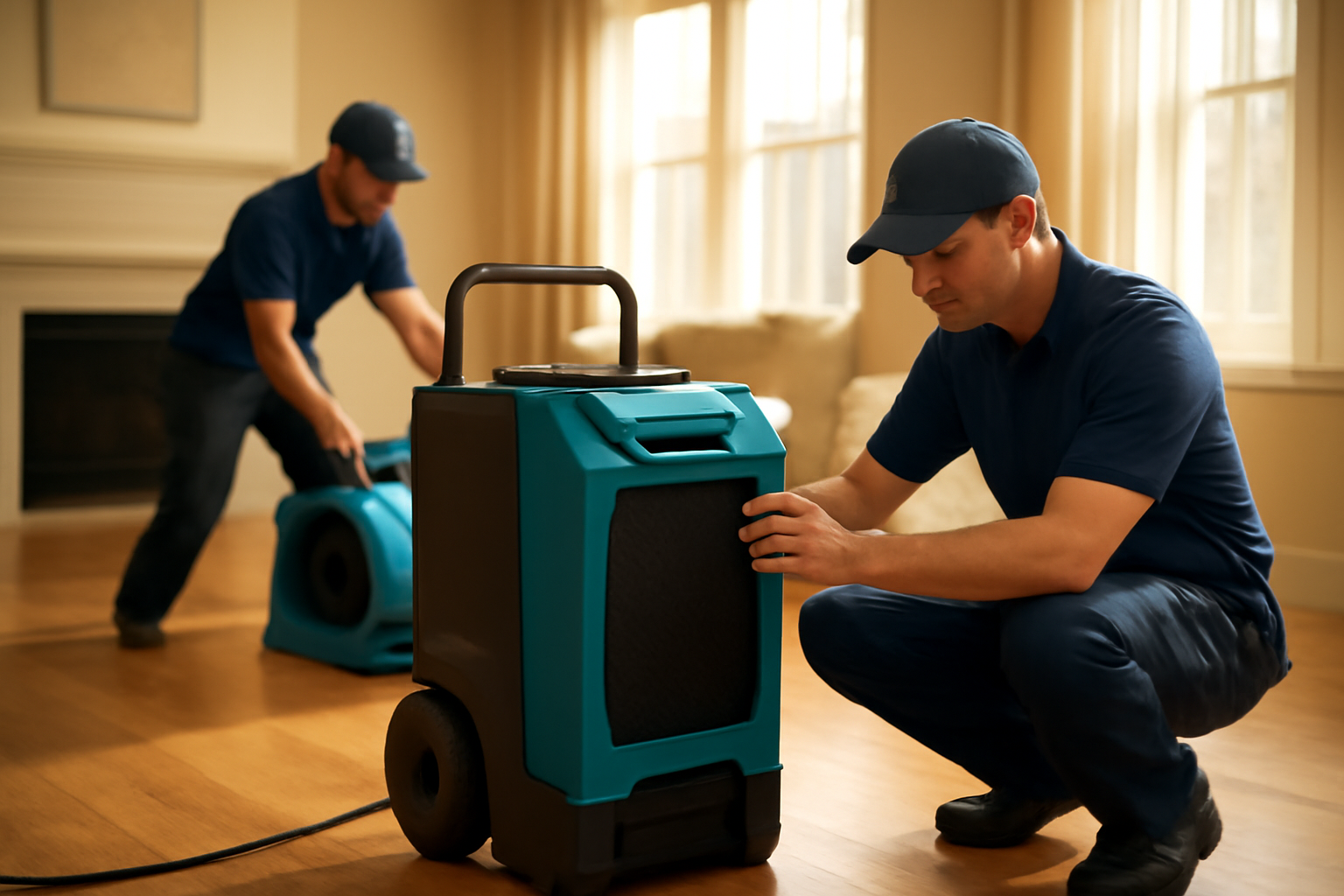
Some situations demand immediate professional intervention. If there’s significant structural damage, extensive flooding, or a risk of mold growth, don’t delay. Professionals have the specialized equipment, like industrial air movers and dehumidifiers, needed for effective restoration. They also understand the complex processes involved in safely restoring your property. Getting this help quickly can prevent serious health risks and further property loss.
The Role of Restoration Experts
Restoration experts are trained to handle all types of storm damage. They can assess the full extent of the problem, even hidden issues. They work to restore your home to its pre-storm condition. This includes water extraction, drying, mold remediation, and structural repairs. They can also help navigate the insurance claims process, ensuring you receive fair compensation.
Conclusion
After a storm, the immediate aftermath can be overwhelming. Remembering to prioritize safety, document damage thoroughly, and contact your insurance are key first steps. For effective and safe restoration, partnering with experienced professionals is essential. Eden Prairie Restoration Pros is a trusted resource for homeowners facing storm damage. We are here to help you navigate the restoration process with expertise and care, ensuring your home is restored to its pre-storm condition as quickly and efficiently as possible. We understand the stress involved and are committed to providing reliable solutions.
What if I can’t reach my insurance company immediately?
If you can’t reach your insurance company right away, focus on safety and immediate mitigation if it’s safe to do so. Document everything thoroughly. Keep detailed records of your attempts to contact the insurer. You may need to follow up multiple times. Professionals can often provide guidance on how to proceed while you wait.
How do I know if my roof needs immediate attention after a storm?
Look for obvious signs like missing shingles, visible holes, or sagging areas. If you notice water stains on your ceiling or walls after rain, that’s a strong indicator of roof leaks. Even without visible leaks, if you suspect damage, it’s best to get a professional inspection. Ignoring potential roof storm damage can lead to bigger problems.
What are the dangers of mold after water damage?
Mold can start to grow within 24-48 hours in damp conditions. Exposure to mold can cause respiratory problems, allergic reactions, and other health issues. It can also spread throughout your home, causing structural damage. Proper and timely drying is essential to prevent mold growth and its associated dangers.
Can I clean up storm damage myself?
For minor, surface-level damage and if it’s safe, you might be able to do some initial cleanup. However, for significant water intrusion, structural damage, or potential mold issues, professional help is strongly recommended. Restoration experts have the tools and knowledge to handle these situations safely and effectively.
How soon should I expect professionals to arrive after calling them?
Reputable restoration companies often offer emergency services and aim to respond as quickly as possible, especially in the aftermath of widespread storm damage. The response time can vary based on the severity of the storm and the number of calls they receive. It’s best to call and ask about their typical emergency response times.