
Trusted by 155+ Homeowners
Where Asbestos Is Found In Older Homes
- Over 157 5-Star Reviews
- Free Estimates and Quotes
- 100% Satisfaction Guaranteed
- Child, Family & Pet Safe Steps
- 24-Hour Emergency Service
- Fully Licensed & Insured
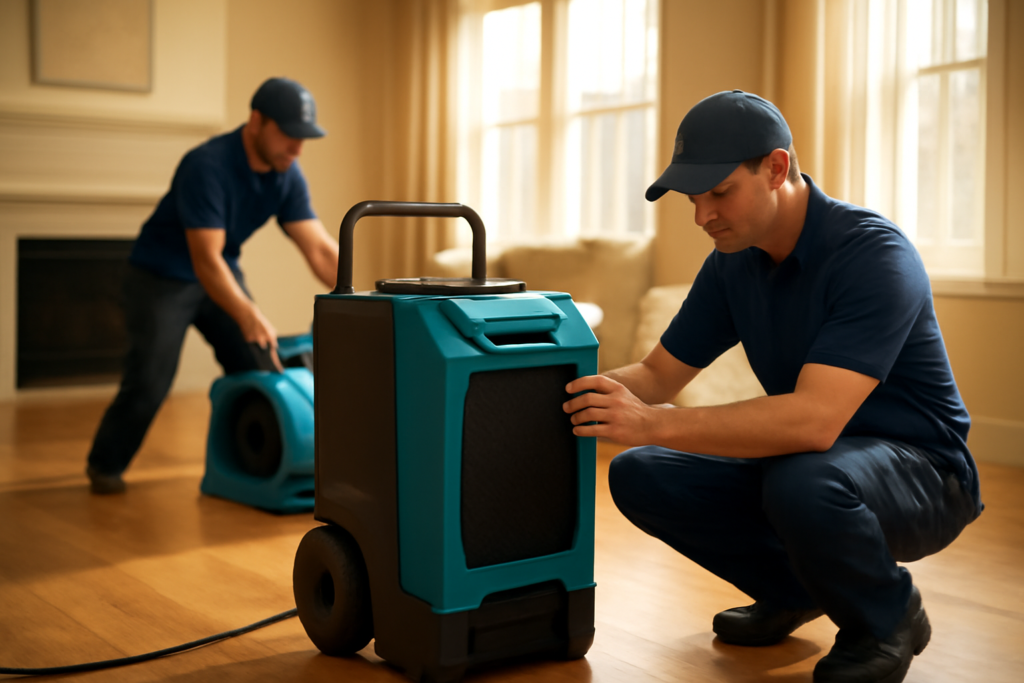
Asbestos is commonly found in older homes, particularly those built before the 1980s. It’s often present in insulation, flooring, and roofing materials.
Identifying asbestos in your home is important for your health and safety, as disturbed asbestos fibers can cause serious health issues.
TL;DR:
- Asbestos was a popular building material for its fire-resistant and insulating properties.
- It’s frequently found in attic and wall insulation, vinyl tiles, old pipe wrap, and textured paints.
- Exposure to asbestos fibers can lead to severe respiratory diseases like asbestosis, lung cancer, and mesothelioma.
- If you suspect asbestos, do not attempt DIY removal; always hire certified professionals.
- Proper containment and removal by experts are essential to prevent health risks.
Where Asbestos Is Found in Older Homes
If you own an older home, you might wonder, “Where is asbestos hiding?” This material was once a hero of construction. It was prized for its strength and heat resistance. Many homes built before the 1980s likely contain asbestos-containing materials (ACMs). Unfortunately, this miracle material poses serious health risks when disturbed.
The Common Culprits: Where Asbestos Hides
Asbestos fibers are microscopic. They can become airborne when materials containing them are damaged or disturbed. This makes them incredibly dangerous. Many common household items could be hiding this hazardous substance. Understanding these locations is your first step toward safety.
Insulation: The Silent Hazard
One of the most common places to find asbestos is in insulation. This includes both attic and wall insulation. Vermiculite insulation, often found in attics, is a frequent offender. It was popular for its ability to fill small spaces. If your home has loose-fill insulation, it’s wise to get it tested. The contamination health risks are significant.
Flooring and Ceiling Materials
Vinyl floor tiles and the mastic (glue) used to adhere them often contain asbestos. Sheet vinyl flooring and some ceiling tiles can also be sources. Textured paints and coatings, like popcorn ceilings, are another area of concern. These materials can release fibers when scraped, sanded, or removed.
Around Pipes and Heating Systems
Asbestos was commonly used to insulate pipes, boilers, and furnaces. You might find it in pipe wrap, insulation blankets, or even in ductwork. This material was excellent for preventing heat loss. However, it also presents a major hazard if it starts to crumble or degrade. The toxic exposure effects can be devastating.
Roofing and Siding Materials
Certain types of roofing shingles and felt contain asbestos. Cement asbestos board (CAB) was also used for siding and exterior trim. These materials are generally safe if intact. However, weathering, damage, or renovation can expose the fibers. This is especially true after storms or during roof repairs.
Why Was Asbestos Used So Much?
Asbestos was a wonder material for many decades. Its properties made it ideal for construction. It’s a natural mineral. It’s also incredibly resistant to heat, fire, and chemicals. Plus, it’s a good insulator. These qualities led to its widespread use in thousands of building products. Understanding its history helps explain why it’s so prevalent in older structures.
The Dangers of Asbestos Exposure
The primary danger of asbestos comes from inhaling its microscopic fibers. When ACMs are damaged, these fibers are released into the air. You can’t see, smell, or taste them. Once inhaled, they can lodge in your lungs. Over time, this can lead to serious, life-threatening diseases. These diseases often have a long latency period, meaning they appear years after exposure.
Asbestosis
This is a chronic lung disease. It causes scarring of the lung tissue. This scarring makes breathing difficult. It can lead to shortness of breath and a persistent cough. Asbestosis can significantly impact your quality of life. It’s a direct result of asbestos fiber inhalation.
Lung Cancer
Asbestos exposure is a known cause of lung cancer. The risk is even higher for individuals who smoke. If you have a history of asbestos exposure, it’s vital to get regular medical check-ups. Early detection can improve outcomes.
Mesothelioma
This is a rare and aggressive cancer. It affects the lining of the lungs, abdomen, or heart. Mesothelioma is almost exclusively caused by asbestos exposure. It is a particularly devastating illness. The prognosis is often poor.
When Should You Be Concerned?
You should be concerned if your home was built before the 1980s. You should also be concerned if you notice any damaged or deteriorating materials that might contain asbestos. This includes crumbling insulation, peeling paint, or damaged flooring. Any renovation or demolition work in an older home also raises concerns. It’s better to be safe than sorry when it comes to potential asbestos exposure. The waterborne illness risk is not the primary concern here, but the general health risks from damaged materials are.
What To Do If You Suspect Asbestos
Discovering potential asbestos can be alarming. The most important thing to remember is: do not disturb the material. Do not try to remove it yourself. DIY asbestos removal is extremely dangerous. It can release a massive amount of fibers into your home. This puts you and your family at serious risk. Instead, you need to take specific steps to ensure safety.
Testing and Identification
The first step is professional testing. Certified asbestos inspectors can take samples of suspect materials. They send these samples to an accredited laboratory. The lab will analyze them to determine if asbestos is present. They will also identify the type of asbestos and its percentage. This is essential for proper planning.
Professional Abatement and Removal
If asbestos is confirmed, professional abatement is necessary. Licensed asbestos abatement professionals have the training and equipment. They know how to safely contain and remove the material. They follow strict regulations to protect workers and building occupants. This process often involves creating containment barriers. They use specialized vacuums and wetting techniques to minimize fiber release. After removal, air quality testing is performed. This ensures the area is safe for re-entry. It’s crucial to call a professional right away if you suspect asbestos.
Preventing Future Issues
Once asbestos has been safely removed, you can take steps to prevent future problems. Ensure any future renovations are planned carefully. Inform contractors about the previous presence of asbestos. Proper maintenance of your home’s materials can also help. Avoiding damage to potential ACMs is key. Even if you have intact ACMs, it’s important to monitor them. Any signs of damage should be addressed by professionals. This helps prevent long-term contamination health risks.
Testing Before Renovation
Before starting any renovation project in an older home, always test for asbestos. This is a critical step. It helps avoid accidental disturbance of hazardous materials. It also allows for proper planning and budgeting for abatement. This is especially important if you are considering major structural changes. Ignoring this step can lead to costly mistakes and health hazards. You might also face fines for improper disposal.
Routine Inspections
Regularly inspect materials that may contain asbestos. Look for any signs of damage, such as cracks, tears, or crumbling. Pay close attention to areas that are frequently disturbed. This includes floors, walls, and around pipes. If you notice any concerning changes, do not wait to get help. Contact a qualified professional immediately.
Conclusion
Living in an older home offers character and charm. However, it also comes with potential hazards like asbestos. Understanding where asbestos is commonly found is vital for your home’s safety. From insulation and flooring to roofing and pipe wrap, ACMs can be hidden in plain sight. If you suspect asbestos in your home, remember that safety is paramount. Do not attempt DIY removal. Always rely on certified asbestos professionals. Eden Prairie Restoration Pros understands the complexities of asbestos. We can guide you through the process of identification and safe remediation, ensuring your home is healthy and safe for your family.
What are the main health risks associated with asbestos?
The primary health risks are serious respiratory diseases. These include asbestosis, which causes lung scarring and breathing difficulties. It also significantly increases the risk of lung cancer and mesothelioma, a rare but aggressive cancer. These conditions develop over many years following exposure.
Can I test for asbestos myself?
It is strongly advised against testing for asbestos yourself. While DIY test kits exist, they are often unreliable. More importantly, disturbing the material to collect a sample can release dangerous fibers. The safest approach is to hire a certified professional inspector to collect and analyze samples.
How do I know if my home has asbestos?
If your home was built before the 1980s, it is likely to contain asbestos-containing materials. The presence of asbestos is not visible to the naked eye. The only way to be certain is through professional testing of suspect materials by accredited labs.
What should I do if I find damaged asbestos material?
If you discover damaged material that you suspect contains asbestos, the most important step is to avoid disturbing it. Do not touch, sweep, or vacuum the area. Seal off the room if possible to prevent the spread of fibers. Then, immediately contact a qualified asbestos abatement professional for assessment and safe removal.
Is asbestos still used in new construction?
The use of asbestos in new construction has been largely banned or heavily restricted in many countries, including the United States. This is due to the well-documented health risks. However, older homes built before these regulations took effect may still contain asbestos-containing materials.

Levi Lemieux is a licensed Damage Restoration Expert with more than 20 years of hands-on experience in disaster recovery and structural mitigation. As a seasoned industry authority, Levi has dedicated two decades to mastering the technical complexities of environmental safety, providing property owners with the reliable expertise and steady leadership required to navigate high-stress property losses with absolute confidence.
𝗖𝗲𝗿𝘁𝗶𝗳𝗶𝗰𝗮𝘁𝗶𝗼𝗻𝘀: Levi holds elite IICRC credentials, including Water Damage Restoration (WRT), Applied Structural Drying (ASD), Mold Remediation (AMRT), Fire and Smoke Restoration (FSRT), and Odor Control (OCT).
𝗙𝗮𝘃𝗼𝗿𝗶𝘁𝗲 𝗣𝗮𝘀𝘁𝗶𝗺𝗲: When off-site, Levi is a passionate mountain biker and an amateur astronomer, hobbies that reflect the endurance and precision he brings to every restoration project.
𝗕𝗲𝘀𝘁 𝗣𝗮𝗿𝘁 𝗼𝗳 𝘁𝗵𝗲 𝗷𝗼𝗯: He finds the most fulfillment in providing a clear path forward for families, turning a site of devastation back into a safe, comfortable home.