
Lightning Damage Restoration: What It Involves
Trusted by 155+ Homeowners
Lightning damage restoration involves assessing and repairing structural and electrical damage caused by a lightning strike.
This process often includes addressing fire damage, water damage, and electrical system repairs to ensure your property is safe and sound.
TL;DR:
- Lightning strikes can cause fires, electrical surges, and structural damage.
- Professional restoration is needed to assess and repair all damage types.
- Key steps include safety assessment, fire damage repair, water damage mitigation, and electrical system restoration.
- Don’t attempt DIY repairs; call professionals for safety and thoroughness.
- Prompt action minimizes further damage and costs.
Lightning Damage Restoration: What It Involves
When lightning strikes your property, it’s more than just a bright flash and loud noise. It can cause immediate and severe damage. Understanding what’s involved in lightning damage restoration is key. This helps you know what to expect and why professional help is so important. Our team is ready to guide you through this stressful event.
Immediate Dangers of a Lightning Strike
A lightning strike can be incredibly destructive. It carries immense electrical energy. This energy can ignite fires instantly. It can also cause significant structural damage. Sometimes, the strike can create concussive forces. These forces can shatter windows or compromise walls. The immediate aftermath requires careful assessment for safety.
Assessing the Damage: The First Crucial Step
The restoration process begins with a thorough inspection. Professionals will look for signs of fire, smoke, and water. They also check for structural integrity. Electrical systems need special attention. This initial assessment is vital for planning repairs. It helps determine the full scope of work needed.
Safety First: Electrical System Check
Lightning can overload your home’s electrical system. Surges can damage appliances and wiring. Even if things seem to work, hidden damage can be a fire hazard. A qualified technician must inspect all electrical components. They ensure your system is safe for use. This prevents future electrical fires.
Fire Damage: A Common Consequence
Lightning is a leading cause of property fires. The intense heat can ignite insulation, roofing, or interior materials. Fire damage requires specialized cleanup. This includes removing soot and smoke odors. Repairing charred structures is also essential. We work to restore your home from fire’s aftermath.
Water Damage Mitigation After a Strike
While not always obvious, water damage can occur. Fires often require extensive use of water for suppression. This can lead to flooding. Damaged roofs or windows from the strike can also let in rain. Addressing this water is critical to prevent mold growth. We understand how long it takes to dry out a flooded room. It requires immediate attention to avoid further issues.
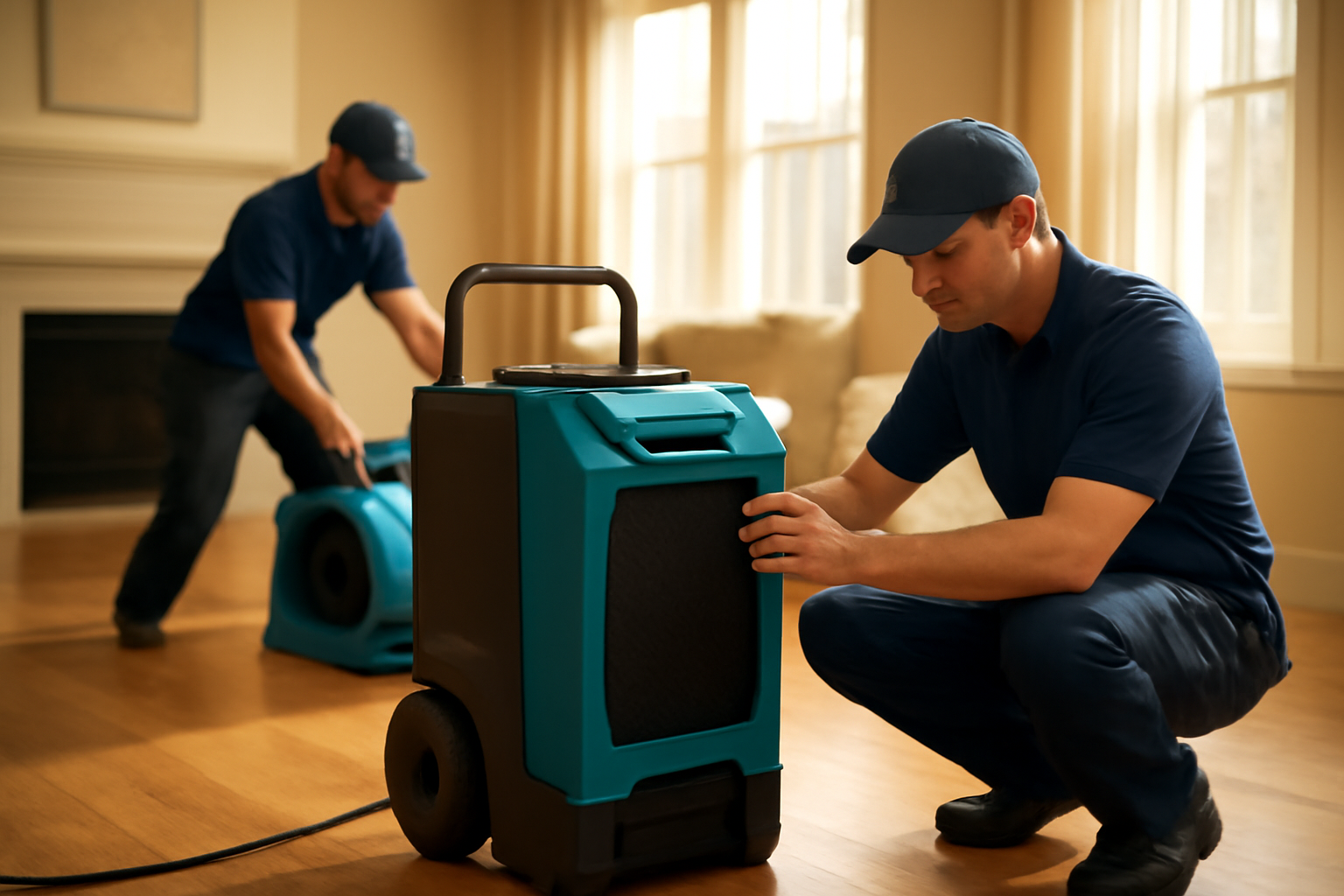
Effectively drying your property is a science. Professionals use specialized equipment. They aim to remove all moisture. This prevents long-term problems like mold. Understanding how pros dry out a flooded home step by step shows the complexity. It involves careful monitoring and precise techniques.
Structural Repairs: Rebuilding What Was Lost
Lightning can cause physical damage to your home’s structure. This might include cracked walls or damaged roofing. Sometimes, the impact can weaken beams or supports. Restoration teams will assess this damage. They will perform necessary repairs. This ensures your home is structurally sound again. It’s important to address structural weaknesses promptly.
When dealing with significant water intrusion, the cleanup process is extensive. Experts follow specific protocols. This ensures all contaminated materials are removed safely. They also properly dry and sanitize affected areas. Learning about flood damage cleanup: what happens step by step is informative. It highlights the thoroughness required.
Soot and Smoke Odor Removal
Even small fires leave behind soot and stubborn odors. These can permeate your home’s surfaces. They can be difficult to remove completely. Professional restoration services use advanced techniques. They neutralize odors and clean soot. This makes your home smell and feel fresh again. Getting rid of smoke odors is vital.
Content Restoration: Saving Your Belongings
Beyond the structure, your personal belongings can also be affected. Smoke, water, or fire can damage furniture, electronics, and documents. Restoration specialists can often clean and restore these items. This can save you money compared to replacement. Restoring sentimental items is a priority.
The Cost of Lightning Damage Restoration
The cost of restoration varies greatly. It depends on the extent of the damage. Factors include the size of your property. The type of materials damaged also plays a role. Insurance coverage is often a key consideration. Understanding how much does flood damage cleanup cost can give you a general idea. However, lightning damage has unique aspects.
Insurance Claims and Restoration
Dealing with insurance companies can be challenging. A professional restoration company can help. They document the damage thoroughly. They can assist in navigating the claims process. This ensures you receive fair compensation for repairs. Working with your insurance adjuster is key.
When DIY Isn’t an Option
Some minor home repairs might seem DIY-friendly. However, lightning damage is rarely minor. The risks involved are too high. Electrical hazards and structural instability require expert knowledge. Attempting repairs yourself can be dangerous. It can also void your insurance policy. Knowing when pros are needed is crucial for safety and effectiveness.
Here is a quick checklist for immediate actions:
- Ensure your family is safe and away from the damaged area.
- Contact emergency services if there is an active fire.
- Do not touch any downed power lines or damaged electrical equipment.
- Call a qualified restoration company as soon as possible.
- Document the damage with photos or videos if it is safe to do so.
- Avoid using any affected utilities until inspected.
Choosing the Right Restoration Professionals
Selecting the right restoration team is important. Look for experienced professionals. They should be certified and insured. A good company will offer a clear plan. They should communicate openly throughout the process. Getting expert advice today can make a huge difference.
Conclusion
Lightning damage restoration is a complex process. It demands expertise in fire, water, and electrical repairs. Acting quickly is essential to mitigate further damage and costs. While the event is stressful, professional help ensures your property is restored safely and effectively. For trusted lightning damage restoration services in your area, Eden Prairie Restoration Pros is a resource you can count on. We are committed to helping you recover.
What are the main types of damage caused by lightning?
The primary types of damage are fire, structural compromise, and electrical system surges. Fires can start instantly from the heat and electrical energy. Structural damage can occur from the force of the strike or subsequent fires. Electrical surges can damage wiring and appliances throughout the home.
How quickly should I address lightning damage?
You should address lightning damage immediately. The longer you wait, the more secondary damage can occur. Water can spread, mold can grow, and electrical issues can worsen. Prompt action is key to minimizing losses and ensuring safety.
Can lightning damage affect my home’s foundation?
Yes, it is possible. While less common than fire or electrical damage, a powerful strike can cause concussive forces. These forces could potentially affect the structural integrity of your foundation or basement walls. A thorough inspection will reveal any such issues.
Is lightning damage covered by homeowner’s insurance?
Generally, yes. Most standard homeowner’s insurance policies cover lightning damage. This includes damage from fire, smoke, and electrical surges caused by lightning. It’s always best to review your specific policy details. You should also contact your insurance agent to confirm coverage.
What should I NOT do after a lightning strike?
Do not attempt to inspect or repair electrical systems yourself. Avoid touching any exposed wiring or damaged outlets. Do not use appliances that may have been affected by a surge. Most importantly, do not delay in calling for professional help. Do not wait to get help from qualified restoration experts.