
Trusted by 155+ Homeowners
Apartment Fire Damage: Tenant And Landlord Roles
- Over 157 5-Star Reviews
- Free Estimates and Quotes
- 100% Satisfaction Guaranteed
- Child, Family & Pet Safe Steps
- 24-Hour Emergency Service
- Fully Licensed & Insured
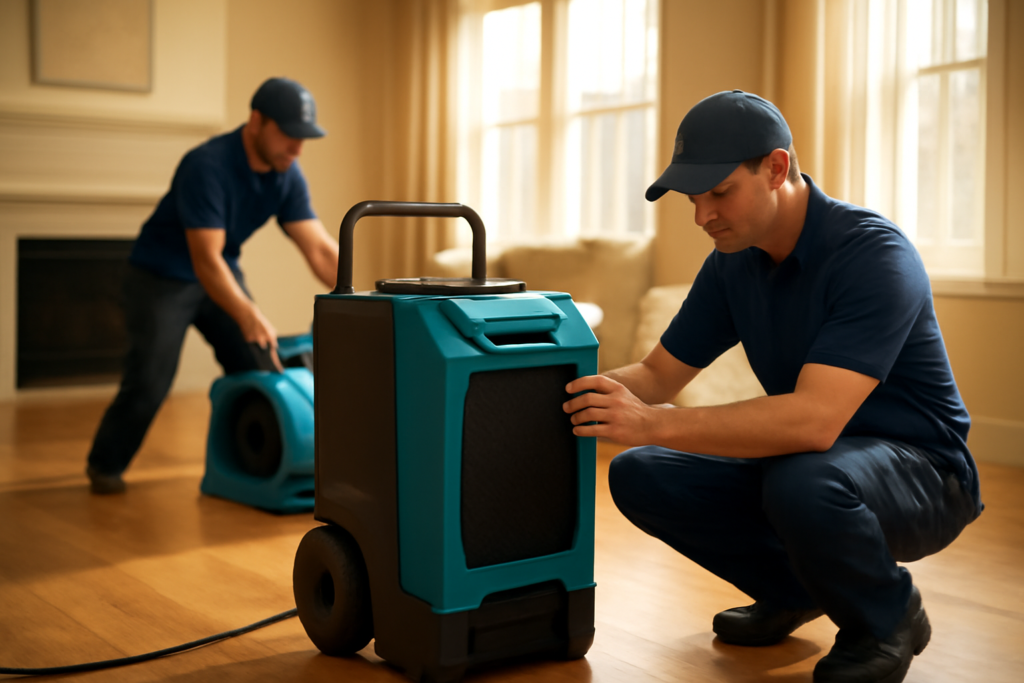
Understanding your roles after an apartment fire is key to a smooth recovery. Tenants and landlords share responsibilities for safety and restoration.
Knowing who does what can ease the stress of apartment fire damage, ensuring everyone’s needs are met efficiently.
TL;DR:
- Tenants should prioritize safety, report damage, and document everything.
- Landlords must ensure habitability and coordinate major repairs.
- Both parties need to understand their insurance responsibilities.
- Prompt communication is vital for a faster recovery process.
- Professional restoration services are often necessary for thorough cleanup.
Apartment Fire Damage: Tenant and Landlord Roles
When fire strikes an apartment building, confusion often follows. It’s natural to feel overwhelmed. But understanding your specific responsibilities as either a tenant or a landlord can make a big difference. This guide breaks down who does what, helping you navigate the aftermath of apartment fire damage.
Immediate Steps for Tenants
Your safety is the absolute top priority. If a fire occurs, your first action should be to evacuate immediately. Follow all building safety plans. Once it’s safe, contact your landlord or building management right away. Report the fire and any damage you observe. Do not attempt to re-enter the unit until authorities deem it safe.
Tenant Responsibilities After a Fire
Beyond immediate safety, tenants have a few key duties. You need to report the damage promptly to your landlord. This helps them assess the situation and begin the restoration process. Keep a detailed record of all communications with your landlord and any insurance adjusters. This includes dates, times, and what was discussed. Document any personal property that was damaged or destroyed. Take photos or videos if possible.
Understanding Tenant Rights
As a tenant, you have rights after a fire. Your landlord generally has the responsibility to ensure the property is habitable. If the fire makes your unit or the building unsafe to live in, your landlord may need to provide alternative housing. Researching your specific tenant rights post-fire is a good idea. This ensures you know what to expect and what assistance you are entitled to.
Landlord’s Role in Fire Damage Restoration
Landlords are responsible for the structural integrity and overall safety of the rental property. After a fire, their primary role is to address the damage to the building itself. This includes structural repairs, smoke and soot removal from common areas, and ensuring the property meets safety codes. They often coordinate with fire departments and insurance companies for the building’s structure. Landlord obligations extend to making the property habitable again.
Communication is Key for Landlords
Effective communication is vital for landlords. You need to inform your tenants about the extent of the damage and the expected timeline for repairs. Keeping residents updated helps manage expectations and reduces anxiety. Be transparent about the steps being taken. This builds trust during a difficult time.
Insurance and Financial Responsibilities
Both tenants and landlords typically have insurance policies. Landlords usually have a policy that covers the building structure and common areas. Tenants typically have renter’s insurance, which covers their personal belongings and may offer loss of use coverage if they can’t live in their unit. It’s important to understand the coverage limits and deductibles for both policies. Contact your insurance provider immediately after the fire.
Navigating Insurance Claims
Filing an insurance claim can be complex. Landlords will file claims for building damage. Tenants will file claims for their personal property. Be prepared to provide detailed documentation for both. This includes inventories of damaged items and repair estimates. Understanding the claims process can help ensure you receive the compensation you need for repairs and replacements.
The Importance of Professional Restoration
Fire damage is more than just visible char. Smoke and soot can permeate materials, causing long-term damage and health issues. Water used to extinguish the fire can also lead to mold and structural problems. This is where professional restoration services come in. They have the expertise and equipment to handle the complex cleanup. Ignoring the full extent of the damage can lead to serious health risks.
Why Professional Cleanup Matters
DIY approaches often fall short when dealing with fire damage. For instance, trying to clean smoke residue yourself might spread it further. Water damage from firefighting efforts can also be tricky. Many experts recommend against why DIY water damage cleanup often backfires. Professional restoration companies can properly clean, deodorize, and dry affected areas. They can also identify hidden damage, such as mold growth, which can occur quickly.
Common Fire Hazards in Apartments
Many apartment fires start from common household issues. Faulty wiring, unattended cooking, and heating equipment malfunctions are frequent culprits. Even something as seemingly harmless as a dryer can pose a risk. We found that dryer vent fires: a surprisingly common hazard can often be prevented with regular maintenance. Understanding these risks can help prevent future incidents.
Hidden Dangers: Toxic Chemicals
When materials burn, they release harmful substances. Many common household items contain chemicals that become toxic when burned. Research shows that toxic chemicals released by house fires can linger in the air and on surfaces long after the flames are out. This poses significant health risks, especially for those with respiratory conditions. Proper ventilation and professional cleaning are essential to mitigate these dangers.
Restoration Process Overview
The restoration process typically involves several stages. First, a thorough assessment of the damage is conducted. Then, safety measures are put in place. This is followed by cleaning and deodorizing. Structural repairs are made, and finally, the property is rebuilt and restored. Following these fire restoration steps meticulously ensures a safe and complete recovery.
Tenant and Landlord Collaboration
For a successful restoration, tenants and landlords must work together. Open communication and a willingness to cooperate are crucial. If the damage is extensive, landlords will likely need to coordinate with specialized restoration companies. Tenants should cooperate with these professionals during the cleanup and repair phases. This collaborative approach speeds up the process.
When to Call Professionals
If your apartment has experienced fire damage, it’s almost always best to call a professional restoration company. They can assess the damage accurately and provide a detailed plan for recovery. They have the specialized equipment and training to handle smoke, soot, and water damage effectively. Do not wait to get help; the longer you wait, the more extensive the damage can become.
Choosing the Right Restoration Service
When selecting a restoration company, look for experienced professionals. Companies with certifications in fire and water damage restoration are a good choice. Ask for references and check reviews. A reputable company will guide you through the entire process, from initial assessment to final reconstruction. Getting expert advice today can save you a lot of trouble down the road.
Conclusion
Apartment fire damage is a challenging situation for everyone involved. By understanding the distinct roles and responsibilities of both tenants and landlords, the recovery process can be managed more effectively. Prioritizing safety, clear communication, and timely action are vital. For expert guidance and services in navigating the complexities of fire damage restoration, Eden Prairie Restoration Pros is a trusted resource ready to assist you in restoring your property and peace of mind.
What should a tenant do if their apartment is uninhabitable after a fire?
If your apartment is declared uninhabitable, your landlord typically has the obligation to provide you with temporary housing or assist in finding it. Your renter’s insurance policy may also cover temporary living expenses. Communicate with your landlord and insurance company to understand your options for relocation.
Who is responsible for repairing fire damage to the building structure?
Generally, the landlord is responsible for repairing damage to the building’s structure and common areas. Their insurance policy usually covers these extensive repairs. Tenants are responsible for their personal belongings and any damage they may have caused.
How quickly should a tenant report fire damage to their landlord?
Tenants should report fire damage to their landlord as soon as it is safe to do so. Prompt reporting allows the landlord to assess the situation quickly and begin the necessary restoration processes. This also helps in documenting the damage for insurance purposes.
Can a tenant be held responsible for fire damage caused by faulty building wiring?
Typically, no. If the fire was caused by faulty building wiring or other structural issues beyond the tenant’s control, the tenant is usually not held responsible for the repairs to the building. The landlord’s insurance should cover such incidents.
What is the role of smoke and soot cleanup in fire restoration?
Smoke and soot cleanup is a critical part of fire restoration. Smoke particles are acidic and can cause corrosion and staining. Soot can be oily and difficult to remove. Professional restoration services use specialized techniques and equipment to thoroughly clean all affected surfaces and remove lingering odors, preventing long-term damage and health issues.

Levi Lemieux is a licensed Damage Restoration Expert with more than 20 years of hands-on experience in disaster recovery and structural mitigation. As a seasoned industry authority, Levi has dedicated two decades to mastering the technical complexities of environmental safety, providing property owners with the reliable expertise and steady leadership required to navigate high-stress property losses with absolute confidence.
𝗖𝗲𝗿𝘁𝗶𝗳𝗶𝗰𝗮𝘁𝗶𝗼𝗻𝘀: Levi holds elite IICRC credentials, including Water Damage Restoration (WRT), Applied Structural Drying (ASD), Mold Remediation (AMRT), Fire and Smoke Restoration (FSRT), and Odor Control (OCT).
𝗙𝗮𝘃𝗼𝗿𝗶𝘁𝗲 𝗣𝗮𝘀𝘁𝗶𝗺𝗲: When off-site, Levi is a passionate mountain biker and an amateur astronomer, hobbies that reflect the endurance and precision he brings to every restoration project.
𝗕𝗲𝘀𝘁 𝗣𝗮𝗿𝘁 𝗼𝗳 𝘁𝗵𝗲 𝗷𝗼𝗯: He finds the most fulfillment in providing a clear path forward for families, turning a site of devastation back into a safe, comfortable home.