How Hurricanes Cause Multiple Types Of Home Damage
Trusted by 155+ Homeowners
Hurricanes unleash a barrage of destructive forces. They can cause multiple types of home damage.
Understanding these threats is key to protecting your property and loved ones.
TL;DR:
- Hurricanes bring high winds, heavy rain, and storm surge, leading to varied home damage.
- Wind damage can rip off roofs and shatter windows, causing structural issues.
- Flood damage from rain and surge saturates homes, creating mold and rot.
- Wind-driven rain can infiltrate even sealed structures, causing hidden water damage.
- Power outages and debris pose secondary risks like fires and injuries.
How Hurricanes Cause Multiple Types of Home Damage
When a hurricane approaches, your mind races. You worry about your family’s safety. You also think about your home. Hurricanes are not just one threat; they are a combination of destructive elements. These elements combine to create a perfect storm of potential damage. We found that understanding each type of damage helps you prepare better. It also helps you know what to expect afterward.
The Power of Wind: More Than Just a Breeze
Hurricane-force winds are incredibly powerful. They can exceed 100 miles per hour. These winds can easily tear shingles off your roof. They can rip entire sections of roofing material away. This leaves your home exposed to the elements. Think of it like peeling an orange. The wind strips away the protective outer layer.
Roof Storm Damage
Damage to your roof is a major concern. A compromised roof means water can get in. It also means structural integrity can be lost. We found that even minor wind damage needs attention. A storm roof inspection is often the first step after a storm passes. This helps identify weak spots before they become bigger problems.
Window and Door Breaches
High winds can turn loose objects into projectiles. Flying debris can shatter windows and doors. This creates an immediate entry point for wind and rain. It also poses a significant safety hazard. Broken glass is dangerous. You need to secure these openings as soon as it’s safe.
The Deluge: Floodwaters and Heavy Rain
Hurricanes are notorious for their torrential rainfall. This can lead to widespread flooding. Storm surge, the abnormal rise of water generated by a storm, is another major flood source. Coastal homes are especially vulnerable to this. Even inland areas can experience severe flooding from rivers and drainage systems.
Understanding Water Intrusion Risks
Floodwaters can rise rapidly. They can inundate your home in a matter of hours. This type of water intrusion is devastating. It saturates everything it touches. The damage goes beyond visible water lines. Interior water damage can spread quickly. It can lead to mold growth if not addressed promptly. Many experts say that prompt drying is essential.
Flood Damage to Foundations and Structures
Floodwaters can exert immense pressure on your home’s foundation. This can cause cracks or even structural failure. The constant moisture can also weaken building materials over time. It’s a slow, insidious process that can compromise your home’s stability. We found that foundation damage is often costly to repair.
Wind-Driven Rain: The Sneaky Threat
Even if your roof and windows remain intact, hurricanes can still cause water damage. Wind-driven rain is rain that is blown horizontally or at an angle by strong winds. It can be forced into small gaps and cracks. This can happen in seemingly minor places. Areas like around window frames or under siding are susceptible.
Hidden Water Damage
This type of water intrusion can be very difficult to detect. It can seep into walls and insulation. It can go unnoticed for days or weeks. This allows mold and mildew to develop. These can pose serious health risks. Addressing even small signs of interior water damage is important.
Secondary Hazards: Beyond Wind and Water
Hurricanes bring other dangers too. Power outages are common. This can last for days or even weeks. This impacts your ability to manage your home. It also affects communication. Fallen trees and scattered debris are also major hazards. They can cause further property damage and injuries.
Electrical Hazards and Fires
Downed power lines are extremely dangerous. Damaged electrical systems inside your home can also spark fires. This is a risk during and after the storm. Always exercise extreme caution around electricity.
Debris and Contamination
The wind can pick up and hurl debris. This can include tree branches, signs, and even parts of other buildings. This flying debris can cause significant damage. Floodwaters can also become contaminated. They can carry sewage, chemicals, and other hazardous materials. This contamination poses health risks.
The Aftermath: What to Do Next
Once the storm has passed and it is safe to go outside, assess the damage. Take photos and videos for insurance purposes. Document everything. Prioritize safety. Avoid walking through floodwaters. Be aware of downed power lines. If your home has experienced significant water damage, you need to act fast. Water intrusion risks are high when dealing with hurricane aftermath.
Immediate Steps for Safety
If you suspect structural damage, stay out of the affected areas. If there are any signs of gas leaks, leave immediately. Turn off the main water supply if pipes have burst. Ensure your family is in a safe location. Roof storm damage can lead to further issues if not addressed.
When to Call Professionals
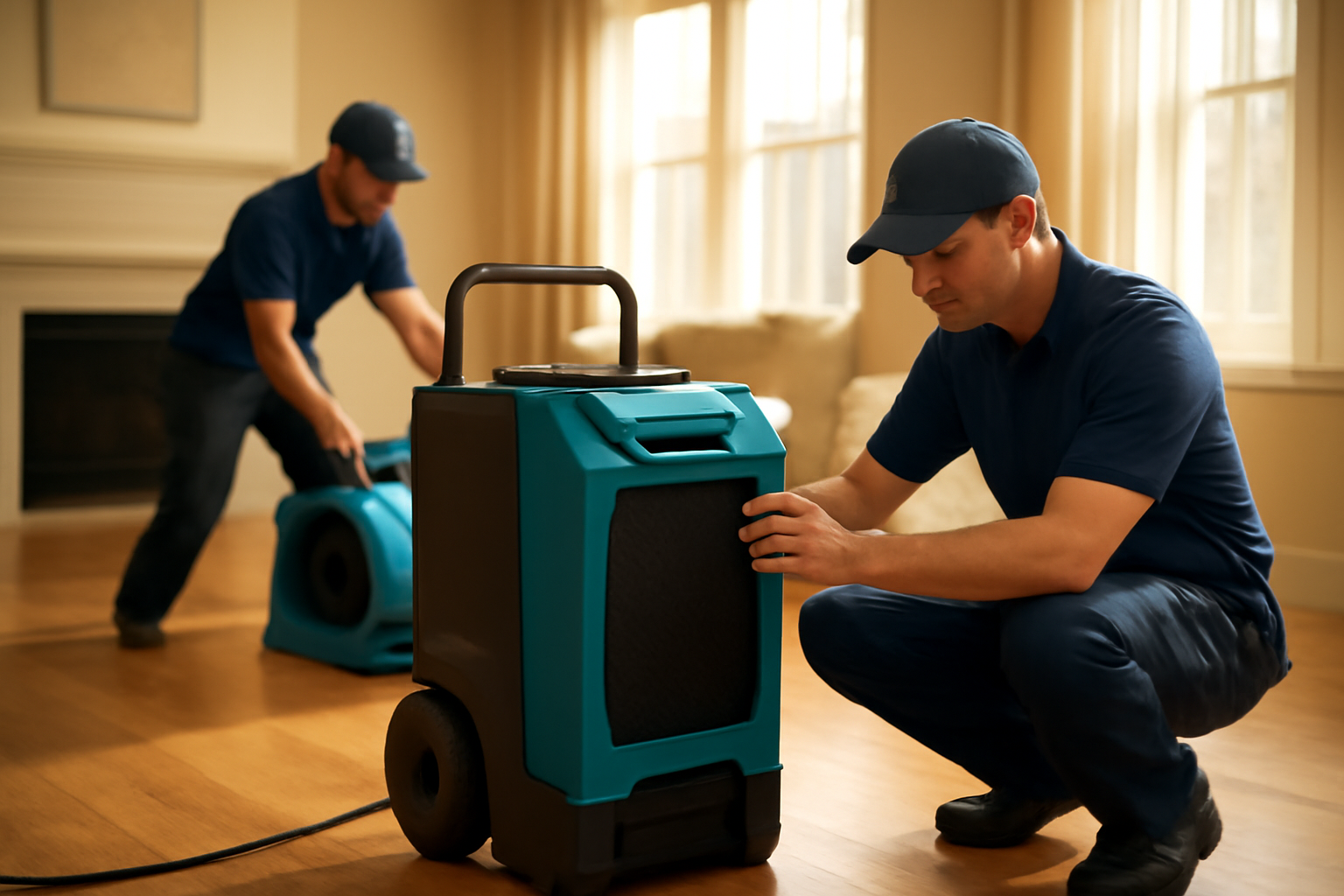
Dealing with hurricane damage can be overwhelming. For water damage, mold remediation, or structural repairs, it’s best to call a professional. They have the expertise and equipment to handle the situation safely and effectively. Do not wait to get help.
Preparing Your Home: A Smart Move
The best defense against hurricane damage is preparation. Secure outdoor items. Trim trees. Consider installing storm shutters. Ensure your home’s drainage systems are clear. Regular maintenance can prevent many issues.
Key Preparation Checklist
- Secure all outdoor furniture and decorations.
- Trim tree branches that could fall on your home.
- Test your sump pump and ensure it has battery backup.
- Have a plan for boarding up windows and doors.
- Check your roof for any loose or damaged shingles.
- Stock up on essential emergency supplies.
Conclusion
Hurricanes are powerful natural events that can cause a wide range of damage to your home. From wind-driven destruction to widespread flooding, the threats are numerous. Understanding these potential issues is the first step in protecting your property. After a storm, prompt and professional assessment is vital. For homeowners in need of expert assistance with water damage, mold, or storm-related repairs, Eden Prairie Restoration Pros is a trusted resource. We found that quick action can save a lot of trouble.
What are the main types of hurricane damage?
The main types of hurricane damage are wind damage, flooding from storm surge and heavy rain, and damage from flying debris. Wind can tear off roofs and siding, while water can cause severe structural issues and mold growth. Debris poses a risk of impact damage and injury.
How does wind cause damage during a hurricane?
Hurricane-force winds exert immense pressure on structures. They can lift roofs, break windows, and tear off siding. Even moderate winds can turn small objects into dangerous projectiles. We found that sustained high winds are particularly destructive to building envelopes.
What is storm surge and how does it damage homes?
Storm surge is an abnormal rise of sea water generated by a storm. It is a wall of water that can inundate coastal areas. This surge can cause catastrophic flooding, undermining foundations, destroying structures, and leaving behind significant water and debris damage.
Can wind-driven rain cause damage even if windows and doors are intact?
Yes, absolutely. Wind-driven rain can be forced into tiny gaps and openings. This includes areas around window frames, under siding, and through vents. This can lead to hidden water damage within walls and insulation, promoting mold growth.
What are the most important safety precautions after a hurricane?
The most important safety precautions include avoiding downed power lines, staying away from floodwaters due to potential contamination and hidden hazards, being cautious of structural instability, and ensuring your home is safe before re-entering. Call a professional right away if you see any issues.