
Does Storm Damage Have To Be Repaired Right Away?
Trusted by 155+ Homeowners
Storm damage often requires immediate attention. You should repair storm damage right away to prevent further issues.
Delaying repairs can lead to more extensive damage, higher costs, and potential safety hazards.
TL;DR:
- Addressing storm damage promptly is crucial for preventing secondary issues.
- Minor damage can escalate quickly if left untreated.
- Water damage can lead to mold and structural problems.
- Professional restoration ensures proper and safe repairs.
- Acting fast saves money and protects your property’s value.
Does Storm Damage Have to Be Repaired Right Away?
When a storm hits your home, the damage might seem minor at first glance. You might wonder if you can put off repairs. The short answer is no, you really shouldn’t. Storm damage often needs to be repaired right away. Waiting can turn a small problem into a much bigger, more expensive headache. Think of it like a small cut; if you don’t clean it, it can get infected. Your home works the same way.
The Immediate Impact of Storms
Storms can bring high winds, heavy rain, hail, and even lightning. Each of these can cause direct damage. A tree branch might punch a hole in your roof. Strong winds can tear off shingles or damage siding. Heavy rain can find its way into your home through tiny openings. Even hail can dent your roof and gutters. These issues create immediate entry points for water and pests. Ignoring these entry points is a big mistake.
Wind Damage: More Than Just Messy
Wind damage isn’t just about debris scattered across your yard. Powerful winds can lift shingles, creating gaps. They can also loosen siding, allowing wind and rain to get behind it. This can compromise your home’s structural integrity. Wind damage can weaken your home’s defenses. It’s important to inspect your property for any signs of this kind of damage.
Hail Damage: The Silent Threat
Hail can be sneaky. Large hailstones can cause visible dents on roofs and vehicles. But smaller hailstones can chip away at shingles over time. This makes them less effective at protecting your home. Hail damage can compromise your roof’s lifespan. You might not see the full extent of it until much later.
Water Intrusion Risks: A Cascade of Problems
Water is a home’s worst enemy when it comes to damage. Once water gets inside, it doesn’t just sit there. It spreads, seeps into materials, and creates a breeding ground for mold. This is why understanding water intrusion risks is so important. The longer water sits, the more damage it causes.
The Danger of Standing Water
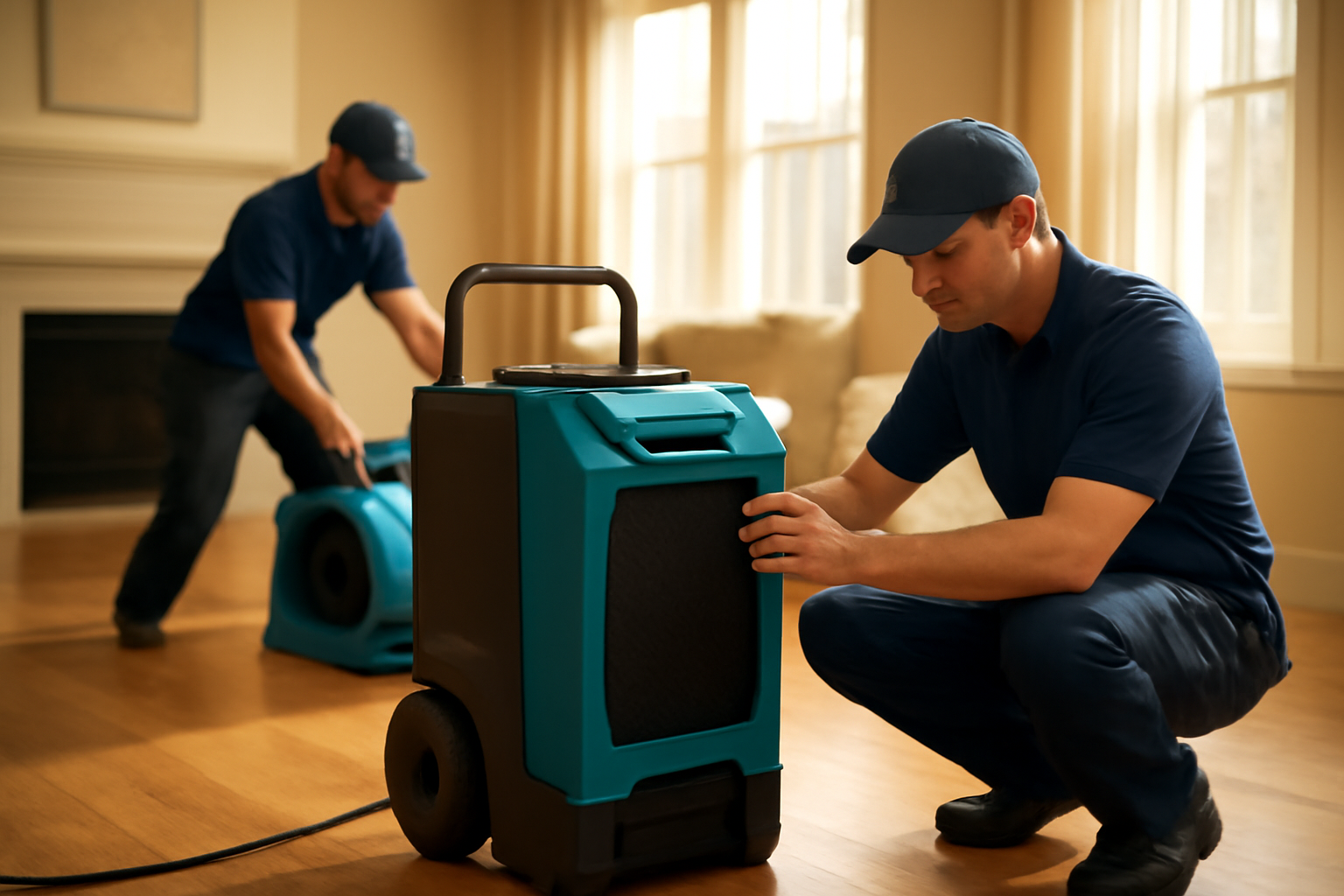
If you have standing water from heavy rain or a burst pipe, it’s a serious situation. This water can saturate your carpets, subflooring, and even drywall. It can also damage your foundation. Dealing with interior water damage requires immediate and thorough drying. This is not a task for a few fans and some towels. Professionals have specialized equipment to remove water quickly.
Mold: A Serious Health Concern
Mold growth is a common and dangerous consequence of water damage. It can start to grow within 24-48 hours after water exposure. Mold spores can cause respiratory problems, allergies, and other health issues. Mold can pose serious health risks to your family. This is a primary reason to address water damage promptly. You want to prevent mold from ever taking hold.
Structural Integrity: The Foundation of Your Home
Storms can compromise the very structure of your home. High winds can weaken walls and foundations. Water damage can lead to rot in wooden beams and supports. Ignoring these issues can lead to more severe structural problems down the line. Your home’s safety depends on its structure.
Roof and Wall Weaknesses
Missing shingles or damaged siding aren’t just cosmetic. They create weak points that can lead to leaks. These leaks can go unnoticed for a while, but they are steadily damaging the materials beneath. This can lead to rot and mold within your walls. Act before it gets worse by addressing these breaches immediately.
Foundation Concerns
Severe storms can sometimes cause foundation damage. If water pools around your foundation, it can exert pressure. This pressure can lead to cracks or shifting. Foundation issues are among the most serious and expensive repairs a homeowner can face. Get expert advice today if you suspect any foundation problems.
The Cost of Waiting: Why It’s More Expensive Later
Many people delay repairs to save money. However, this often backfires. What might have been a minor repair initially can become a major renovation if left untreated. The costs associated with extensive water damage or structural compromise far outweigh the cost of early intervention. Do not wait to get help if you notice storm damage.
Escalating Repair Bills
A small roof leak can lead to damaged drywall, insulation, and even electrical wiring if ignored. A small water stain on your ceiling can indicate a much larger problem within your walls. The longer you wait, the more materials get damaged and the more labor is required to fix it. Understanding how much does flood damage cleanup cost can be daunting, but early action usually makes it less.
Diminished Property Value
Visible damage, or even the lingering effects of water damage and mold, can significantly reduce your home’s market value. Potential buyers will be deterred by signs of neglect or past major issues. Protect your investment by keeping your home in good repair.
When to Call the Professionals
While some minor cosmetic issues might be addressed with a DIY approach, most storm damage requires professional attention. Restorations companies have the expertise, tools, and insurance to handle the job safely and effectively. They can assess the full extent of the damage, not just what’s visible. Call a professional right away for significant damage.
Assessing the Damage Accurately
Professionals can identify hidden damage that you might miss. They know where to look for water intrusion and structural weaknesses. They can also determine the best course of action for repairs. This is especially true after events like flooding, where the full scope of flood damage cleanup needs careful evaluation.
DIY Limitations
Some homeowners might consider tackling repairs themselves. However, there are distinct DIY limitations, especially when dealing with water, mold, or structural issues. Improper repairs can lead to further damage or safety hazards. For most storm-related issues, it’s best to trust the experts.
Your Checklist for Storm Damage Response
After a storm, it’s good to have a plan. Here’s a quick checklist to help you respond effectively:
- Assess the visible damage from a safe distance.
- Document any damage with photos or videos for insurance purposes.
- Check for any immediate safety hazards like downed power lines or structural instability.
- Contact your insurance company to report the damage.
- Call a reputable restoration company for a professional assessment and repairs.
- Avoid attempting complex repairs yourself unless you have the necessary skills and tools.
Conclusion
Storm damage is rarely a minor inconvenience. It’s a serious issue that can escalate quickly, leading to significant financial loss, health risks, and structural problems. The best approach is always to address storm damage immediately. Don’t let a small problem grow into a disaster. If your home has suffered storm damage, Eden Prairie Restoration Pros is a trusted resource ready to help you navigate the restoration process. We understand the urgency and the need for expert care.
What if I only see minor damage after a storm?
Even minor visible damage can be a sign of deeper issues. For example, a few missing shingles could lead to water seeping into your attic. It’s always wise to have a professional inspect the property to ensure there are no hidden problems. Schedule a free inspection to be sure.
How quickly can mold start to grow after water damage?
Mold can begin to grow in as little as 24 to 48 hours after water exposure. This is why rapid drying and cleanup are essential to prevent mold from becoming a problem. Act fast to prevent mold.
Can I wait a week to get storm damage repaired?
Waiting a week is generally not recommended, especially if water intrusion is involved. The longer water sits in your home, the more damage it causes. This includes structural damage and the risk of mold growth. Do not wait to get help.
What kind of professionals should I contact for storm damage?
For most storm damage, you should contact a professional restoration company. They have the specialized equipment and expertise to handle water damage, mold remediation, and structural repairs. Your insurance company can often recommend qualified professionals.
Will my insurance cover storm damage repairs?
Typically, standard homeowners insurance policies cover damage caused by storms, such as wind, hail, and lightning. However, coverage details can vary. It’s important to review your policy and contact your insurance provider promptly to understand your coverage and begin the claims process.