What Is Structural Drying And How Long Does It Take?
Trusted by 155+ Homeowners
Structural drying is the specialized process of removing moisture from building materials after water damage.
It goes beyond simply mopping up visible water, aiming to dry the hidden moisture within walls, floors, and ceilings to prevent further damage and mold growth.
TL;DR:
- Structural drying removes hidden moisture from building materials after water damage.
- It prevents mold, rot, and further structural weakening.
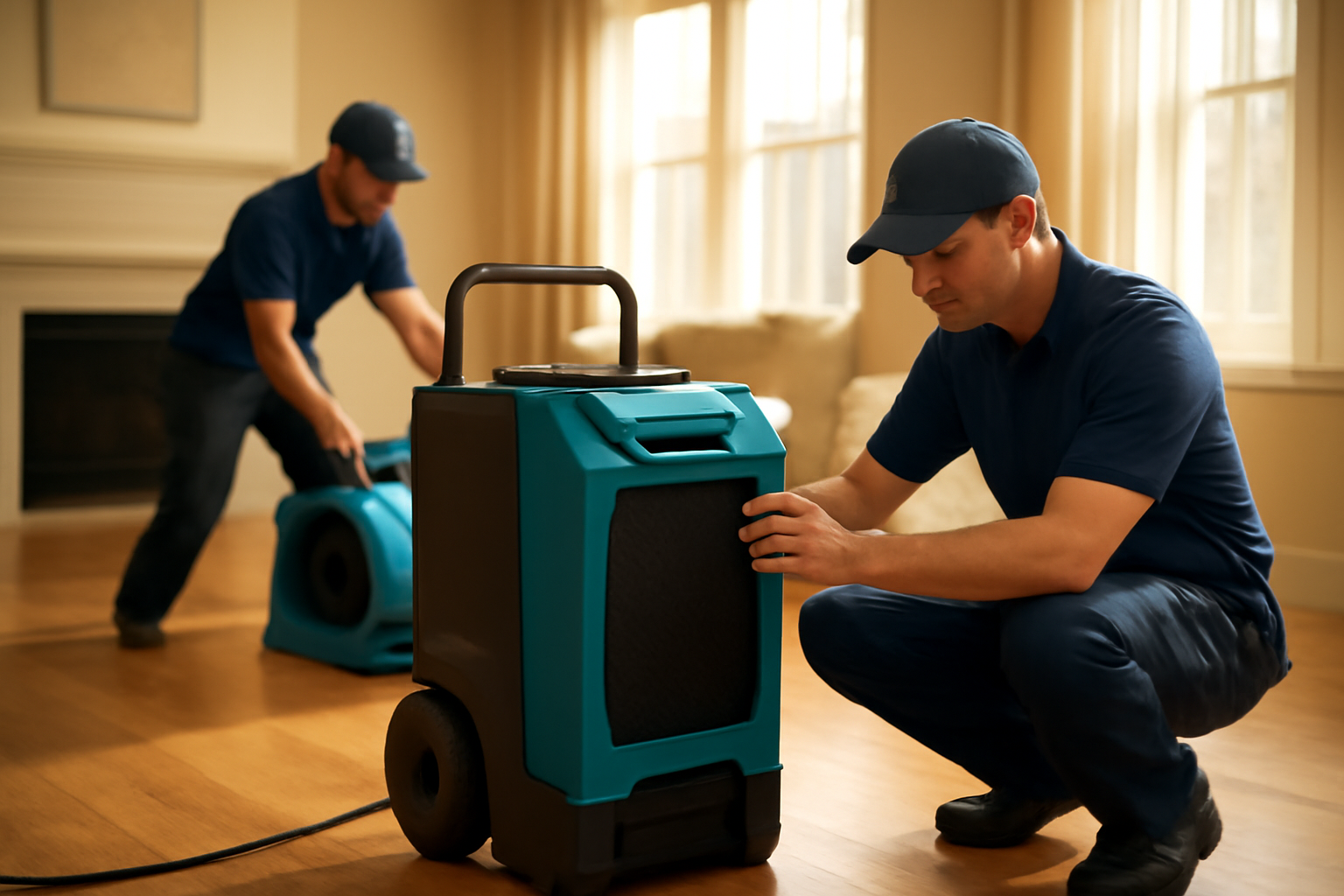
- The process uses specialized equipment like dehumidifiers and air movers.
- Drying times vary greatly, from a few days to several weeks.
- Professional assessment is key to proper drying and preventing long-term issues.
What Is Structural Drying and How Long Does It Take?
When water invades your home, the immediate concern is often the visible mess. But what happens after the standing water is gone? That’s where structural drying comes in. It’s a critical step in water damage restoration. It addresses the moisture that has soaked into your building’s framework.
Ignoring this hidden moisture can lead to a cascade of problems. Think warped floors, peeling paint, and even mold. Structural drying aims to reverse this. It’s about getting your home back to its pre-loss condition. We found that understanding this process helps homeowners make informed decisions.
Why Is Structural Drying So Important?
Water doesn’t just sit on surfaces. It seeps into porous materials like drywall, wood, and insulation. This trapped moisture can cause a lot of trouble.
It can compromise the structural integrity of your home. Wood can rot, metal can rust, and materials can lose their strength. This is especially concerning if water reaches your foundation, leading to costly repairs. We found that early intervention is key to preventing extensive damage.
The Hidden Dangers of Unaddressed Moisture
Beyond visible damage, there are less obvious threats. Mold spores are everywhere, but they need moisture to grow. Damp environments are a breeding ground for mold, which can cause serious health risks.
It can trigger allergies, asthma, and other respiratory issues. That’s why getting the structure properly dry is non-negotiable. It’s about more than just aesthetics; it’s about your family’s well-being. We found that many homeowners underestimate these risks.
The Structural Drying Process Explained
Structural drying is a science. It involves carefully monitoring and controlling the drying environment. Professionals use specialized equipment to achieve this.
This isn’t a DIY job. Professionals have the tools and knowledge to dry your home safely and effectively. They understand how to tackle water structural damage. We found that the right equipment makes a huge difference.
Key Equipment Used
Imagine trying to dry a wet sponge by just waving it in the air. It wouldn’t work very well, right? Structural drying uses powerful tools to speed up the process.
- Dehumidifiers: These machines pull moisture out of the air, lowering the humidity levels.
- Air Movers (Fans): These circulate air across wet surfaces and through cavities, helping to evaporate moisture.
- Heaters: Sometimes used to raise the temperature slightly, increasing the air’s capacity to hold moisture.
- Moisture Meters: Used to accurately measure the moisture content in various materials.
These tools work together to create an optimal drying environment. We found that the strategic placement of these devices is crucial.
Monitoring and Control
Simply setting up equipment isn’t enough. Professionals constantly monitor the drying progress. They use hygrometers and moisture meters.
This ensures that materials are drying evenly and effectively. It helps prevent over-drying or under-drying. We found that this careful oversight prevents secondary damage.
How Long Does Structural Drying Take?
This is the million-dollar question, isn’t it? The truth is, there’s no single answer. The drying time depends on many factors.
It’s like asking how long it takes to heal from an injury. It varies greatly from person to person, and situation to situation. We found that setting realistic expectations is important.
Factors Influencing Drying Time
Several things can speed up or slow down the drying process. Understanding these can help you anticipate the timeline.
The amount of water is a big one. A small leak will dry faster than a flooded basement. The type of materials affected also matters. Porous materials absorb more water.
The temperature and humidity of the environment play a role. Warmer, drier air dries things faster. Finally, how quickly the restoration process began is key. We found that prompt action significantly reduces drying time.
Typical Drying Timeframes
For minor water damage, drying might take just a few days. Think a leaky pipe that was fixed quickly.
For more extensive flooding, it could take several weeks. This often involves drying out saturated structural components. We found that even seemingly dry materials can retain moisture deep within.
It’s essential to let professionals determine when drying is complete. Relying on surface dryness alone can be misleading. We found that proper assessment prevents future problems.
When to Call a Professional for Structural Drying
If you’ve experienced any significant water intrusion, it’s wise to call a professional right away. Don’t wait to get help.
Even a small amount of water can cause hidden damage. Professionals have the expertise and equipment to handle it. We found that attempting DIY drying can often lead to more problems.
Signs You Need Professional Drying
Are you seeing any of these signs after water damage?
- Visible water stains on walls or ceilings.
- Musty odors, indicating potential mold growth.
- Warped or buckling floors and walls.
- Peeling paint or wallpaper.
- Any water that has penetrated beyond the surface layer of materials.
If you notice any of these, it’s time to act before it gets worse. We found that professional intervention is crucial for thorough drying.
The Cost Factor
You might be wondering about the expense. While there’s a cost associated with professional drying, it’s often less than the cost of repairing extensive damage later.
Consider the potential for mold remediation, structural repairs, and replacing damaged belongings. A total repair estimate can be much higher without proper drying. We found that many insurance policies cover water damage restoration.
Understanding how much does foundation water damage repair cost can give you a baseline. Addressing water issues promptly can prevent more severe foundation damage risk. We found that investing in proper drying saves money long-term.
Can Fire Damage Affect Your Foundation?
While we often think of water damage when discussing structural drying, other disasters can also impact your home’s foundation. Fire, for instance, can create its own set of problems.
The intense heat from a fire can weaken concrete and other structural components. Additionally, the water used to extinguish the fire can lead to secondary water damage and the need for structural drying. We found that fire structural impact can be significant.
Sometimes, it’s a matter of rebuild vs repair. Understanding the extent of damage is key. We found that foundation repairs after fire can be complex.
Conclusion
Structural drying is a vital, often unseen, part of restoring your home after water damage. It’s a meticulous process that goes deep into your building’s structure to remove moisture. This prevents mold, rot, and further deterioration. While drying times can vary, understanding the factors involved helps manage expectations. For any significant water event, schedule a free inspection with experienced professionals. Eden Prairie Restoration Pros is a trusted resource for expert advice and comprehensive drying services, ensuring your home is safely and thoroughly restored.
What is the main goal of structural drying?
The main goal is to remove all hidden moisture from building materials and the air within your home. This prevents secondary damage like mold growth, rot, and material degradation. We found that complete drying is essential for a healthy home environment.
How do professionals measure drying progress?
Professionals use specialized tools like moisture meters and hygrometers. Moisture meters detect water content within materials like wood and drywall. Hygrometers measure the relative humidity in the air. This data helps them track drying effectiveness and determine when the structure is dry. We found that these tools provide objective measurements.
Can I speed up structural drying myself?
While you can help by ventilating the area and removing visible water, true structural drying requires specialized equipment and expertise. Trying to speed it up without the right tools might not effectively remove moisture from within materials. We found that professional equipment is far more powerful.
What happens if structural drying is not done properly?
If structural drying is incomplete, you risk ongoing issues. This includes mold growth, which can cause health problems and require costly remediation. Materials can continue to degrade, leading to weakening and potential failure. This can result in higher structural damage repair costs. We found that improper drying leads to long-term consequences.
Does insurance cover structural drying?
In most cases, yes. Water damage is typically covered by homeowner’s insurance, and structural drying is considered a necessary part of the restoration process. It’s always best to check your specific policy details. We found that prompt reporting to your insurer is important.