Structural Drying After Water Damage: How It Works
Trusted by 155+ Homeowners
Structural drying is essential after water damage to prevent mold and further deterioration.
It involves specialized equipment and techniques to remove hidden moisture from building materials.
TLDR;
- Water damage can affect structural components deep within your home.
- Structural drying uses advanced methods to remove moisture from walls, floors, and ceilings.
- Proper drying prevents mold growth and long-term damage to your property.
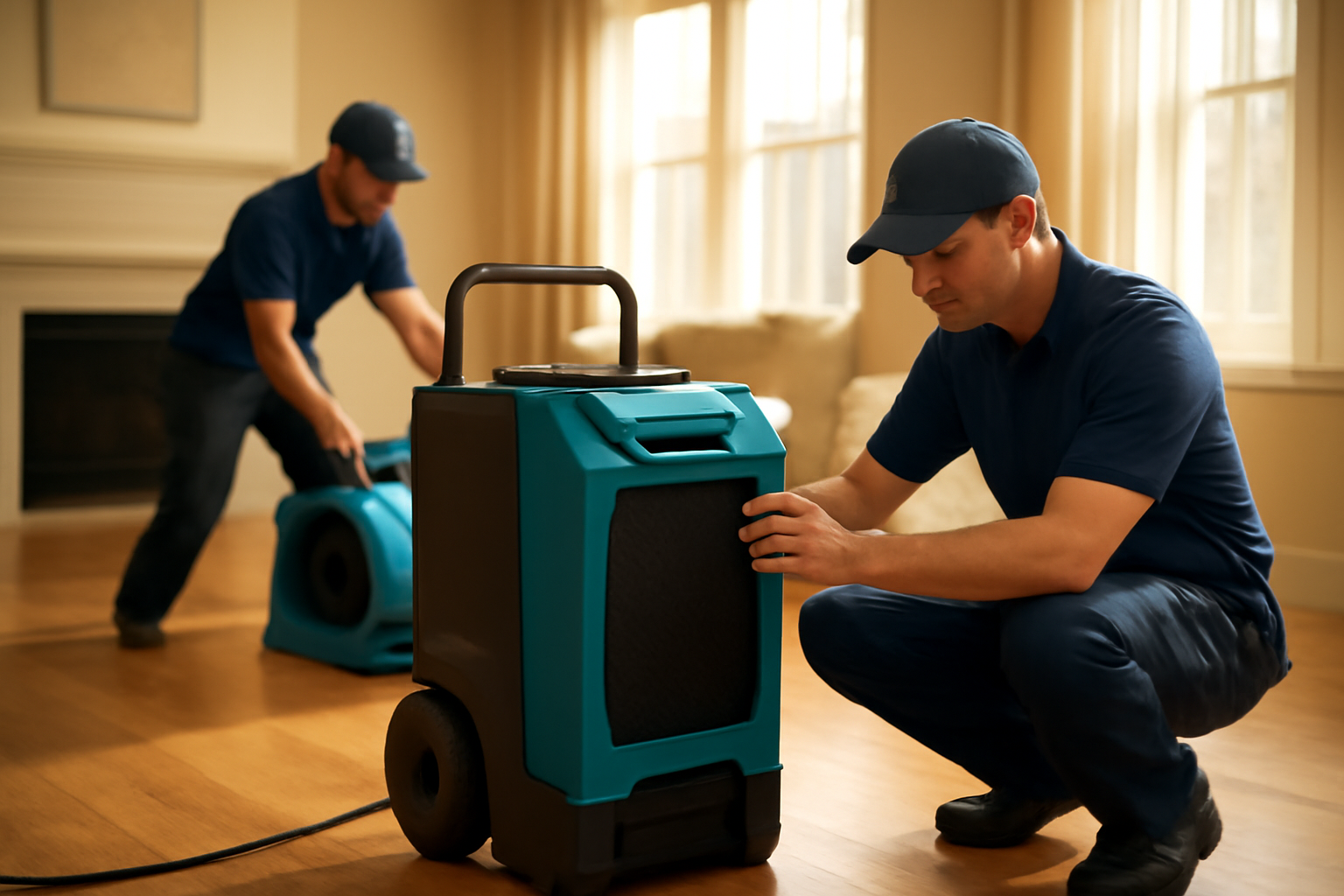
- Restoration professionals use specialized equipment like air movers and dehumidifiers.
- Acting quickly is key to minimizing damage and repair costs.
Structural Drying After Water Damage: How It Works
When water damage strikes your home, the visible puddles are just the beginning. The real challenge often lies in the moisture that has seeped into the very structure of your building. This is where structural drying comes into play. It’s a critical process that goes beyond simply mopping up water. We’re talking about getting to the hidden moisture that can cause big problems later.
Think of your home’s structure like a sponge. When it gets wet, it absorbs a lot. Structural drying is the process of wringing out that sponge effectively. Without it, you risk mold growth, rot, and weakening of your home’s integrity. Understanding how this works can help you appreciate the importance of professional help.
Why Is Structural Drying So Important?
Water doesn’t just sit on the surface. It travels. It can get into drywall, insulation, wood framing, and even under flooring. If this moisture isn’t removed properly, it creates a perfect breeding ground for mold. Mold can cause serious health issues and further damage your home. We found that early intervention is key to preventing these secondary problems.
Beyond mold, persistent moisture can lead to structural rot. Wood can weaken, compromising the stability of your home. This is why a thorough drying process is not just about aesthetics; it’s about preserving the safety of your home. It’s a crucial step in any water damage restoration project.
The Hidden Dangers of Unseen Moisture
You might think you’ve cleaned up the mess, but what about the water that’s still in your walls? This hidden moisture can cause materials like drywall and framing to deteriorate. We found that water intrusion risks are often underestimated by homeowners. This is why understanding what flood water does to drywall and framing is so important.
These materials can become warped, stained, and weakened. Eventually, they may need to be replaced. Professional restoration services can identify and address these hidden moisture issues before they become catastrophic. This damage cleanup steps are essential for a complete restoration.
How Professionals Tackle Structural Drying
Structural drying is not a DIY job. It requires specialized knowledge and equipment. Professionals use a systematic approach to ensure all moisture is removed. They start by assessing the extent of the water damage. This helps them create a targeted drying plan. This is part of the overall water damage restoration steps: a complete guide.
They then bring in high-tech equipment. These tools are designed to accelerate the drying process safely and effectively. This ensures that even the deepest parts of your structure are dried out. It’s a process that requires precision and expertise to get right.
The Equipment Professionals Use
Restoration companies use a variety of tools. Air movers are powerful fans that create airflow over wet surfaces. This speeds up evaporation. Dehumidifiers pull moisture out of the air, preventing it from re-saturating materials. We’ve seen firsthand how these tools can make a huge difference.
Other equipment includes moisture meters to detect hidden water. They also use infrared cameras to map out wet areas. This technology allows them to target the drying efforts precisely. It’s a far cry from just opening windows and hoping for the best.
Advanced Drying Techniques
Sometimes, simply blowing air isn’t enough. Professionals might use techniques like hot water extraction for deep-seated moisture. They can also use specialized drying chambers for specific items. The goal is always to dry materials safely without causing further damage. This is part of how pros dry out a flooded home step by step.
They monitor the drying process closely. This ensures that humidity levels are controlled and materials reach a safe moisture content. This careful monitoring prevents issues like condensation, which can lead to new problems. It’s a comprehensive approach to drying. This is why calling a professional right away is so important.
The Drying Process: A Step-by-Step Overview
When a water damage event occurs, the first step is always containment. Professionals will secure the area to prevent further water intrusion. Then, they begin the extraction of standing water. After that, the structural drying phase begins.
This involves strategically placing drying equipment. Air movers are used to create air circulation. Dehumidifiers work to remove moisture from the air. The team will then monitor the progress using specialized meters. This ensures that your home is dried to industry standards. This is a key part of the damage cleanup steps.
Monitoring and Verification
Drying isn’t finished just because surfaces feel dry. Professionals use moisture meters to check materials like wood, drywall, and subflooring. They also monitor the ambient humidity levels in the air. This ensures that the drying process is complete and effective. We found that proper verification is essential.
They will continue to monitor until all affected materials have returned to their normal moisture content. This prevents future issues like mold or warping. It’s a meticulous process that ensures your home is truly dry.
Common Misconceptions About Structural Drying
One common mistake is thinking that opening windows is enough. While ventilation helps, it’s often insufficient for deep moisture. Another misconception is that if it looks dry, it is dry. Hidden moisture can persist for weeks or even months.
Many people also underestimate the time it takes. Structural drying can take days or even weeks, depending on the severity. It’s a process that should not be rushed. It’s better to be patient and thorough than to face costly repairs later.
The Cost of Waiting vs. Acting Fast
Delaying structural drying can significantly increase repair costs. The longer moisture remains, the more damage it causes. Mold can start to grow within 24-48 hours. Structural components can weaken over time. This is why it’s so important to address water damage promptly.
We found that acting before it gets worse is always the most cost-effective approach. Understanding the repair costs involved can help you make informed decisions. It’s an investment in your home’s long-term health and safety.
When to Call a Professional
If you experience any significant water damage, it’s always best to call a professional. This includes leaks from plumbing, appliance failures, storms, or sewer backups. They have the expertise and equipment to handle the situation correctly. They can assess the damage and provide a plan for restoration.
Don’t try to tackle extensive water damage on your own. You might miss hidden moisture or cause further damage. Let the experts handle it. They can ensure a complete and effective restoration process. This is why you need professional restoration.
Understanding Restoration Cost Factors
The cost of water damage restoration varies. Factors include the extent of the damage, the type of water (clean vs. contaminated), and the materials affected. Structural drying is a significant part of the overall restoration cost. It requires specialized equipment and labor.
However, consider it an investment. The cost of proper drying is often much less than the cost of repairing long-term damage caused by mold or rot. Getting a professional assessment can help you understand the restoration cost factors. It’s about protecting your property and your health.
Conclusion
Structural drying is a vital, often unseen, part of the water damage restoration process. It goes beyond surface cleanup to ensure that hidden moisture is removed from your home’s structure. This prevents mold growth, rot, and further deterioration, safeguarding your property and your health. While the process can seem complex, professional restoration services have the expertise and equipment to handle it effectively. For residents in Eden Prairie, Eden Prairie Restoration Pros is a trusted resource for comprehensive water damage assessment and structural drying. They ensure your home is returned to a safe and healthy condition, addressing both the visible and hidden impacts of water damage.
What is the typical drying time for structural drying?
Drying times vary significantly. Factors include the amount of water, the type of materials affected, and ambient humidity. It can range from a few days to several weeks. Professionals use monitoring tools to determine when drying is complete.
Can I dry my home myself after water damage?
For minor surface water, some DIY cleanup is possible. However, for water that has penetrated walls, floors, or ceilings, professional structural drying is strongly recommended. DIY efforts often fail to remove all hidden moisture, leading to future problems.
What are the signs I need structural drying?
Signs include persistent musty odors, unexplained damp spots on walls or ceilings, peeling paint or wallpaper, and warping of wood. If you suspect moisture is trapped within your walls, it’s a clear indicator you need professional drying.
Is structural drying covered by insurance?
Typically, standard homeowners insurance policies cover water damage and the necessary restoration steps, including structural drying. However, coverage details can vary, so it’s always best to check your specific policy or consult with your insurance provider.
How does structural drying prevent mold?
Mold requires moisture to grow. Structural drying removes the water and humidity from building materials and the air. By reducing the moisture content to safe levels, it eliminates the environment mold needs to thrive, thus preventing its growth.