How Mold Remediation Works: A Full Breakdown
Trusted by 155+ Homeowners
Mold remediation is a multi-step process to safely remove mold and prevent its return. It involves containment, removal, cleaning, and restoration of affected areas.
Understanding how mold remediation works is key to protecting your home and health from potential damage and health risks.
TL;DR:
- Mold remediation is a systematic process to eliminate mold growth and restore your property.
- It includes identifying the mold source, containing the spread, removing contaminated materials, and thorough cleaning.
- Safety is paramount, with professionals using protective gear and specialized equipment.
- The goal is not just removal but also preventing future mold growth through moisture control.
- Hiring experts ensures the job is done correctly and safely, addressing the root cause.
How Mold Remediation Works: A Full Breakdown
Discovering mold in your home can be unsettling. You might wonder, “What exactly happens when professionals tackle mold?” Understanding the mold remediation process helps you know what to expect and why it’s so important.
Identifying the Mold Problem
The first step is always finding out where the mold is and why it’s growing. Mold needs moisture to thrive. Experts will look for water damage, leaks, or high humidity.
They need to pinpoint the source of the moisture. Without fixing this, mold will just come back, no matter how well it’s cleaned up.
Containment: Stopping the Spread
Once identified, the area needs to be contained. This is super important to stop mold spores from spreading to other parts of your home. Think of it like setting up a clean zone.
Workers use plastic sheeting and negative air pressure machines. This keeps the moldy air from circulating. It’s a critical part of the remediation process.
Mold Removal and Cleaning
This is where the actual mold gets removed. Porous materials like drywall, carpet, or insulation might need to be carefully removed and discarded. Non-porous surfaces are cleaned thoroughly.
Specialized cleaning solutions are used to kill mold and its spores. They also help to remove stains and odors. This ensures a truly clean environment.
Dealing with Different Materials
Cleaning depends on what the mold is on. Wood and metal are usually cleaned and dried. Fabrics and carpets might need professional cleaning or replacement. Sometimes, the only safe option is removal.
For areas like attics, a specific guide is helpful. Understanding attic mold causes, risks, and remediation can prevent bigger issues.
Drying and Dehumidification
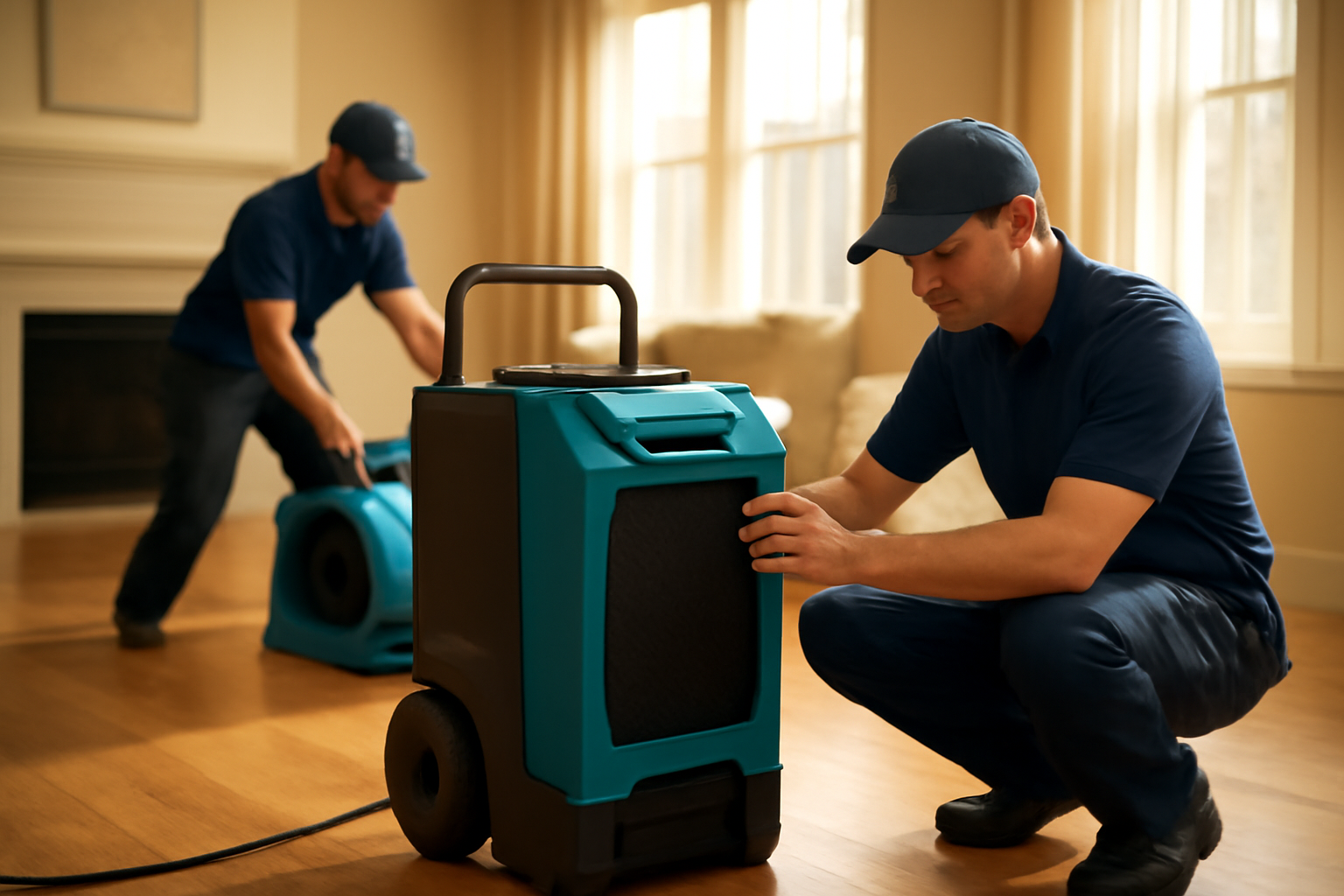
After cleaning, everything needs to be dried completely. Moisture is the enemy of mold prevention. Professionals use industrial fans and dehumidifiers.
They monitor humidity levels closely. The goal is to get the moisture content back to normal. This prevents regrowth and further damage.
Restoration and Repair
Once the area is clean, dry, and safe, it’s time for repairs. This could involve replacing drywall, repainting, or reinstalling flooring. The aim is to bring your home back to its pre-mold condition.
This phase ensures your home is not only mold-free but also structurally sound and looks great again. It’s the final touch to a successful restoration.
Safety First, Always
Mold can cause serious health risks. Professionals wear protective suits, gloves, and respirators. This protects them and your family during the cleanup. They are trained to handle mold safely.
This is why hiring a team for professional remediation is so important. They have the knowledge and equipment to do it right.
The Importance of Professional Remediation
DIY mold removal might seem like a money-saver, but it can be risky. You might not remove all the mold, or you could spread spores unknowingly. This can lead to bigger problems and higher costs later.
A team offers expert advice today. They know how to assess the situation, contain it, and remove it effectively. Plus, they can help you understand the potential cost. Knowing how much mold remediation really costs helps in planning.
What About Other Home Hazards?
Sometimes, home restoration projects uncover other issues. For example, older homes might have lead paint. It’s important to know how to handle these safely too.
Understanding lead paint remediation ensures all hazardous materials are managed correctly during renovations.
When Is It Time to Call for Help?
If you see mold, especially if it covers a large area, or if you suspect it’s hidden behind walls, it’s time to act. Any signs of mold growth should be addressed promptly.
Don’t hesitate to call a professional right away. The sooner you address mold, the less damage it can cause.
Understanding the Timeline
The duration of mold remediation can vary. It depends on the size of the affected area and the severity of the mold growth. Smaller jobs might take a day or two.
Larger infestations can take longer. It’s good to have an idea of how long mold remediation takes so you can plan accordingly.
Common Mold Remediation Steps
Here’s a quick rundown of what happens:
- Inspection and assessment of mold growth.
- Containment of the affected area.
- Removal of contaminated materials.
- Cleaning and sanitizing surfaces.
- Drying and dehumidification.
- Restoration of damaged areas.
What If Mold Isn’t Removed Properly?
If mold remediation isn’t done correctly, mold can return. You might also experience ongoing health issues. This is why choosing the right professionals is crucial.
They ensure the job is done right the first time. This avoids future headaches and keeps your home healthy.
The Long-Term Goal: Prevention
Effective mold remediation isn’t just about cleaning. It’s about preventing mold from coming back. This means addressing the moisture issues that allowed it to grow in the first place.
Proper ventilation, fixing leaks, and managing humidity are key. This is part of what happens after mold remediation is done.
Health Effects of Mold
Exposure to mold can trigger allergies and asthma symptoms. Some molds can produce mycotoxins, which can cause more severe reactions. Understanding the health effects of mold is vital for your family’s well-being.
It’s not just about the look of mold; it’s about the potential for mold-related illness. Taking action protects your loved ones.
Conclusion
Mold remediation is a detailed process that requires expertise. It involves identifying the source, containing the spread, safely removing mold, and restoring your property. By understanding how it works, you can make informed decisions to protect your home and health. For reliable and thorough mold remediation services, Eden Prairie Restoration Pros is a trusted resource dedicated to restoring your peace of mind.
What are the signs of mold I should look for?
Visible mold growth, a musty odor, water stains on walls or ceilings, and peeling paint or wallpaper can all indicate a mold problem. Sometimes, mold is hidden, so persistent odors are also a clue.
Can I clean up mold myself?
For very small areas (less than 10 square feet) and non-porous surfaces, some DIY cleaning might be possible. However, for larger infestations or if you suspect mold is behind walls, it’s best to call professionals for safe and effective removal.
What equipment do mold remediation professionals use?
They use specialized tools like air scrubbers with HEPA filters, negative air machines, industrial dehumidifiers, high-efficiency vacuums, and personal protective equipment (PPE) such as respirators and full suits to ensure safety and thoroughness.
How can I prevent mold from growing after remediation?
The key is moisture control. Fix any leaks promptly, ensure good ventilation in bathrooms and kitchens, use dehumidifiers in damp areas, and dry any water-damaged materials quickly. Regular inspections can also help catch issues early.
Is mold always a health hazard?
Not all mold is toxic, but all mold can cause allergic reactions in sensitive individuals. Some molds produce mycotoxins that can be harmful with prolonged exposure. It’s always best to treat mold as a potential health risk and have it removed by experts.