
What Happens After Mold Remediation Is Done?
Trusted by 155+ Homeowners
After mold remediation, you can expect a cleaner, healthier home environment.
The key is ongoing vigilance and proper moisture control to prevent recurrence.
TL;DR:
- Post-remediation involves cleaning, drying, and air quality testing.
- Preventing mold regrowth requires controlling humidity and fixing leaks.
- Regular inspections are important for early detection.
- Mold can return if the underlying moisture issues aren’t resolved.
- Your home should feel safer and smell fresher after successful remediation.
What Happens After Mold Remediation Is Done?
So, you’ve had mold remediation done. That’s a huge step towards a healthier home! But what comes next? You might be wondering if the job is truly finished or if there’s anything else you need to do. Understanding the post-remediation phase is crucial for ensuring the mold doesn’t make a comeback.
The Immediate Aftermath: Cleaning and Testing
Once the mold removal is complete, the cleanup phase begins. This involves thorough cleaning of all affected areas. Professionals will remove any contaminated materials. They will then clean and sanitize surfaces. This ensures no mold spores are left behind.
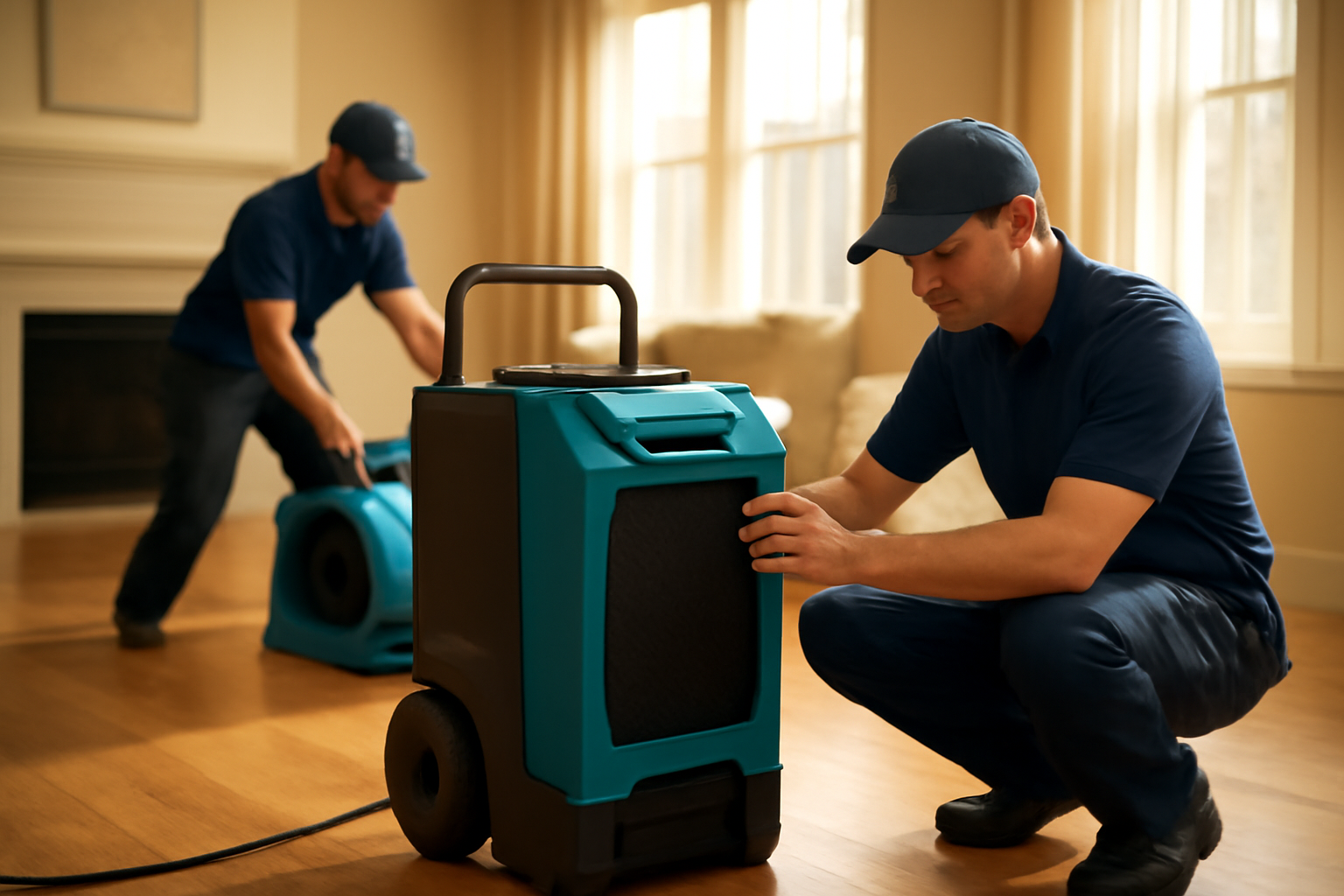
Air scrubbers and dehumidifiers are often used. These help remove airborne spores and excess moisture. The goal is to return your home’s air quality to a safe level. This is a critical part of the remediation process.
Air Quality Testing: The Green Light
Before the remediation team leaves, they will likely conduct air quality testing. This is to confirm that the mold spore count has returned to normal levels. It’s like a final exam for the remediation project. You want to see those “passing grades” before signing off.
This testing provides objective proof that the environment is safe. It ensures that the professional remediation efforts were successful. You can relax a little more knowing the air you breathe is clean again.
Preventing Mold’s Return: Your Role
Mold remediation is not a one-time fix if the root cause isn’t addressed. The most important thing after remediation is to prevent the conditions that allowed mold to grow in the first place. This means tackling moisture issues head-on.
Think of mold like a weed. If you only pull the weed but don’t fix the soil conditions, it will grow back. We need to ensure the soil isn’t conducive to its growth. This means keeping things dry and well-ventilated.
Mastering Moisture Control
Humidity is mold’s best friend. Keeping indoor humidity levels below 60%, and ideally between 30-50%, is key. Using dehumidifiers in damp areas like basements or bathrooms can help significantly.
Fixing any leaks is also non-negotiable. This includes leaky pipes, roofs, or windows. Even small drips can create the perfect breeding ground. Addressing these issues promptly prevents major problems later on. This is part of a comprehensive remediation process.
Ventilation is Your Friend
Proper ventilation helps circulate air and reduce moisture buildup. Use exhaust fans in bathrooms and kitchens when showering or cooking. Ensure attics and crawl spaces are adequately ventilated. This can prevent issues like attic mold, which can have serious consequences.
Good airflow prevents stagnant, moist air pockets. This makes your home less inviting to mold spores. It’s a simple step that makes a big difference.
Monitoring Your Home
Even after remediation and implementing preventative measures, it’s wise to keep an eye out. Regularly inspect areas prone to mold growth. Look for any signs of moisture or new mold development.
This vigilance helps catch potential issues early. Early detection means smaller, easier-to-manage problems. You can avoid the stress and cost of a full-blown mold infestation. Don’t wait to get help if you suspect a problem.
Signs to Watch For
What should you be looking for? Musty odors are a common indicator. Visible mold growth, discoloration on walls or ceilings, and peeling paint are also red flags. Damp spots on surfaces are another warning sign.
If you notice any of these, it’s time to investigate further. It might be a small issue, or it could be the start of something bigger. Trust your senses – that persistent musty smell is often your home telling you something is wrong.
When to Call the Pros Again
If you discover new mold growth or persistent musty odors, don’t delay. It’s time to call in the experts again. They can assess the situation and determine the best course of action. This ensures the problem is handled correctly and safely.
Sometimes, mold can grow in hidden areas. Professionals have the tools and expertise to find it. They can also advise on further preventative measures. Remember, dealing with mold is serious and can lead to mold-related illness if left unchecked.
Understanding the Time and Cost Factors
The duration and cost of mold remediation can vary. Factors like the extent of the infestation and the types of materials affected play a role. Understanding these can help you plan and budget effectively.
Knowing how long the remediation process takes can ease anxiety. It also helps you plan for potential disruptions. For a clearer picture, research how long does mold remediation take and what influences it.
The Financial Aspect
The cost of mold remediation is another consideration. It’s an investment in your home’s health and your family’s well-being. Understanding the factors that influence how much does mold remediation really cost is important.
This includes the size of the affected area, the severity of the mold, and the complexity of the job. Specialized treatments or containment needs can also add to the expense. Many homeowners find it a worthwhile investment for peace of mind.
The Importance of Professional Remediation
While DIY might seem tempting, professional remediation is often the safest and most effective route. Professionals have the specialized equipment and knowledge. They can contain the mold properly and prevent cross-contamination. They also understand the science behind mold growth and removal.
This ensures the mold is eliminated completely. They also know how to properly remediate other potential hazards, such as lead paint remediation if encountered during the process. It’s about ensuring a complete and safe restoration.
A Checklist for Post-Remediation Success
Here’s a quick checklist to help you manage the post-remediation period:
- Ensure all affected areas have been thoroughly cleaned and dried.
- Confirm that air quality testing has been performed and passed.
- Identify and fix all sources of moisture and leaks.
- Maintain indoor humidity levels below 60%.
- Use ventilation fans regularly in bathrooms and kitchens.
- Inspect your home periodically for any signs of new mold.
What to Expect for Your Home’s Health
After successful mold remediation, your home should feel different. The musty odors should be gone. You should notice improved air quality. This contributes to a more comfortable and healthier living space.
The goal is to restore your home to its pre-mold condition. This involves not just removing the visible mold but also addressing the underlying issues. It’s about creating a safe haven for your family. You can feel more confident in your home’s environment after a thorough remediation process.
Conclusion
Living in a home free from mold is essential for your health and well-being. After mold remediation, your focus shifts to prevention and monitoring. By controlling moisture, ensuring good ventilation, and staying vigilant, you can enjoy a cleaner, safer home for years to come. If you suspect mold or need professional remediation services, Eden Prairie Restoration Pros is a trusted resource ready to help restore your peace of mind.
Will the mold definitely not come back?
Mold can return if the underlying moisture problem isn’t permanently fixed. Remediation removes existing mold, but preventing its return requires ongoing moisture control. Consistent vigilance is your best defense against recurrence.
How can I tell if the air quality is really better?
The most reliable way is through professional air quality testing. This provides objective data on spore counts. Subjectively, you should notice the absence of musty odors and a general feeling of fresher air.
What are the biggest mistakes homeowners make after mold remediation?
The biggest mistake is neglecting to fix the moisture source. Other common errors include not allowing adequate drying time or failing to ventilate properly. Ignoring potential signs of recurrence is also a frequent oversight.
How often should I inspect my home for mold after remediation?
It’s wise to perform visual checks monthly in areas prone to moisture, like bathrooms and basements. A more thorough inspection every six months is recommended. Pay attention to any unusual smells or dampness.
Can I clean up small mold spots myself after professionals have been there?
For very small, superficial spots on non-porous surfaces, you might be able to clean them with a mild detergent. However, if you see any new growth or are unsure, it’s always best to contact professionals. They can assess the situation safely and effectively.