
Trusted by 155+ Homeowners
How High Humidity Leads To Mold Growth Indoors
- Over 157 5-Star Reviews
- Free Estimates and Quotes
- 100% Satisfaction Guaranteed
- Child, Family & Pet Safe Steps
- 24-Hour Emergency Service
- Fully Licensed & Insured
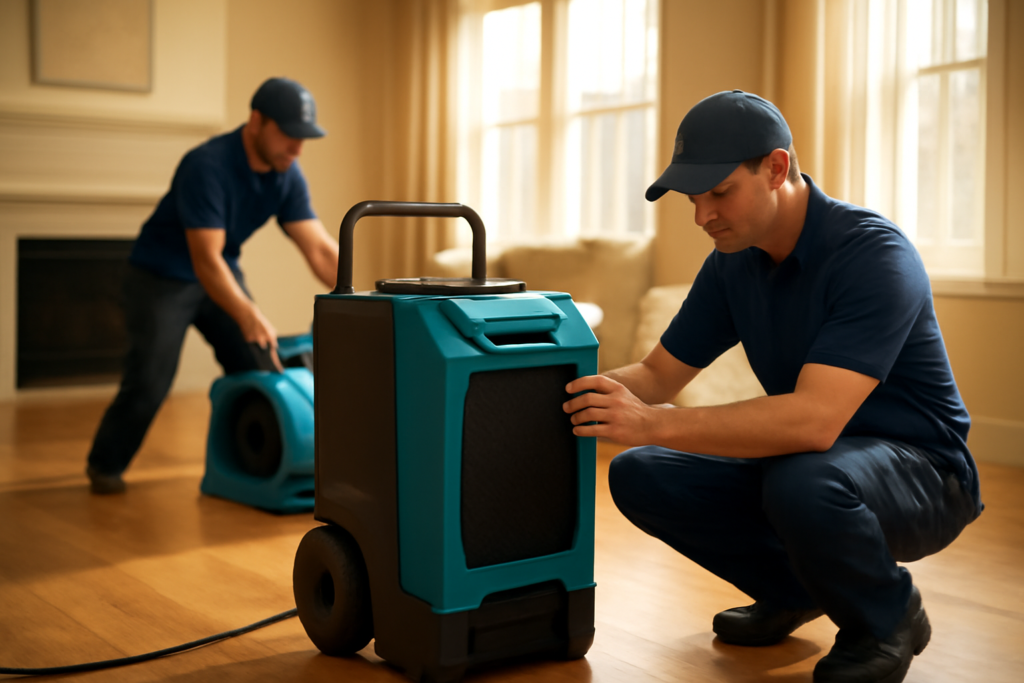
High humidity indoors is a primary driver of mold growth.
Excess moisture in your home creates the ideal environment for mold spores to thrive and spread rapidly.
TL;DR:
- High humidity levels create perfect conditions for mold to grow.
- Mold needs moisture, a food source (like wood or drywall), and warmth to spread.
- Common indoor moisture sources include leaks, condensation, and poor ventilation.
- Mold can cause health issues and damage your home’s structure.
- Controlling humidity and addressing moisture promptly is key to preventing mold.
How High Humidity Leads to Mold Growth Indoors
It’s a common problem: you notice a musty smell, or perhaps see fuzzy patches on your walls. You might wonder, “How high humidity leads to mold growth indoors?” The answer is simple: mold spores are everywhere, but they need moisture to grow. High indoor humidity provides that essential water source. When the air is consistently damp, mold spores land on surfaces and begin to colonize. This creates a cycle where more moisture leads to more mold, which can then contribute to even more moisture problems.
The Mold Life Cycle and Humidity
Mold spores are microscopic and float through the air, both indoors and outdoors. They are naturally present in our environment. However, these spores only germinate and grow into visible mold when they find a suitable environment. This environment absolutely requires a food source and, most importantly, moisture. Research shows that mold can start to grow within 24 to 48 hours after a water event. High humidity means there’s a constant supply of moisture in the air. This moisture can condense on cooler surfaces, providing just enough dampness for mold to take hold.
Understanding the Moisture Connection
Think of your home like a terrarium when humidity levels are too high. Condensation can form on windows, pipes, and even within your walls. This is because warm, moist air comes into contact with cooler surfaces. This constant dampness is a feast for mold. Identifying the moisture sources is the first step in preventing mold. Without addressing the water, mold will always find a way to return.
Where Does Indoor Humidity Come From?
Several everyday activities can contribute to elevated indoor humidity. Cooking, showering, and even breathing release moisture into the air. Leaky pipes, roof leaks, or foundation issues are also major culprits. Poor ventilation in bathrooms and kitchens traps this moisture. Sometimes, humid outdoor air can infiltrate your home through gaps and cracks. We found that in areas with already high outdoor humidity, indoor levels can rise quickly, especially during summer. This is why understanding summer humidity and indoor water damage risks is so important for homeowners.
The Role of Condensation
Condensation is a clear sign that your indoor humidity is too high. You’ll often see it on cold surfaces like windows, mirrors, or even the exterior of cold water pipes. This trapped moisture creates a perfect breeding ground for mold. It’s like leaving a wet towel in a corner; it won’t take long for it to start smelling musty. This is a direct indicator that mold could be starting to form in hidden areas. Addressing the condensation is key to preventing further issues.
Common Indoor Mold Habitats
Mold loves damp, dark places. Your basement is a prime candidate, especially if it’s prone to flooding or has high humidity. Bathrooms are another common spot due to steam from showers. Areas around plumbing, such as under sinks, are also vulnerable. Even poorly ventilated attics can harbor mold if there’s a moisture problem. Anywhere moisture lingers, mold can grow. This is why a thorough inspection is necessary to find all potential moisture sources.
The Smell of Trouble
One of the most common indicators of a mold problem is a persistent musty odor. This smell is often described as earthy or damp. If you notice a musty smell in your home, it could be water damage and the presence of mold. This odor can be particularly noticeable after rain or when humidity levels rise. Sometimes, you might not see the mold, but you can definitely smell it. This is your home telling you there’s a problem that needs attention.
Factors That Fuel Mold Growth
Mold needs more than just moisture to thrive. It also requires a food source and the right temperature. Thankfully, most homes provide plenty of food sources for mold. This includes materials like wood, drywall, insulation, carpet, and even dust. Most common household molds prefer temperatures between 40-80 degrees Fahrenheit, which is typical for indoor environments. So, if you have high humidity and these conditions, you’re creating an ideal environment for mold.
Temperature and Mold
While mold can grow in a wide range of temperatures, it flourishes in moderate conditions. Extreme heat or cold can slow its growth but rarely eliminates it entirely. Indoor temperatures in most homes are perfectly suited for mold proliferation. This means that even if you don’t have extreme weather outside, your indoor climate can still support mold growth if moisture is present. This is a key reason why controlling indoor humidity is so critical year-round.
The Food Source: Building Materials
Your home is essentially a buffet for mold. Materials like wood framing, drywall paper, ceiling tiles, and even upholstered furniture are all susceptible to mold growth when damp. This is why prompt water damage cleanup is so important. The longer these materials remain wet, the more likely mold is to colonize them. Addressing the water damage quickly can prevent the mold from having a feast.
The Impact of High Humidity on Your Home
Beyond just mold, consistently high humidity can cause other problems. It can lead to peeling paint, warped wood, and damaged insulation. It can also make your home feel uncomfortably sticky and warm. Furthermore, mold itself can cause structural damage over time. It feeds on organic materials, slowly degrading them. This can weaken building components and lead to costly repairs down the line. Understanding the water damage link is crucial here.
Health Concerns Associated with Mold
Mold exposure can lead to a variety of health issues. These can range from mild allergic reactions like sneezing and itchy eyes to more severe respiratory problems. Individuals with asthma or compromised immune systems are particularly vulnerable. Some molds can even produce mycotoxins, which can have serious health effects. If you suspect mold, it’s important to take it seriously due to these potential serious health risks.
When Does Mold Become a Problem?
Mold typically starts growing within 24-48 hours after a water event. The speed of growth depends on the amount of moisture and the conditions. A small leak might lead to mold within a few days, while a larger flood could see widespread growth much faster. Research into the water damage timeline: from leak to mold growth shows a clear progression. The longer moisture is present, the greater the risk of significant mold infestation. Don’t wait to get help if you suspect a problem.
Controlling Indoor Humidity: Your First Line of Defense
The most effective way to prevent mold is to control indoor humidity levels. The EPA recommends keeping indoor humidity between 30% and 50%. You can achieve this through several methods. Using exhaust fans in bathrooms and kitchens helps remove moist air. Ensuring proper ventilation throughout your home is also vital. Dehumidifiers can be very effective in damp areas like basements. Fixing any leaks promptly is also essential to prevent new moisture sources.
Ventilation is Key
Good airflow helps prevent moisture from settling and condensing. Open windows when weather permits. Use ceiling fans to keep air circulating. Make sure clothes dryers are vented to the outside. Proper ventilation ensures that moist air doesn’t get trapped. This is especially important after activities like showering or cooking. Sometimes, a musty odor can indicate poor airflow and trapped moisture. This relates directly to understanding why does my house smell musty when it rains.
Using Dehumidifiers and Air Conditioners
Dehumidifiers actively remove moisture from the air. They are especially useful in basements or other damp areas. Air conditioners also help reduce humidity by cooling the air. However, they are not a substitute for proper ventilation. Using these tools can significantly lower the risk of mold growth. This is a smart way to manage your indoor environment and prevent mold.
When to Call the Professionals
If you discover a large amount of mold, or if you suspect mold is hidden behind walls, it’s time to call for expert help. DIY mold removal might be possible for very small, surface-level areas. However, for significant infestations, professional remediation is necessary. Professionals have the equipment and expertise to safely remove mold and identify the underlying moisture problem. They can also help restore your home and prevent future growth. Don’t hesitate to call a professional right away if you have a significant mold issue.
Identifying Hidden Mold
Sometimes, mold isn’t visible but its presence is indicated by a persistent musty odor or signs of water damage. If you notice discoloration on walls, peeling paint, or damp spots, you might have hidden mold. Professionals can perform specialized inspections to detect mold you can’t see. This is part of ensuring your home is truly mold-free. Getting expert advice today can save you from bigger problems.
Conclusion
High humidity is a silent threat that can lead to significant mold growth and damage in your home. By understanding the link between moisture and mold, you can take proactive steps to protect your property and your health. Controlling humidity, ensuring proper ventilation, and addressing water issues promptly are your best defenses. If you suspect a mold problem or have experienced water damage, remember that acting quickly is key. For expert assistance in the Eden Prairie area, Eden Prairie Restoration Pros is a trusted resource ready to help you restore your home safely and effectively.
What are the ideal indoor humidity levels?
The ideal indoor humidity level is generally considered to be between 30% and 50%. Maintaining this range helps prevent mold growth and keeps your home comfortable. Levels consistently above 60% create a high risk for mold.
Can mold grow in dry climates?
While mold thrives in damp conditions, it can still grow in drier climates if there are localized sources of moisture. Leaky pipes, condensation from air conditioners, or even spills can provide enough water for mold to start growing.
How quickly does mold spread?
Mold can start to grow within 24 to 48 hours after a water intrusion event. The speed at which it spreads depends on the amount of moisture, temperature, and the availability of nutrients (building materials). Significant growth can occur within a week.
Is all mold dangerous?
Not all mold is toxic, but all mold can be a problem. Some molds produce mycotoxins that can cause health issues. Even non-toxic molds can trigger allergies and respiratory problems in sensitive individuals. It’s best to treat all mold growth as a potential hazard.
What are the signs of hidden mold?
Signs of hidden mold include a persistent musty odor, unexplained health symptoms (like coughing or sneezing), water stains on walls or ceilings, peeling paint, or warped building materials. If you notice these, it’s wise to investigate further.

Levi Lemieux is a licensed Damage Restoration Expert with more than 20 years of hands-on experience in disaster recovery and structural mitigation. As a seasoned industry authority, Levi has dedicated two decades to mastering the technical complexities of environmental safety, providing property owners with the reliable expertise and steady leadership required to navigate high-stress property losses with absolute confidence.
𝗖𝗲𝗿𝘁𝗶𝗳𝗶𝗰𝗮𝘁𝗶𝗼𝗻𝘀: Levi holds elite IICRC credentials, including Water Damage Restoration (WRT), Applied Structural Drying (ASD), Mold Remediation (AMRT), Fire and Smoke Restoration (FSRT), and Odor Control (OCT).
𝗙𝗮𝘃𝗼𝗿𝗶𝘁𝗲 𝗣𝗮𝘀𝘁𝗶𝗺𝗲: When off-site, Levi is a passionate mountain biker and an amateur astronomer, hobbies that reflect the endurance and precision he brings to every restoration project.
𝗕𝗲𝘀𝘁 𝗣𝗮𝗿𝘁 𝗼𝗳 𝘁𝗵𝗲 𝗷𝗼𝗯: He finds the most fulfillment in providing a clear path forward for families, turning a site of devastation back into a safe, comfortable home.