
Trusted by 155+ Homeowners
Water-soaked Insulation: What You Need To Know
- Over 157 5-Star Reviews
- Free Estimates and Quotes
- 100% Satisfaction Guaranteed
- Child, Family & Pet Safe Steps
- 24-Hour Emergency Service
- Fully Licensed & Insured
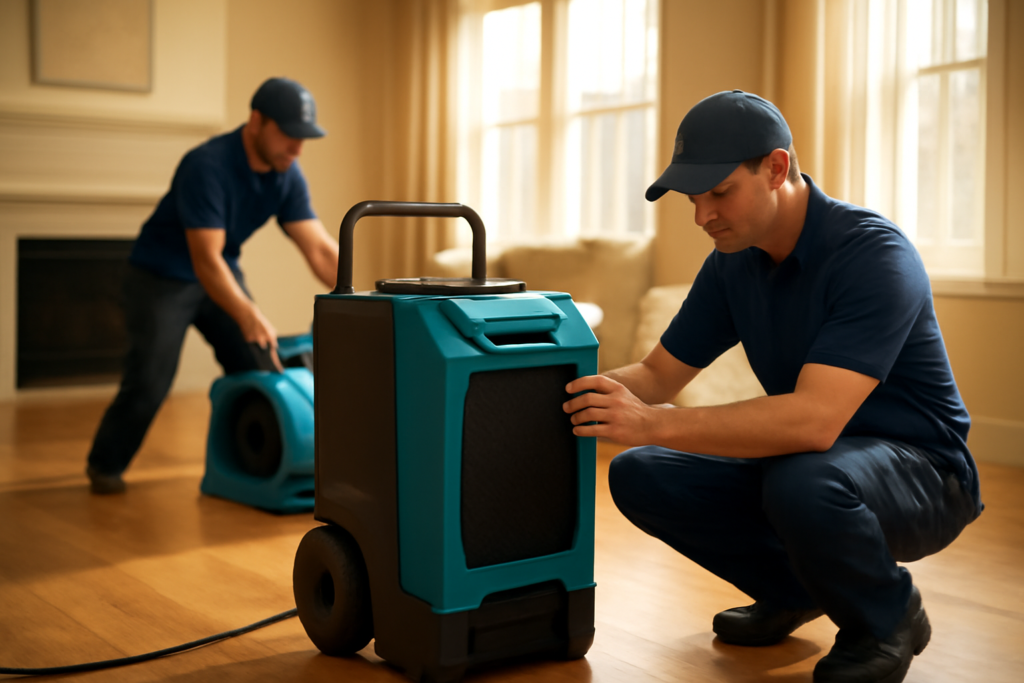
Water-soaked insulation can be a hidden disaster, leading to structural damage and mold.
Understanding its causes and how to address it is vital for protecting your home’s health and integrity.
TL;DR:
- Water-soaked insulation loses its effectiveness and can cause serious problems.
- Common causes include leaks, condensation, and appliance malfunctions.
- Wet insulation promotes mold growth and can damage building materials.
- Drying and replacing insulation is crucial for preventing further issues.
- Always call a professional to handle water damage restoration.
Water-Soaked Insulation: What You Need to Know
Your home’s insulation plays a big role in keeping it comfortable and energy-efficient. But what happens when it gets water-soaked? It’s not just a minor inconvenience; it can become a serious problem for your home’s structure and your family’s health. You might not even realize it’s happening until the damage is extensive. Let’s break down what you need to know about wet insulation.
Why is Wet Insulation So Bad?
Insulation works by trapping air. This trapped air is what keeps your home warm in the winter and cool in the summer. When insulation becomes wet, that trapped air is replaced by water. Water is a much better conductor of heat than air. This means your insulation loses its ability to insulate your home effectively. Your energy bills will likely go up as your HVAC system works harder.
Beyond energy loss, wet insulation becomes heavy. This extra weight can put stress on your ceilings and walls. It can also start to break down the materials it’s in contact with, like wood and drywall. This can lead to expensive structural repairs down the line.
The Mold Factor
Perhaps the most concerning issue with water-soaked insulation is the mold growth risk. Insulation provides a dark, often damp environment that is perfect for mold spores to thrive. Once mold starts growing, it can spread rapidly. You might notice a musty odor, which is often the first sign of trouble. If you smell that, don’t ignore it; it could be water damage.
Mold isn’t just unsightly; it can also pose significant health risks. Breathing in mold spores can trigger allergies, asthma symptoms, and other respiratory problems. This is a serious health risk you don’t want to deal with.
Common Culprits Behind Wet Insulation
So, how does insulation get wet in the first place? There are several common culprits, and sometimes it’s a combination of factors. Understanding these can help you identify potential problems before they get out of hand.
Leaky Pipes and Plumbing Failures
One of the most frequent causes of water-soaked insulation is a hidden plumbing issue. Pipes running through walls, attics, or crawl spaces can develop leaks. These leaks might be small drips or more significant bursts. Over time, even a small leak can saturate a large area of insulation. This is a classic example of pipe leak causes that many homeowners overlook.
These leaks can be hard to spot because they are often inside your walls or floors. You might only notice the problem when you see water stains on your ceiling or walls, or when the insulation is already soaked. Addressing plumbing failures promptly is key.
Roof Leaks and Exterior Water Intrusion
Your roof is your home’s first line of defense against the elements. When it fails, water can find its way in. A damaged shingle, a cracked flashing around a chimney, or an improperly sealed vent can all allow water to seep into your attic. This water can then drip down onto the insulation. This roof leak connection is often more common than people think.
The attic is a prime spot for insulation, and any breach in the roof can lead to significant saturation. It’s why inspecting your roof regularly and addressing any damage is so important. A compromised roof is a direct route for water damage.
Condensation Issues
Sometimes, water doesn’t come from a leak but from condensation. This happens when warm, moist air comes into contact with cold surfaces, like pipes or uninsulated ductwork in your attic or crawl space. The moisture in the air condenses into liquid water. This water can then drip onto nearby insulation.
Poor ventilation in attics and crawl spaces can worsen condensation problems. Without proper airflow, moisture gets trapped and has more opportunities to condense. This can lead to a slow, persistent saturation of insulation over time, creating a damp environment.
Appliance Malfunctions and Other Sources
Other sources of water can also affect your insulation. Leaks from washing machines, dishwashers, or refrigerators with ice makers can damage insulation in basements or crawl spaces. A burst hose or a faulty seal can release a surprising amount of water.
Even minor spills or overflows from indoor plants can contribute to moisture problems. It’s important to be aware of all potential water sources. You can read more about this and other less obvious causes of water damage.
The Impact on Your Home’s Structure
When insulation stays wet for extended periods, it’s not just about lost R-value or mold. The moisture can begin to degrade the very structure of your home. Wood framing can rot, leading to a weakening of your home’s integrity. Drywall can become soft and crumbly, making it susceptible to damage.
The constant moisture can also attract pests like insects and rodents, who are drawn to damp, dark environments. These pests can cause further damage and create unsanitary conditions. It’s a domino effect that starts with a simple leak.
Signs You Might Have Wet Insulation
Spotting wet insulation can be tricky, as it’s often hidden. However, there are signs to watch out for:
- Unexplained increases in energy bills.
- Musty or damp odors, especially in attics or basements.
- Visible water stains or discoloration on ceilings and walls.
- Sagging drywall or plaster.
- Peeling paint or wallpaper.
- Areas of your home that feel unusually cold or hot.
If you notice any of these signs, it’s time to investigate further. Don’t delay in checking for the source of the moisture.
What to Do If Your Insulation is Wet
Discovering water-soaked insulation can be alarming. The most important thing is to act quickly to prevent further damage. Here’s a general guide:
1. Stop the Water Source
First and foremost, identify and stop the source of the water. If it’s a leaky pipe, shut off the water supply to that area. If it’s a roof leak, you’ll need to address the roof damage. If it’s condensation, you might need to improve ventilation.
2. Remove Standing Water
If there’s any standing water, remove it immediately. Use wet vacuums or buckets. The less water left standing, the better.
3. Dry the Area Thoroughly
This is a critical step. You need to dry out the affected area completely. This might involve using fans, dehumidifiers, and opening windows (weather permitting). Proper drying can take days or even weeks, depending on the extent of the water damage.
4. Assess the Insulation
Once the area is dry, you need to assess the insulation. If the insulation is only slightly damp and the area has been thoroughly dried, some types of insulation might be salvageable. However, many experts recommend replacing insulation that has been significantly saturated. Wet insulation often loses its integrity and its insulating properties.
5. Replace Damaged Materials
If the insulation is beyond saving, it needs to be removed and replaced. You’ll also need to check for and replace any damaged drywall, wood, or other building materials. This is crucial to prevent mold and structural issues.
When to Call a Professional
While some minor water issues might seem DIY-friendly, water-soaked insulation is often best left to the professionals. Restoration companies have the specialized equipment and expertise to handle water damage effectively.
They can accurately assess the extent of the damage, safely remove contaminated materials, and ensure the area is properly dried and disinfected. This is especially important to prevent health dangers involved with mold and bacteria.
Why Professional Restoration Matters
Professionals can dry your home much faster and more effectively than typical home methods. They use industrial-grade dehumidifiers and air movers. They also have moisture meters to ensure all hidden moisture is found and removed. This prevents secondary damage, like mold growth, which can be far more costly to fix.
Attempting to dry out large areas of wet insulation yourself can be difficult and time-consuming. You might miss hidden moisture, leading to problems down the road. It’s always better to call a professional right away when dealing with significant water intrusion.
A Table of Insulation Types and Water Damage Susceptibility
Different insulation types react differently to water. Here’s a quick look:
| Insulation Type | Water Susceptibility | Drying Potential | Replacement Likelihood |
|---|---|---|---|
| Fiberglass Batts | High | Difficult, often needs replacement | High |
| Mineral Wool Batts | High | Difficult, often needs replacement | High |
| Cellulose (Loose-fill/Blown-in) | Moderate to High | Very difficult, prone to mold | Very High |
| Spray Foam (Open-cell) | Moderate | Can dry, but effectiveness may decrease | Moderate |
| Spray Foam (Closed-cell) | Low | Dries well, less prone to damage | Low |
As you can see, most common insulation types are quite susceptible to water damage. This highlights why prompt action is essential.
Conclusion
Water-soaked insulation is a serious issue that can compromise your home’s comfort, energy efficiency, and structural integrity, not to mention the potential for mold and related health problems. From leaky pipes and roof damage to everyday condensation, the causes are varied. Recognizing the signs and understanding the impact are the first steps toward protecting your home. If you suspect your insulation has been water-damaged, it’s crucial to address it promptly and thoroughly. For expert assessment and restoration services in the Eden Prairie area, Eden Prairie Restoration Pros is a trusted resource to help you navigate water damage challenges and restore your home to its safe, comfortable state.
What are the immediate effects of water on insulation?
Immediately after getting wet, insulation loses its ability to trap air effectively, significantly reducing its insulating power. It also becomes much heavier, which can put stress on surrounding building materials. This is when energy efficiency drops sharply.
Can wet insulation be dried out and reused?
In some cases, especially with minor dampness and quick drying, certain types of insulation might be salvageable. However, for most types of insulation that have been thoroughly saturated, it is recommended to replace them. Water can degrade the material, and residual moisture can lead to mold growth.
How long does it take for mold to grow in wet insulation?
Mold can begin to grow in damp conditions within 24 to 48 hours. The presence of water, organic material (like the insulation itself), and spores creates an ideal environment for rapid mold proliferation. This is why acting before it gets worse is so critical.
What are the signs of mold from water-damaged insulation?
The most common sign is a persistent musty or earthy smell. You might also see visible mold growth on surfaces near the insulation, such as drywall or wood framing. Respiratory issues or allergy flare-ups in occupants can also be indicators of mold presence.
Is it safe to remove wet insulation myself?
Removing wet insulation can expose you to mold and potentially hazardous materials. It’s a messy job that requires proper personal protective equipment and disposal methods. For safety and to ensure thoroughness, it is often best to schedule a free inspection with a professional restoration service.

Levi Lemieux is a licensed Damage Restoration Expert with more than 20 years of hands-on experience in disaster recovery and structural mitigation. As a seasoned industry authority, Levi has dedicated two decades to mastering the technical complexities of environmental safety, providing property owners with the reliable expertise and steady leadership required to navigate high-stress property losses with absolute confidence.
𝗖𝗲𝗿𝘁𝗶𝗳𝗶𝗰𝗮𝘁𝗶𝗼𝗻𝘀: Levi holds elite IICRC credentials, including Water Damage Restoration (WRT), Applied Structural Drying (ASD), Mold Remediation (AMRT), Fire and Smoke Restoration (FSRT), and Odor Control (OCT).
𝗙𝗮𝘃𝗼𝗿𝗶𝘁𝗲 𝗣𝗮𝘀𝘁𝗶𝗺𝗲: When off-site, Levi is a passionate mountain biker and an amateur astronomer, hobbies that reflect the endurance and precision he brings to every restoration project.
𝗕𝗲𝘀𝘁 𝗣𝗮𝗿𝘁 𝗼𝗳 𝘁𝗵𝗲 𝗷𝗼𝗯: He finds the most fulfillment in providing a clear path forward for families, turning a site of devastation back into a safe, comfortable home.