
Blackwater Contamination: Why It’s So Dangerous
Trusted by 155+ Homeowners
Blackwater contamination is extremely dangerous due to its high concentration of pathogens and toxins. It poses serious health risks and requires immediate professional attention.
Understanding the dangers of blackwater is vital for protecting your health and property from severe damage.
TL;DR:
- Blackwater comes from sewage backup and is loaded with harmful bacteria and viruses.
- Exposure can cause severe illnesses like E. coli infections, Hepatitis A, and gastrointestinal problems.
- It contaminates everything it touches, including structural materials and personal belongings.
- DIY cleanup is extremely risky; professional restoration is essential for safety and thoroughness.
- Prompt action is key to preventing long-term health issues and property damage.
Blackwater Contamination: Why It’s So Dangerous
When you hear about “blackwater,” it might sound a bit dramatic. But honestly, it’s one of the most hazardous types of water damage your home can face. It’s not just dirty water; it’s a potent mix of sewage and other toxic substances. This kind of contamination is a serious health hazard and demands immediate, professional intervention. Ignoring it can lead to severe illness and extensive, costly property damage.
What Exactly Is Blackwater?
Blackwater is essentially sewage. It comes from sources like toilet backups, sewer line breaks, or flooding from rivers and other natural bodies of water that have become contaminated. This water is teeming with bacteria, viruses, parasites, and other harmful microorganisms. It’s the worst-case scenario for water damage, unlike graywater (from sinks or washing machines) or clean water (from a burst pipe). We found that many homeowners underestimate the threat.
The Microbial Menace
The primary danger of blackwater lies in its microbial content. Research shows that sewage can contain over 70 types of pathogens. These include E. coli, Salmonella, Hepatitis A, and norovirus. Even brief contact can lead to serious infections. You could experience vomiting, diarrhea, fever, and skin rashes. Long-term exposure can lead to even more severe chronic conditions. This is why avoiding direct contact is so important.
Health Risks You Can’t Ignore
The health risks associated with blackwater contamination are significant. Inhaling contaminated air or touching contaminated surfaces can lead to illness. Children, the elderly, and individuals with compromised immune systems are particularly vulnerable. Symptoms can appear quickly, sometimes within hours of exposure. We found that many people don’t realize the extent of the danger until it’s too late. It’s a situation where acting fast saves lives.
Gastrointestinal Distress and Beyond
One of the most common issues is severe gastrointestinal distress. This can include nausea, vomiting, and diarrhea. But the risks don’t stop there. Skin infections, respiratory problems, and even liver damage are possible. It’s a stark reminder that water damage is not just about soggy carpets. It’s about protecting your family’s well-being. This is why you should call a professional right away.
Property Damage: A Deeper Dive
Beyond the immediate health threats, blackwater causes devastating property damage. It saturates building materials, leading to rot and mold growth. Structural integrity can be compromised over time. Think about your wooden floors, drywall, and insulation. They can become breeding grounds for mold and bacteria if not properly remediated. This type of damage can be extensive and difficult to repair. It’s an important consideration for any homeowner.
The Spread of Contamination
Blackwater doesn’t stay put. It spreads through porous materials, seeps into subflooring, and can even travel through ventilation systems. This means areas that don’t appear directly affected can still be contaminated. This hidden spread makes complete cleanup challenging. We found that even seemingly minor contamination can have far-reaching effects. It’s a reminder of the serious health risks involved.
Why Professional Restoration is Non-Negotiable
Given the extreme dangers, attempting to clean up blackwater contamination yourself is highly inadvisable. Professional restoration services have the specialized equipment, training, and protective gear needed. They understand the risks and know how to mitigate them effectively. This is not a DIY job; it’s a job for experts. We strongly advise you to do not wait to get help.
Expert Tools and Techniques
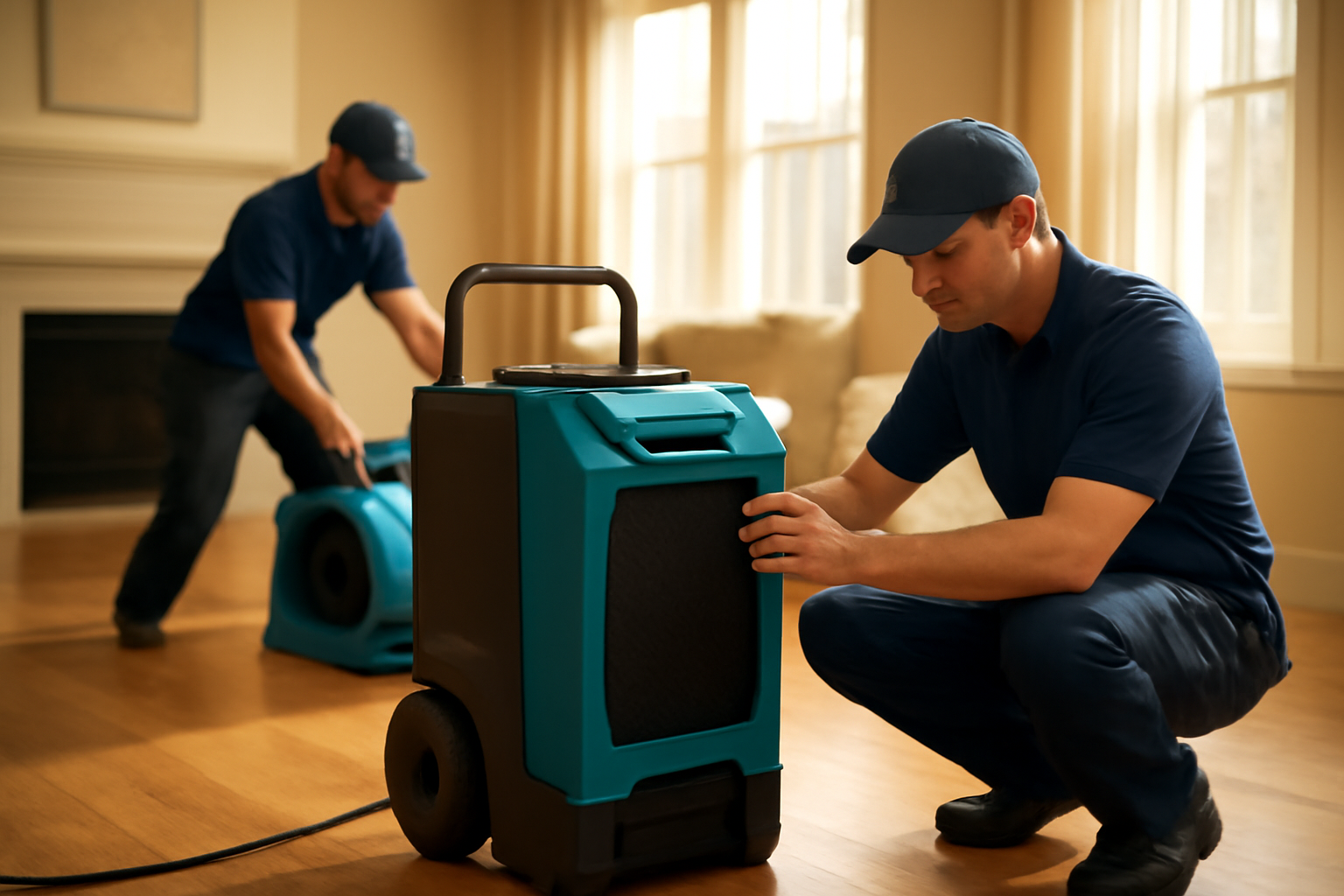
Restoration professionals use industrial-grade air movers, dehumidifiers, and specialized cleaning agents. They can safely remove contaminated materials and thoroughly dry affected areas. They also conduct microbial testing to ensure the environment is safe. This level of expertise is beyond what a homeowner can achieve. It’s about ensuring your home is truly safe again. This is a key related factor in successful restoration.
Common Sources of Blackwater Incursions
Understanding how blackwater enters your home can help you prevent future issues. Knowing the potential entry points is the first step. We found that several common culprits can lead to this dangerous situation. Addressing these issues can save you a lot of trouble down the line. It’s an important consideration for long-term home maintenance.
Sewer Backups: The Most Common Culprit
Sewer backups are the most frequent cause of blackwater contamination. Heavy rainfall, tree root intrusion, or blockages in the municipal sewer system can force sewage back into your home. This is often a sudden and overwhelming event. It’s a good idea to be aware of hidden plumbing leaks, as these can sometimes be indicators of larger sewer line issues.
Flooding from Contaminated Waterways
When rivers or lakes overflow, the floodwaters are often heavily contaminated with sewage and agricultural runoff. If this water enters your home, it brings blackwater hazards with it. This is especially common in low-lying areas or during severe weather events. It’s also related to issues like foundation cracks letting water into your home.
Failed Sump Pumps and Drainage Issues
In some cases, a failed sump pump or a compromised drainage system can allow contaminated groundwater to enter your basement. While not always direct sewage, this groundwater can pick up harmful bacteria and toxins. It’s a situation that requires careful assessment. We found that even minor drainage issues can escalate quickly.
Don’t Let Water Damage Linger
Water damage, especially from blackwater, can create a cascade of problems. Beyond the initial contamination, lingering moisture can lead to structural damage and mold growth. You might notice soft spots in floors and walls, which can indicate underlying moisture issues. Addressing the source of the water and thoroughly drying the affected areas is critical.
The Threat of Mold and Mildew
Mold can begin to grow in as little as 24-48 hours. Blackwater creates a perfect environment for mold to thrive. Mold spores can cause respiratory problems and allergic reactions. Thorough drying and professional cleaning are essential to prevent secondary mold contamination. This is why acting before it gets worse is so crucial.
Preventative Measures and Preparedness
While you can’t always prevent sewage backups or floods, some steps can help. Regular maintenance of your plumbing and sewer lines is key. Consider installing backwater valves. Ensuring your sump pump is in good working order is also vital. Understanding surprising causes of water damage can help you spot potential risks early.
Know Your Risks
Assess your home’s vulnerability. Are you in a flood-prone area? Do you have old plumbing? Knowing these factors helps you prepare. Having a plan in place for water emergencies can make a significant difference. It’s always better to be prepared than to be caught off guard. This includes knowing about potential issues like why your roof is the #1 source of water damage, though that’s typically clean water, it highlights how varied water damage can be.
Checklist for Water Damage Preparedness:
- Regularly inspect plumbing and sewer lines.
- Install and maintain backwater valves if recommended.
- Test your sump pump before rainy seasons.
- Know your home’s elevation relative to flood zones.
- Keep gutters and downspouts clear to manage rainwater.
- Have a plan for emergency water damage response.
Conclusion
Blackwater contamination is a serious and dangerous situation that poses significant health risks and can cause extensive property damage. Its potent mix of pathogens and toxins means that DIY cleanup is never an option. Professional restoration is essential for safely and effectively removing the contamination, drying affected areas, and preventing long-term problems like mold growth. If you suspect blackwater contamination in your home, it’s imperative to get expert advice today and schedule a professional inspection. At Eden Prairie Restoration Pros, we are equipped to handle the most severe water damage emergencies, ensuring your home is restored to a safe and healthy condition.
What are the immediate symptoms of blackwater exposure?
Immediate symptoms can include nausea, vomiting, diarrhea, fever, skin rashes, and respiratory irritation. If you experience any of these after potential exposure, seek medical attention promptly.
Can blackwater damage be cleaned up by a homeowner?
No, blackwater contamination is extremely hazardous. Homeowners should never attempt to clean it up themselves due to the severe health risks. Professional restoration services are required.
How quickly does mold grow after blackwater contamination?
Mold can begin to grow within 24 to 48 hours after water damage, especially in the warm, damp conditions created by blackwater. Prompt drying and remediation are critical.
What is the difference between blackwater and graywater?
Blackwater is sewage and highly contaminated with pathogens. Graywater comes from sources like sinks, showers, and washing machines and is less hazardous, though still requires careful handling.
How can I prevent sewer backups in my home?
Regular maintenance of your plumbing and sewer lines, avoiding flushing inappropriate items, and installing backwater valves can help prevent sewer backups. If you suspect related damage issues with your plumbing, it’s wise to investigate.