
Soft Spots In Floors And Walls Explained
Trusted by 155+ Homeowners
Soft spots in your floors and walls can be a sign of serious underlying water damage.
These spongy areas indicate moisture has compromised structural materials, requiring prompt attention to prevent further issues.
TL;DR:
- Soft spots in floors and walls signal water damage, often from leaks or high humidity.
- Common causes include plumbing leaks, roof damage, appliance malfunctions, and foundation issues.
- Ignoring soft spots can lead to mold growth, structural weakening, and costly repairs.
- Prompt professional assessment is key to identifying the source and extent of water damage.
- Restoration experts can dry out affected areas, repair damage, and prevent future problems.
Soft Spots in Floors and Walls Explained
Discovering a soft, spongy spot on your floor or a yielding section of your wall can be unsettling. These aren’t just minor cosmetic flaws; they are often clear indicators of a water damage problem that needs immediate attention. Understanding what causes these soft spots is the first step toward protecting your home.
What Exactly Are Soft Spots?
A soft spot is an area in your home’s structure that feels less firm than the surrounding material. On floors, it might feel like walking on a sponge or a damp carpet. On walls, it can manifest as a slightly yielding surface or even a visible bulge. These sensations suggest that the material beneath the surface – like drywall, subflooring, or insulation – has become saturated with water.
Why Do Soft Spots Appear?
Soft spots typically appear when moisture infiltrates building materials. This moisture can come from various sources, gradually weakening the material over time. If left unaddressed, the structural integrity of the affected area can be compromised. Sometimes, even one inch of standing water can be enough to start this process.
The Link to Moisture
Water is the primary culprit. When materials like wood or drywall get wet, they lose their rigidity. If they don’t dry out completely, they can become permanently softened and more susceptible to damage. This creates the spongy feeling you notice.
Common Causes of Soft Spots
Many things can lead to moisture buildup and subsequent soft spots. It’s important to pinpoint the source to effectively address the problem. Often, the cause might be something you wouldn’t immediately suspect.
Leaky Pipes and Plumbing Issues
One of the most frequent causes is a hidden leak within your plumbing system. Pipes running through walls, under floors, or in ceilings can develop cracks or loose connections. This slow, persistent dripping can saturate surrounding materials without an obvious puddle. Addressing hidden plumbing leaks is an important consideration for homeowners.
Roof and Exterior Water Intrusion
Your roof is your home’s first line of defense against the elements. If your roof has damage, such as missing shingles or damaged flashing, water can seep into your attic and eventually find its way down through ceilings and walls. Damage to siding or window seals can also allow water entry. For many, why your roof is the #1 source of water damage is a surprising revelation.
Appliance Malfunctions
Household appliances that use water can also be a source of leaks. Washing machines, dishwashers, refrigerators with ice makers, and even toilets can develop leaks. A small drip from an appliance hose or seal can go unnoticed for a long time. This is a relevant information source that many overlook.
Foundation Problems
Cracks in your home’s foundation can act like open doors for groundwater. If your basement or crawl space walls have compromised integrity, water can seep in, especially during heavy rains or snowmelt. This moisture can then travel upwards, affecting floors and lower wall sections. Understanding how foundation cracks let water into your home is key to preventing widespread damage.
High Humidity and Condensation
In some cases, excessive humidity within your home can lead to condensation on cooler surfaces. Bathrooms, kitchens, and poorly ventilated areas are prone to this. Over time, this constant moisture can degrade materials, leading to soft spots, particularly in ceilings or walls near these areas. This is a key related factor in older homes or those with inadequate ventilation.
The Dangers of Ignoring Soft Spots
It’s tempting to ignore a small soft spot, hoping it will just go away. However, this is rarely the case and can lead to much bigger problems down the line. The longer moisture is present, the more damage it can cause.
Mold and Mildew Growth
Moisture creates the perfect environment for mold and mildew to thrive. These fungi can grow unseen within walls and under floors. Mold not only further degrades building materials but also poses serious health risks to occupants, including respiratory problems and allergic reactions. This is a serious health risk that cannot be overlooked.
Structural Weakening
Materials like wood and drywall lose their strength when wet. Prolonged exposure to moisture can cause them to rot, warp, or crumble. This compromises the structural integrity of your floors and walls, potentially leading to sagging ceilings, collapsing walls, or unsafe flooring. You must act before it gets worse.
Pest Infestations
Damp, weakened materials can attract pests like termites and carpenter ants. These insects feed on wood, and moist, softened wood is particularly appealing. An infestation can cause extensive damage that is difficult and expensive to repair.
What to Do When You Find a Soft Spot
If you discover a soft spot in your home, the best course of action is to address it immediately. Don’t delay in seeking professional help. The sooner you identify the source of the moisture and begin the restoration process, the less damage you’ll have to deal with.
Inspection and Assessment
A thorough inspection is necessary to determine the extent of the water damage and its source. Professionals use specialized equipment to detect hidden moisture and assess compromised materials. This helps them create an effective repair plan.
Drying and Repair
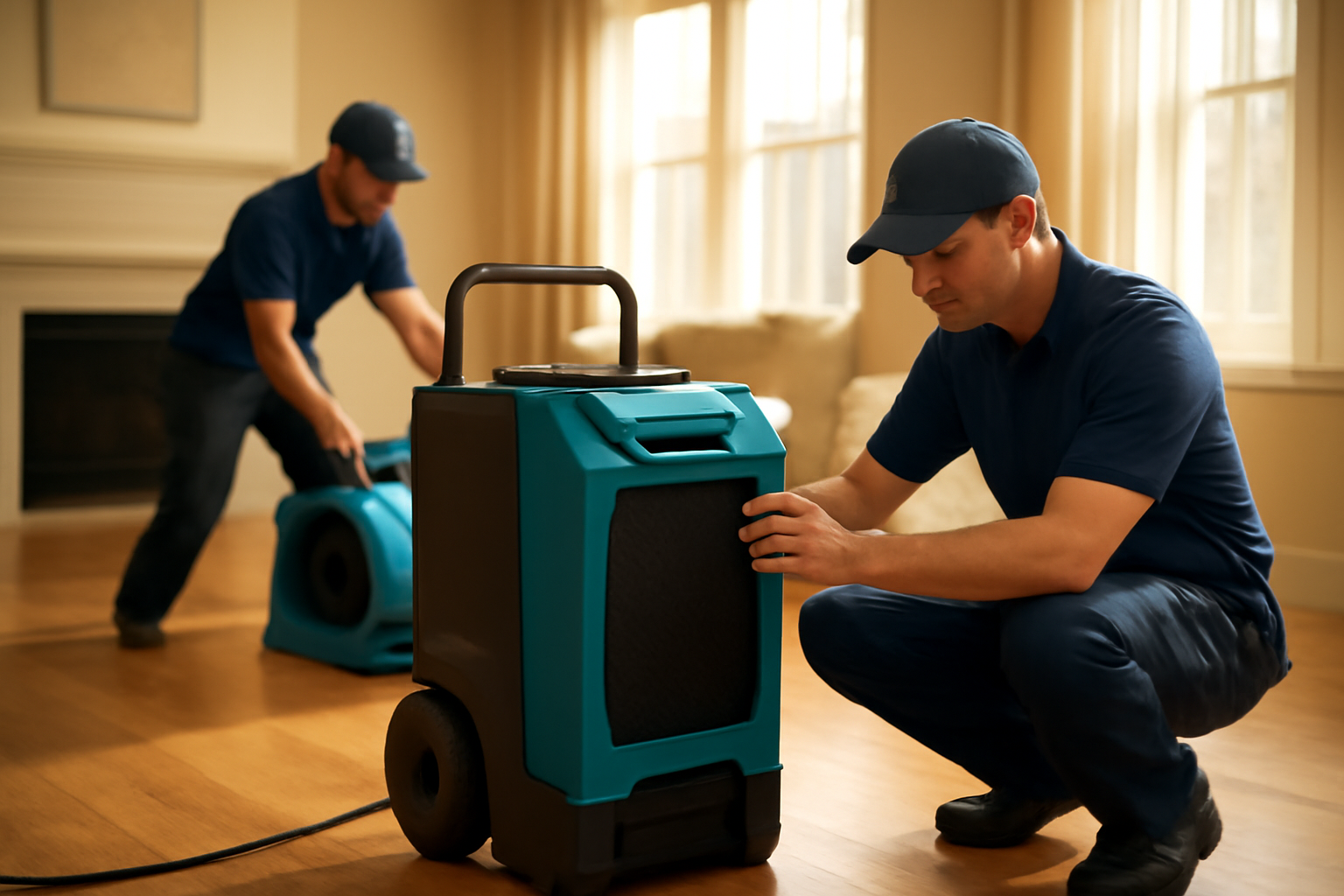
Once the source of the water is stopped, the affected areas need to be thoroughly dried. This may involve specialized drying equipment. After drying, damaged materials will need to be repaired or replaced to restore the structural integrity and appearance of your home.
Preventing Future Issues
After repairs are made, it’s important to take steps to prevent future water damage. This might involve improving ventilation, sealing exterior cracks, upgrading plumbing, or regular roof maintenance. Addressing the root cause is as important as fixing the damage itself.
A table showing common causes and their typical locations for soft spots:
| Cause | Typical Location(s) of Soft Spots |
|---|---|
| Leaky Pipes | Floors (especially near bathrooms/kitchens), Walls (near plumbing runs), Ceilings |
| Roof Leaks | Ceilings, Upper Walls |
| Appliance Leaks | Floors (near appliances), Walls behind appliances |
| Foundation Leaks | Basement Floors/Walls, Lower Wall Sections, Floors near foundation |
| High Humidity | Walls/Ceilings in bathrooms, kitchens, poorly ventilated rooms |
Checklist: When to Call a Professional
You should consider calling a professional restoration service if you notice any of the following:
- Soft spots that are growing or spreading.
- Visible mold or mildew growth.
- A persistent musty odor.
- Signs of structural sagging or weakness.
- The source of the water is unclear or difficult to access.
- You suspect extensive water damage beyond the visible area.
These signs indicate that the problem is likely more serious than a simple DIY fix. It’s time to call a professional right away.
Conclusion
Soft spots in your floors and walls are more than just an annoyance; they are warning signs of potential water damage that can compromise your home’s safety and health. By understanding the common causes and recognizing the dangers of inaction, you can take the necessary steps to protect your property. If you discover soft spots or suspect water damage, it’s crucial to seek expert assistance. For residents in the Eden Prairie area, Eden Prairie Restoration Pros offers reliable and experienced services to help you identify, address, and repair water damage, restoring peace of mind to your home.
What if the soft spot is very small?
Even small soft spots can be indicative of a larger issue. It’s best to have it inspected by a professional to rule out hidden moisture or developing mold. Addressing it early can prevent it from becoming a much bigger and more expensive problem.
Can I just cover up a soft spot?
Covering up a soft spot, for example, with a rug or by repainting, will not solve the underlying problem. The moisture will continue to degrade the materials, potentially leading to mold growth and structural damage. It’s essential to address the root cause of the moisture.
How long does it take for a soft spot to form?
The timeframe varies greatly depending on the cause and the amount of moisture. A major leak could cause a noticeable soft spot in days, while slow, persistent drips or high humidity might take weeks or months to create a detectable issue. Consistency of moisture is key.
Are soft spots a sign of a flood?
Soft spots can be a sign of a flood, but they are more commonly caused by smaller, persistent leaks or chronic moisture issues. It’s important to consider the context of recent weather events or appliance usage when evaluating a soft spot.
What materials are most likely to develop soft spots?
Materials like drywall, plaster, wood (especially subflooring and framing), insulation, and even some types of flooring like carpet and laminate are prone to developing soft spots when exposed to moisture. These materials absorb water and lose their structural integrity.